Theodore Roosevelt Island
Tucked away in the Potomac River, just a short distance from the monuments and memorials of Washington, D.C., Theodore Roosevelt Island offers a very different kind of presidential memorial. Rather than honoring Theodore Roosevelt with grand buildings or elaborate architecture, this 88-acre island preserves the kind of natural landscape that reflected his lifelong passion for conservation.
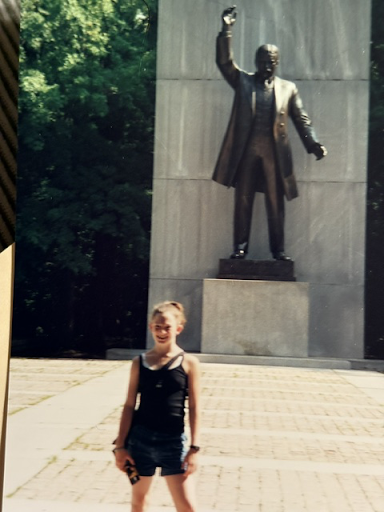
Following Theodore Roosevelt’s death in 1919, Americans sought a fitting memorial to honor the nation’s great conservation president. In 1932, Congress officially established Theodore Roosevelt Island as a national memorial through legislation signed by President Herbert Hoover. During the 1930s, the Civilian Conservation Corps, working under the guidance of renowned landscape architect Frederick Law Olmsted Jr., transformed what had once been farmland into the woodland sanctuary envisioned for Roosevelt. The memorial was completed on October 27, 1967, Theodore Roosevelt’s birthday, with the dedication of the impressive bronze statue and memorial plaza. Rather than constructing another monumental building, the designers chose to honor Roosevelt in the setting he loved most a living forest that reflects his lifelong commitment to conservation.
At the center of the island stands a seventeen-foot bronze statue of Theodore Roosevelt, surrounded by four massive granite monoliths engraved with quotations from his speeches and writings. Roosevelt is depicted in a confident, energetic pose, reminding visitors of the leadership and vision that characterized both his presidency and his commitment to preserving America’s natural resources.
Few presidents have left a greater environmental legacy. During his presidency from 1901 to 1909, Roosevelt established five national parks, created eighteen national monuments, founded fifty-one federal bird reservations, four national game preserves, and more than 150 national forests. In all, he protected more than 230 million acres of public land, earning his place as one of the fathers of the American conservation movement.
The island itself is part of that legacy. Miles of walking trails wind through forests, wetlands, and marshes, creating an environment much like the wilderness Roosevelt loved to explore. Visitors leave behind the busy streets of the nation’s capital and instead experience the quiet beauty of nature that Roosevelt believed every American should have the opportunity to enjoy.
More than a monument to a president, Theodore Roosevelt Island is a living reminder that conservation is one of America’s greatest legacies. Every visitor who walks its wooded trails continues the story of a man who believed that preserving our natural world was one of the nation’s highest responsibilities.
Read More From Nancy
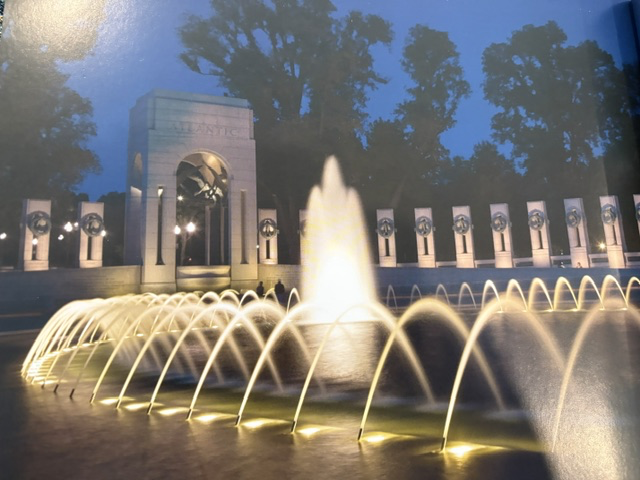
World War II Memorial
I visited the National World War II Memorial with Erin shortly after it opened in 2004. I had been looking forward to seeing it because World War II was the war that both my father and my father-in-law served in. For years, I had wondered why there were national memorials honoring the Vietnam and Korean […]
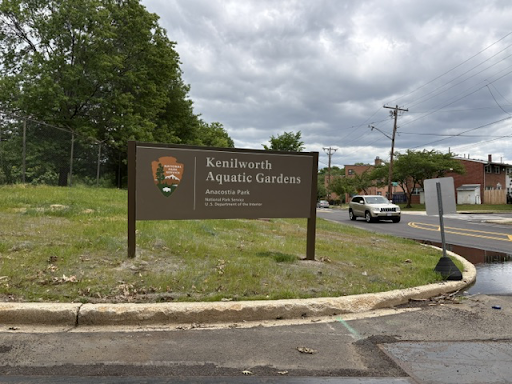
Kenilworth Aquatic Gardens
On our way to Virginia, we made a stop at Kenilworth Aquatic Gardens, one of the more unusual units of the National Park Service. Located along the Anacostia River in Washington, D.C., it is the only national park devoted to the cultivation and display of aquatic plants. During the summer, the ponds come alive with […]
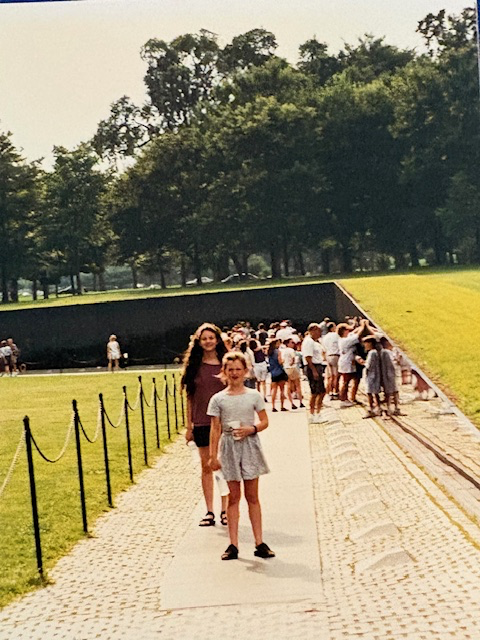
Vietnam Veterans Memorial
The monuments around Washington, D.C. are all designed with purpose, each capturing a person, a war, or an event worthy of being remembered in our nation’s capital. None is more captivating than the Vietnam Veterans Memorial. The memorial was authorized by Congress in 1980 and signed into law by President Jimmy Carter on July 1 […]

