Andrew Johnson National Historic Site
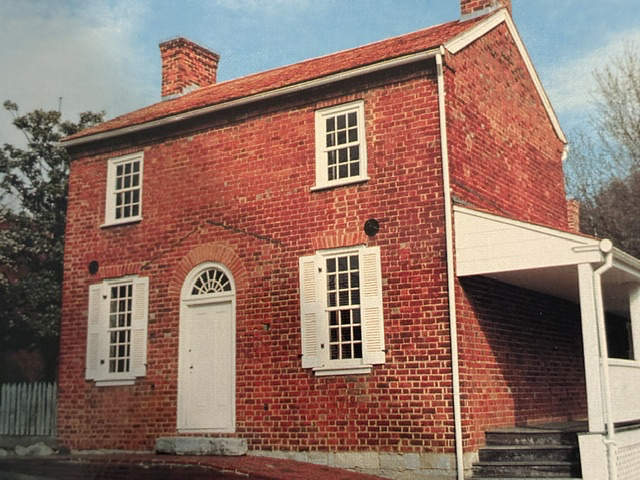
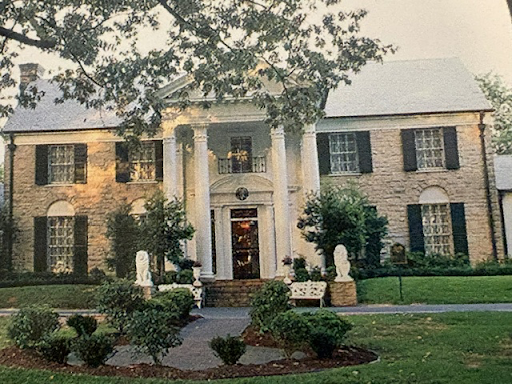
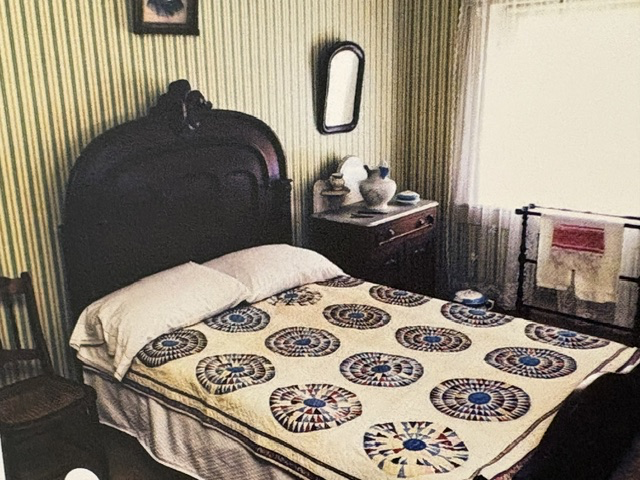
Another presidential site I explored through the National Park Service was the Andrew Johnson National Historic Site in Greeneville, Tennessee. During our visit, we toured both the tailor shop where Johnson learned his trade and the home where he and his family lived. The simple bedroom shown here offered a glimpse into the personal side of a man who rose from humble beginnings to occupy the nation’s highest office.
Andrew Johnson’s story is one of self-made success. Born into poverty and receiving little formal education, he apprenticed as a tailor and eventually established his own shop in Greeneville. Through determination and political ambition, he served as mayor, governor of Tennessee, U.S. congressman, senator, and military governor of Tennessee before becoming vice president under Abraham Lincoln. Following Lincoln’s assassination in April 1865, Johnson unexpectedly became the seventeenth President of the United States.
His presidency was dominated by the difficult years of Reconstruction after the Civil War. Although his policies and clashes with Congress made him one of the most controversial presidents in American history, his life remains an extraordinary example of social mobility in nineteenth-century America. Few presidents have risen from such modest circumstances.
Established as a National Historic Site in 1935 by President Franklin D. Roosevelt, the park preserves Johnson’s tailor shop, his homestead, and his final resting place overlooking Greeneville. Standing in the rooms where he lived and worked, I was reminded that the American presidency has often been shaped by men whose journeys began far from wealth and privilege. From a small tailor shop in eastern Tennessee, Andrew Johnson rose to the White House at one of the most challenging moments in our nation’s history.