Baltimore & Ohio Roundhouse
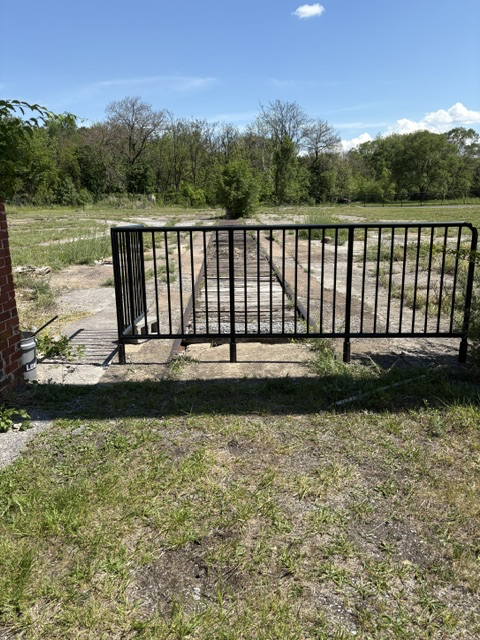
I had never heard of the Baltimore & Ohio Roundhouse until I started wandering through Martinsburg. It was one of those remarkable surprises that make exploring a town on foot so rewarding. Hidden away from the main streets, I came upon what turned out to be one of the most important railroad sites in the country.
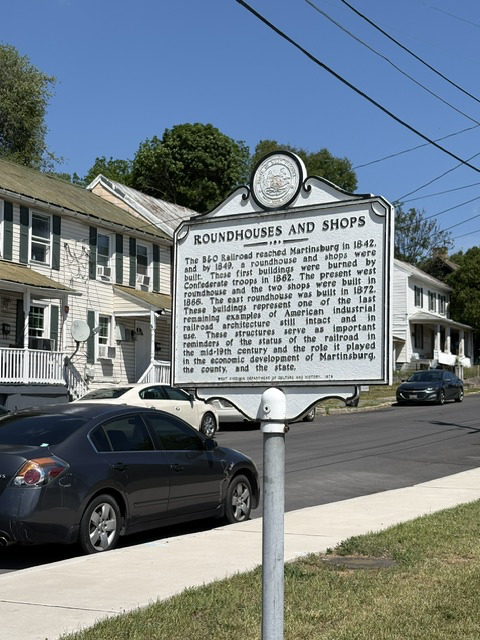
The historical marker explains that the B&O Railroad reached Martinsburg in 1842, and by 1849 roundhouses and repair shops had been established here. Although the original facilities were destroyed during the Civil War, they were rebuilt after the war, and the impressive brick roundhouse standing today dates from 1872. Together with the adjoining shops, it represents one of the last surviving examples of nineteenth-century railroad architecture in America.
What I did not realize at the time was that this site was not only important to railroad history, but also to labor history. In 1877, wage cuts imposed by the B&O Railroad sparked a walkout by workers in Martinsburg. Their protest spread across the nation and became known as the Great Railroad Strike of 1877, the first major nationwide labor uprising in American history. Events that began in this small West Virginia town eventually required federal troops to restore order and changed the relationship between labor, industry, and government.
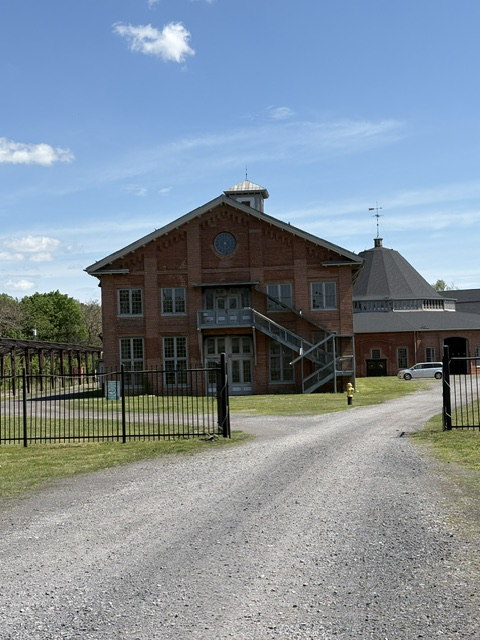
For generations, the railroad shaped the economy and identity of Martinsburg. Thousands of workers earned their living in these shops, and the city prospered because of its place on the B&O line. Today, the restored roundhouse stands as a reminder that some of America’s most important stories unfolded far from the great cities. Discovering this site unexpectedly while exploring my father’s hometown was one of the highlights of my visit and a reminder that history often reveals itself when we simply take the time to wander.
Read More From Nancy
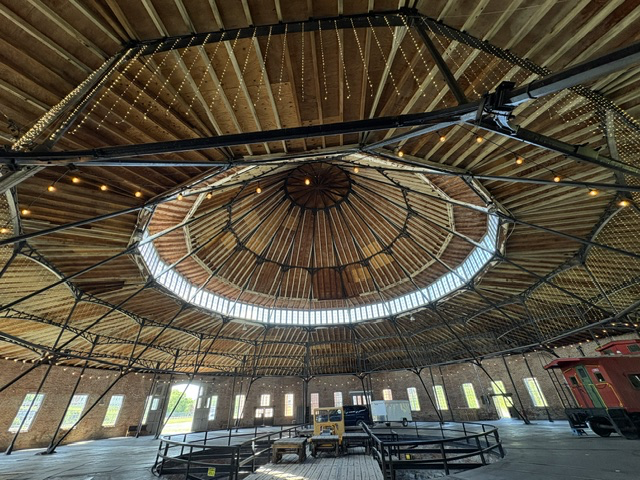
Cast-Iron Ceiling of B&O Roundhouse
What captivated me most about the Martinsburg Roundhouse was the extraordinary ceiling overhead. During the tour, I learned that the building is not just an old railroad structure, it is the only surviving cast-iron framed roundhouse in the world. Designed by engineer Albert Fink and rebuilt after the Civil War, the structure was revolutionary for its time. Unlike […]
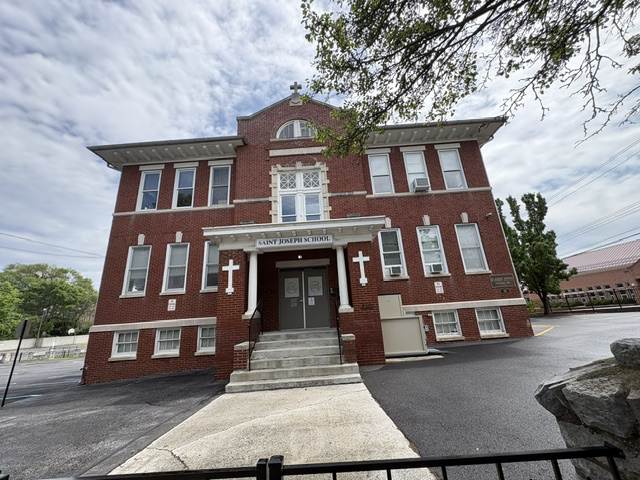
St. Joseph’s School
One of the places I most wanted to see in Martinsburg was St. Joseph School. Founded in 1885, the school has been educating children for nearly a century and a half and has long been an important part of the city’s Catholic community. Standing in front of this red brick building, I was reminded that this was my […]
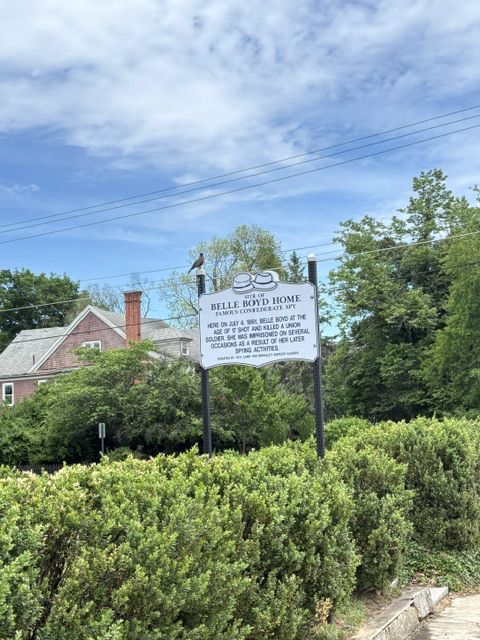
Belle Boyd Home
Walking the streets of Martinsburg, I wanted to capture as much as I could of the town that my father would have known during his childhood. One of the pleasures of exploring on foot was discovering that history seems to appear around every corner. Among the landmarks that caught my attention was the home associated with one of […]

