Roosevelt Campobello International Park
I have visited Roosevelt Campobello International Park several times during my travels through the Maritime Provinces. I enjoy exploring presidential homes and historic sites, and this one is especially meaningful because it reveals a side of Franklin Delano Roosevelt that few presidential sites can capture. Rather than focusing on the years of power and leadership, Campobello tells the story of Roosevelt as a son, husband, father and young man enjoying summers with his family.
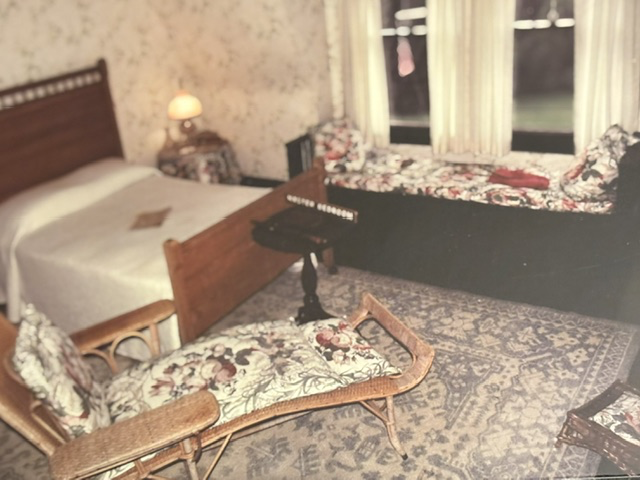
For decades, the Roosevelt family returned to the cottage on Campobello Island to escape the pressures of everyday life. Here they sailed the waters of Passamaquoddy Bay, hiked the shoreline, entertained guests and enjoyed the simple routines of summer living. The cottage was filled with family gatherings, laughter and the activities that defined life in a coastal vacation community.
It was here, during the summer of 1921, that Roosevelt’s life changed forever. While vacationing in Campobello, he became seriously ill with what was diagnosed as polio. Within days he lost the use of his legs. The disease ended the active, athletic lifestyle he had always enjoyed and forced him to confront challenges that would remain with him for the rest of his life.
Refusing to surrender to his physical limitations, Roosevelt spent years working to regain strength and independence. Although he would never walk unaided again, he returned to public life, became Governor of New York and eventually elected the thirty-second President of the United States.
As I walked through the cottage, I was reminded that before Roosevelt became president, he was a man enjoying summers with his family in a beautiful corner of New Brunswick. The furnishings, bedrooms, and gathering spaces tell a personal story. This is where he lived an ordinary family life.
Recognizing the importance of preserving this story, the governments of Canada and the United States worked together to create Roosevelt Campobello International Park in 1964, making it the only international park jointly administered by the two nations.
Campobello allows visitors to see Franklin Roosevelt not only as a president, but as a husband, father and determined individual whose greatest test began at this quiet summer retreat overlooking the waters of Passamaquoddy Bay.
Read More From Nancy
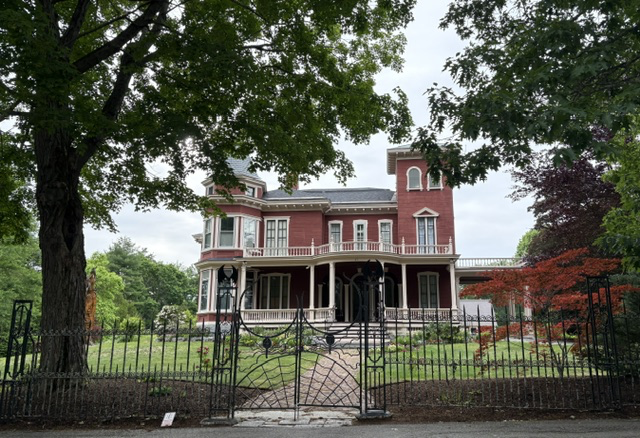
Stephen King’s House
Driving home through Maine after teaching a seminar in Halifax, we made a stop in Bangor to see the home of one of America’s most prolific authors, Stephen King. The house has become a destination because of its distinctive Victorian architecture and the famous wrought-iron gates decorated with spiders, bats, and other gothic designs that […]
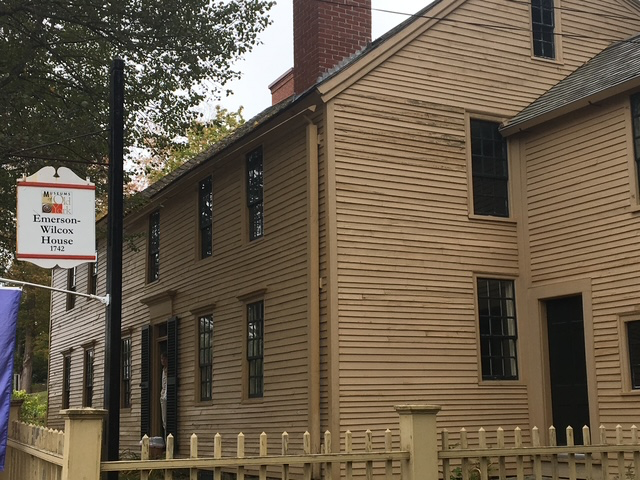
Emerson-Wilcox House
In the historic village of York stands one of the quiet survivors of early New England life: The Emerson-Wilcox House, a structure whose story stretched back nearly three centuries. Built between 1735 and 1742, the house began as a center-chimney colonial dwelling. The early form revolved around a massive central fireplace, the heart of the home […]
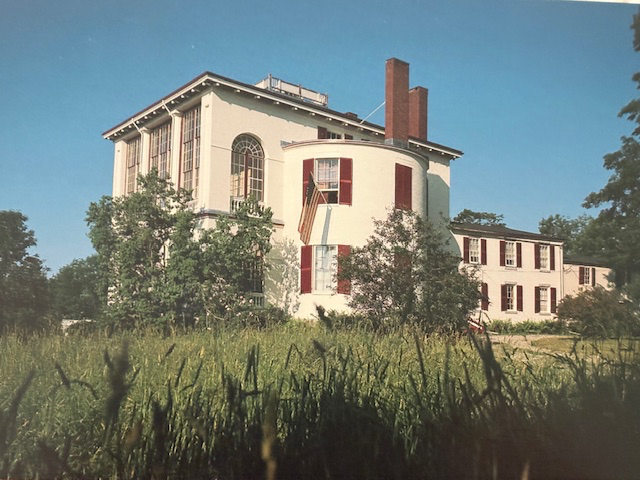
Tucker Castle
As a member of Historic New England, I set a goal to visit all of their properties. One of those visits led me to the beautiful town of Wiscasset Maine and Castle Tucker. I wasn’t entirely sure how this particular property was chosen to be preserved. It does not stand out for a single defining event […]

