Rosewood Cottage
Rosewood Cottage in Woodstock, Connecticut, is one of those hidden historic treasures that feels almost transported from another world. Built in 1848 by textile manufacturer Henry C. Bowen, the cottage became famous for its Gothic Revival architecture, elaborate gardens and as a gathering place for many of the leading political and literary figures of the nineteenth century. The pink exterior decorative trim, and carefully designed landscape made it one of the most distinctive summer estates in New England.
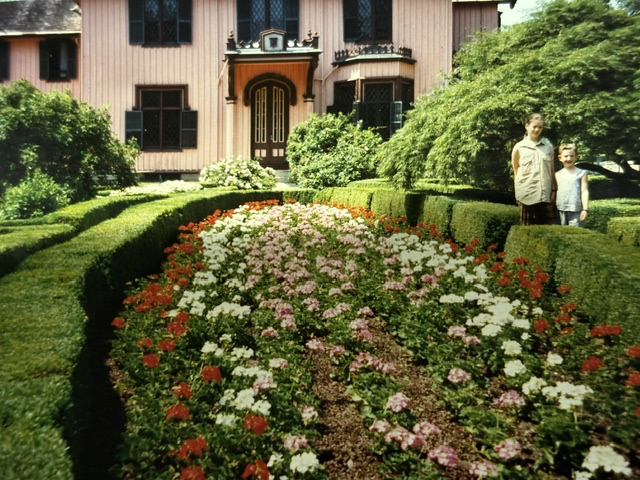
Today known as Roseland Cottage, the home is preserved by Historic New England, an organization dedicated to protecting historic homes and landscapes throughout the region. The estate was designated a National Historic Landmark because of both its architecture and its remarkably preserved grounds. Walking through the formal partners gardens gives visitors a sense of the elegance and leisure associated with wealthy summer estates during the Victorian era.
Henry Bowen was not only a successful businessman but also a prominent abolitionist and publisher. Roseland Cottage became a social center where nationally known guests visited including several U.S. presidents. Most notably, President Ulysses S. Grant was a frequent visitor and spent time here after the Civil War. The elaborate Fourth of July celebrations hosted on the ground became famous across New England, drawing crowds, political leaders, fireworks and public speeches.
The July Fourth gatherings were not simple garden parties. Bosen used them as opportunities to support causes he believed in, especially abolition and national unity after the Civil War. Thousands of people would arrive by carriage and train to hear speeches from politicians, reformers and military leaders.
Rosewood Cottage is the combination of architecture and landscape. The geometric hedges, vibrant flower beds and winding pathways are carefully designed to frame the house and gardens as works of art themselves.
Roseland Cottage reflects an important part of New England’s cultural story: the rise of industry, the wealth it created, the reform movements of the nineteenth century and the growing effort to preserve these extraordinary places.
Read More From Nancy
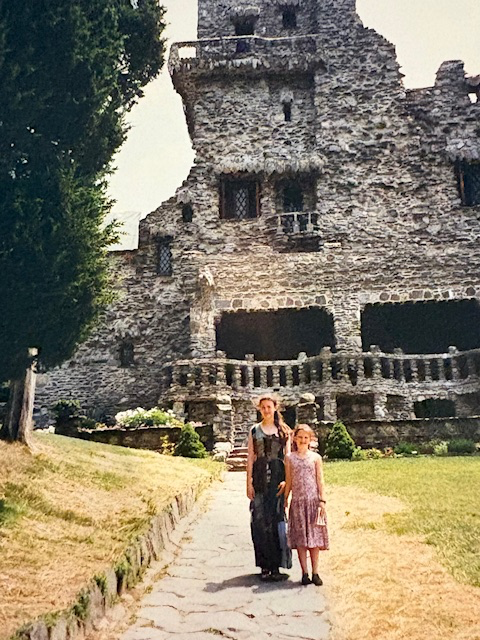
Gillette Castle
While homeschooling, we would take numerous road trips to explore historic and natural sites. It was important to us that our children know the area they were growing up in and understand the stories connected to it. Connecticut was just a short drive from our home, so many of our day trips took us there to […]
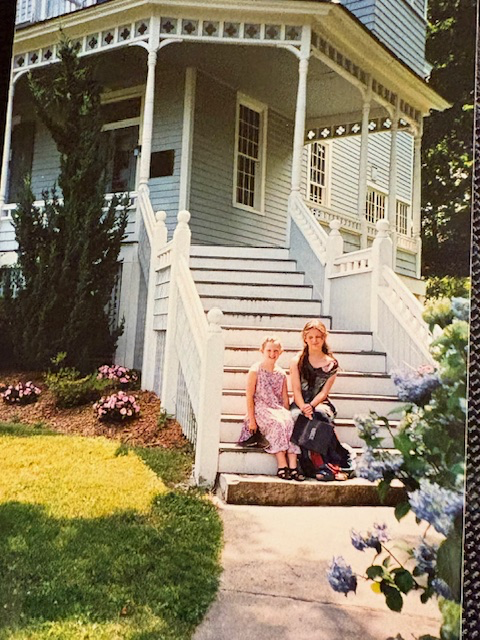
Eugene O’Neill’s Monte Cristo Cottage
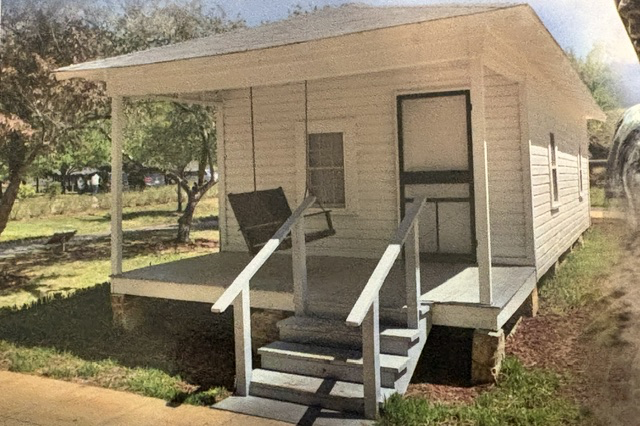
Connecticut is not too far for a good road trip and on this day, it brought us to Eugene O’Neill’s home in New London. This house, known as the Monte Cristo Cottage, was the family’s summer home, and decades later it became immortalized as the setting for “Long Day’s Journey into Night”. This is one of […]
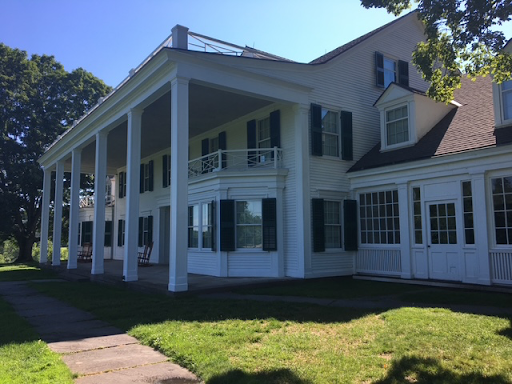
Hill-Stead Museum
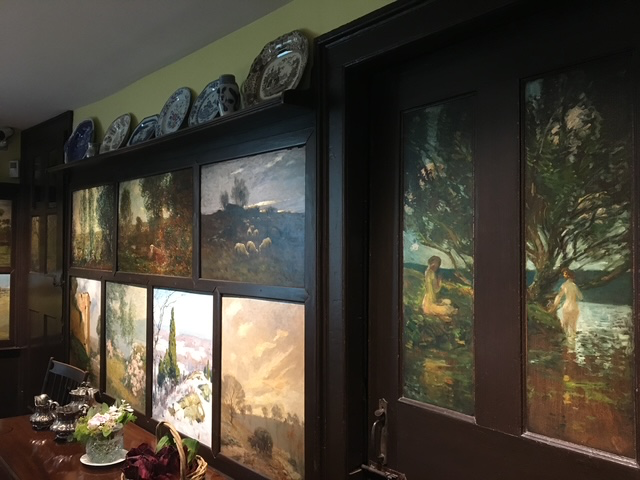
On a day trip to Connecticut, we stopped to tour a remarkable home set quietly back on the rolling lawns in Farmington. We walked past the white facade with black shutters into the rooms covered with early impressionist paintings. These works once challenged convention and helped shape the future of art. Hill-stead was completed in 1901 […]

