Molly Brown Museum
Landing in Denver with a few extra hours before our next destination, we decided to visit the Molly Brown House Museum. Nestled among the city streets, the beautifully restored Victorian home immediately stands out with its sandstone walls, steep gables and ornate woodwork. It feels like stepping back into another era of American history.
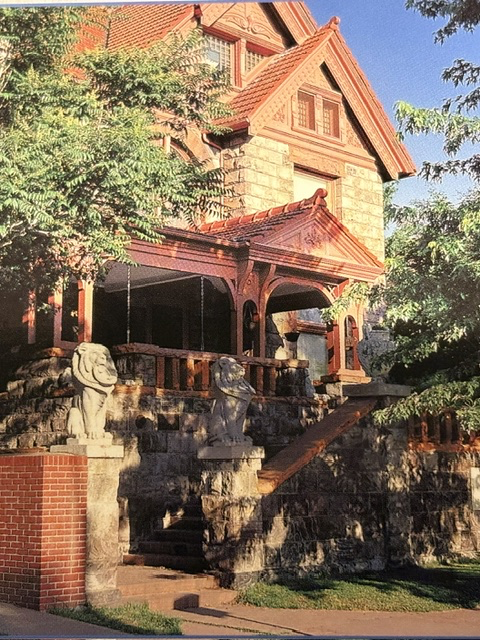
Most people recognize Margaret “Molly” Brown because of her survival of the RMS Titanic sinking, but visiting her home reveals a far more remarkable and complex woman than the popular legend often suggests. Brown was not born into wealth. She came from a modest background and later moved west with her husband during Colorado’s mining boom years. Through opportunity and determination, the family became successful, allowing them to build this impressive Denver home in the late nineteenth century.
The Titanic tragedy in 1912 made her internationally famous. After surviving the sinking, Molly Brown became known for helping organize and support the other survivors aboard the rescue ship Carpathia. Stories of her courage, leadership, and refusal to remain passive during the disaster eventually earned her the nickname “The Unsinkable Molly Brown.”
Molly’s life extended far beyond the Titanic story. The museum highlights her involvement in women’s rights, education, labor reform and philanthropy. She was outspoken and politically engaged. The exhibits throughout the home show how she used her social position to advocate for causes she believed in.
Molly Brown even ran for the United States Senate in 1914, years before many American women had the right to vote nationally. That fact alone says so much about her determination and willingness to challenge the expectations placed on women during her era.
Walking through the restored rooms with their personal furnishings, stained glass, carved woodwork, gives visitors a glimpse into Denver during the height of its mining-era prosperity. Visiting this house gave us a fascinating look into one of the most recognizable women connected to one of history’s most famous disasters.
Read More From Nancy
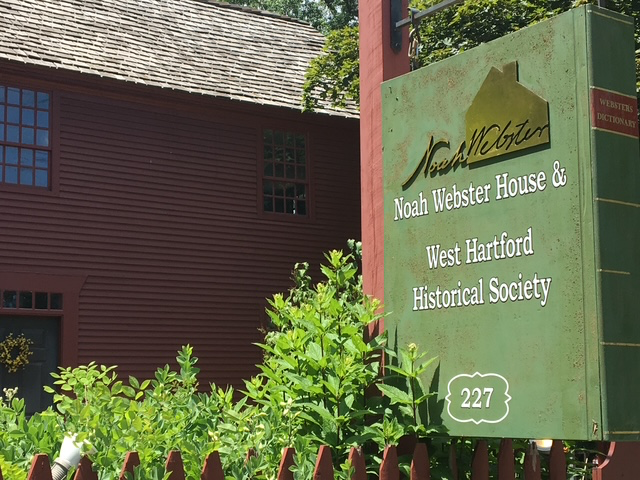
Noah Webster House
When I visited the Noah Webster House in West Hartford, CT, I stepped back into a Connecticut farmhouse built in the mid-1700s. Noah Webster was born in 1758, the son of a farmer and deacon who believed in education. At just 16, Noah left this home to attend Yale College, one of the finest in […]
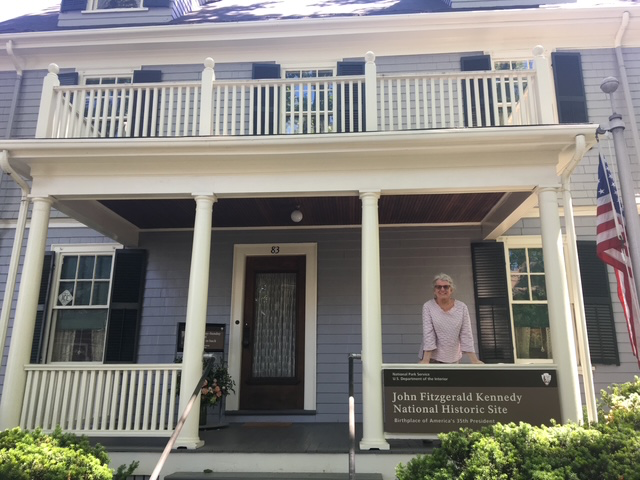
John F. Kennedy’s Birthplace
The John Fitzgerald Kennedy National Historic Site in Brookline, Massachusetts offers the opportunity to step into the earliest chapters of that life that would shape world history. Touring this modest home, you are greeted by the recorded voice of Rose Kennedy. She calmly recounts the rhythms and rituals of family life. Through her reflections, the house […]
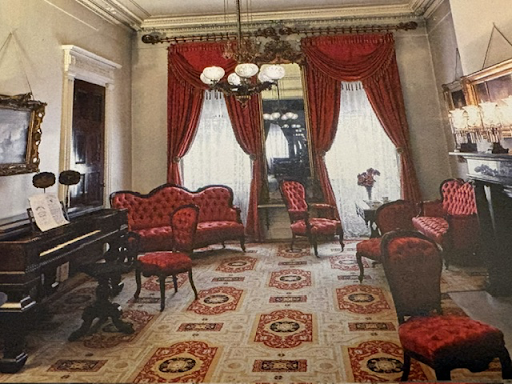
Merchant House
The Merchant House in New York City is a remarkable home that has survived almost completely intact from the nineteenth century. Built in 1832 and later owned by the wealthy Tredwell family, the house preserves not only the architecture of the period, but also the original furnishings, and atmosphere of an upper-middle-class Manhattan home from […]

