Kingscote
Kingscote in Newport, Rhode Island, is one of the earliest and most distinctive summer cottages built during Newport’s transformation into America’s premier Gilded Age resort community. Constructed in 1839 for southern planter and merchant George Noble Jones, the house introduced the romantic Gothic Revival style to Newport and helped set the stage for the grand architectural era that would later define the city.
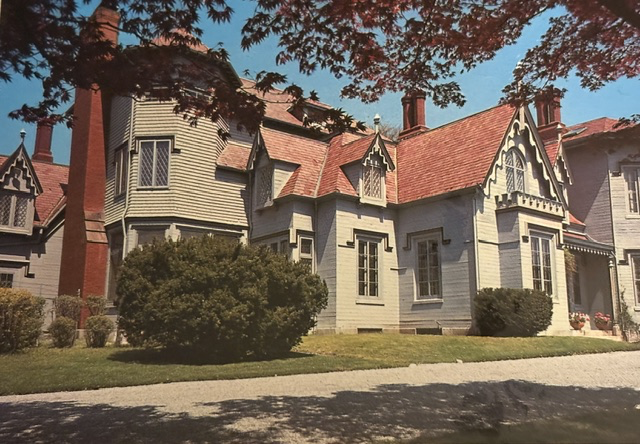
Unlike the enormous marble mansions that later lined Bellevue Avenue, Kingscote feels more intimate and imaginative. Its steep gables, pointed windows, decorative trim and asymmetrical design were inspired by the picturesque ideals popular during the nineteenth century. The warm colors and varied rooflines give it a charm very different from the formal grandeur of Newport’s later estates.
Kingscote was originally built as a modest summer retreat and then expanded and modernized through several generations of owners. In the 1880s famed architect Stanford White redesigned portions of the interior. This house is also well known for its decorative arts and interior design. Kingscote is admired for its craftsmanship, artistic details, and the way the interiors evolved across generations.
The house contains important examples of American and European decorative arts, including furniture, textiles, ceramics and stained glass. One of its most celebrated features is the large stained glass dining room panel created by Louis Comfort Tiffany. Installed in 1883, the window depicts a lush woodland scene and is considered one of Tiffany earliest and finest domestic commissions. While later mansions competed through sheer size and extravagance Kingscote retained a quieter elegance that many visitors find more approachable and personal.
Kingscote is a bridge between Newport’s earlier mercantile history and the opulent Gilded Age that followed. The house invites you into a more romantic vision of nineteenth-century America, where architecture, gardens and coastal scenery were designed to create beauty.
Read More
Read More From Nancy
Hammersmith
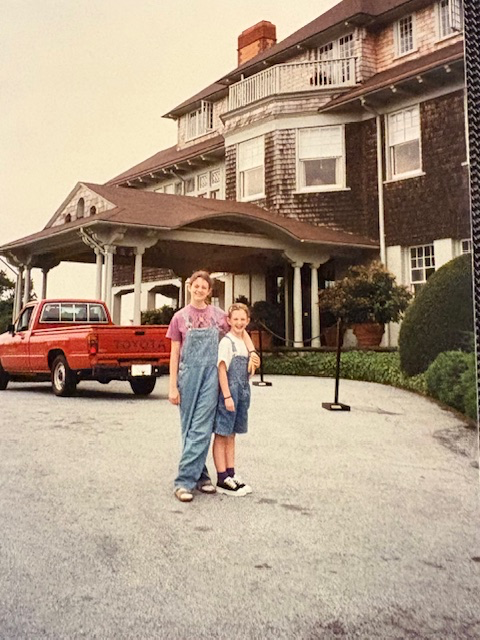
In the 1990s, Hammersmith Farm in Newport opened for tours, and we made the trip to see it. The estate is best known as the childhood summer home of Jacqueline Kennedy Onassis and as the site of the wedding reception following her marriage to John F. Kennedy in 1953. After the ceremony of St. Mary’s […]
Beechwood
One of the highlights of visiting New York Harbor was taking the ferry to Governors Island. Although millions of people admire the Statue of Liberty and Ellis Island, far fewer make the short boat ride to this remarkable island. As the skyline of Manhattan faded behind us, it became easy to appreciate why Governors Island […]
Gilbert Stuart Birthplace
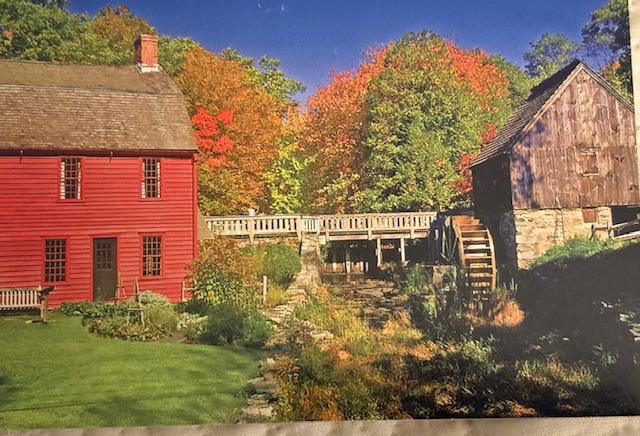
Gilbert Stuart went on to fame as the portrait artist of Geroge Washington, the very image that appears on every dollar bill. Our first visit to this site was during my homeschooling days. Visiting historic houses was a part of our homeschooling adventures, and I would purposely seek out places like this, homes where history felt real […]

