Astronomical Clock
Standing before the Prague Astronomical Clock feels like stepping into the medieval world. Surrounded by the stone buildings and narrow streets of Prague, the clock is a masterpiece of engineering, astronomy, art, religion and storytelling that has fascinated visitors for over six centuries.
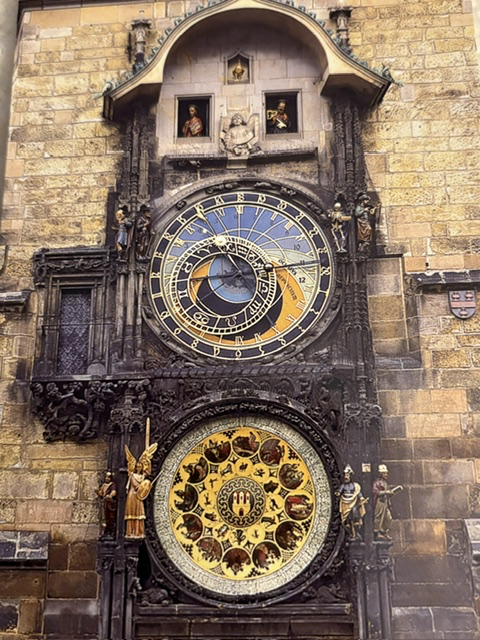
Installed in 1410, the Prague Astronomical Clock, often called the Orloj, is considered the third-oldest astronomical clock in the world and the oldest one still operating. Medieval clockmakers combined astronomy, mathematics, mechanics, and artistry into a single functioning work of public art.
What makes this clock incredible is the amount of information contained within it. The upper astronomical dial tracks the movement of the sun and moon, showing different systems of time as well as zodiac positions and celestial movements. The lower calendar dial represents the months of the year along with symbols connected to medieval life and the city itself.
Every hour, crowds gather below to watch the famous “Procession of the Apostles”. Small windows open above the clock as figures of the apostles appear one by one while symbolic statues surrounding the clock come alive. Standing in Old Town Square in Prague, we are surrounded by Gothic towers, churches and centuries old architecture and connected to the generations of people who have stood in this same spot watching the clock through wars, political upheaval, occupations and celebrations.
The clock survived tremendous destruction during the Prague Uprising near the end of World War II, when parts of the Old Town Hall were heavily damaged by fire. The clock itself had to undergo major restoration, making its continued operation today even more remarkable.
The Astronomical Clock is a living connection to medieval science, art, faith, legend and the enduring spirit of a city that has preserved its history across centuries.
Read More From Nancy
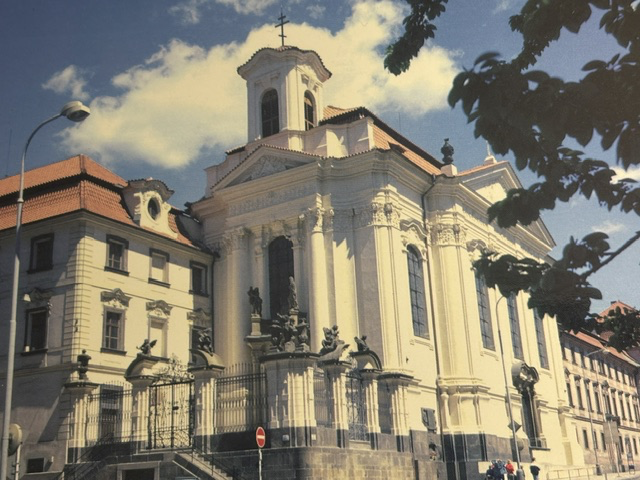
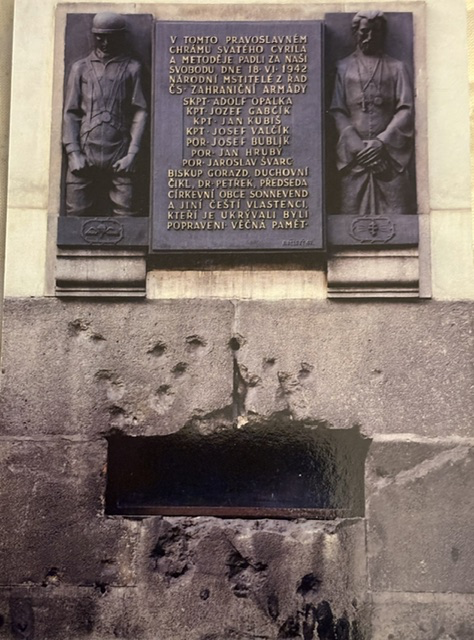
Cathedral of Saints Cyril and Methodius
While exploring Prague, we visited the Cathedral of Saints Cyril and Methodius, one of the city’s most beautiful churches and one of the most significant historic sites. Located in Prague’s New Town, the cathedral’s Baroque architecture captures attention, but it is the story connected to this building that leaves the deepest impression. Built during the eighteenth century, the […]
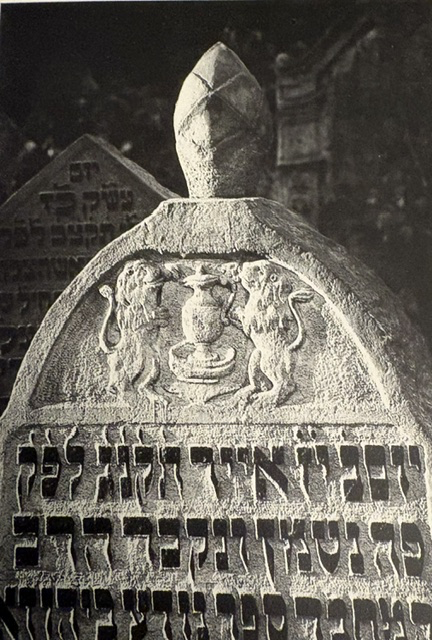
The Tomb of Rabbi Yechezkel Landau
While in Prague, we took a guided tour of the city’s Jewish Quarter, which included a visit to the remarkable Old Jewish Cemetery. Established in the early fifteenth century and used until 1787, it is one of the oldest surviving Jewish cemeteries in Europe. Because Jews were forbidden to expand the cemetery beyond its limited […]
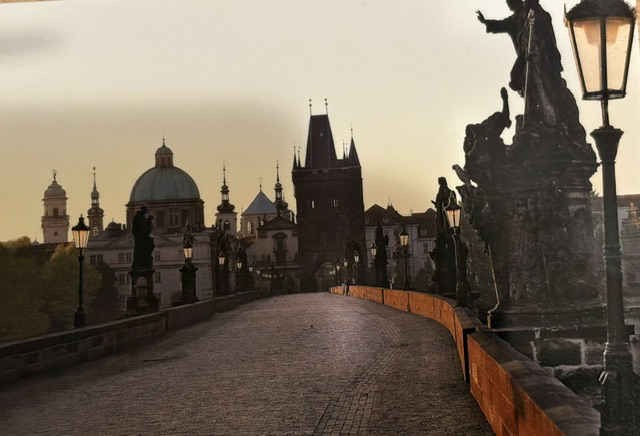
Charles Bridge and Old Town Bridge Tower
Few places in Europe are as magical as Charles Bridge in Prague. Stretching across the Vltava River and lined with statues of saints, the bridge has connected the Old Town and the Lesser Town for more than six centuries. Early one morning, before the crowds arrived, I was able to capture this view looking toward the magnificent Old […]

