Cathedral of Saints Cyril and Methodius
While exploring Prague, we visited the Cathedral of Saints Cyril and Methodius, one of the city’s most beautiful churches and one of the most significant historic sites. Located in Prague’s New Town, the cathedral’s Baroque architecture captures attention, but it is the story connected to this building that leaves the deepest impression.
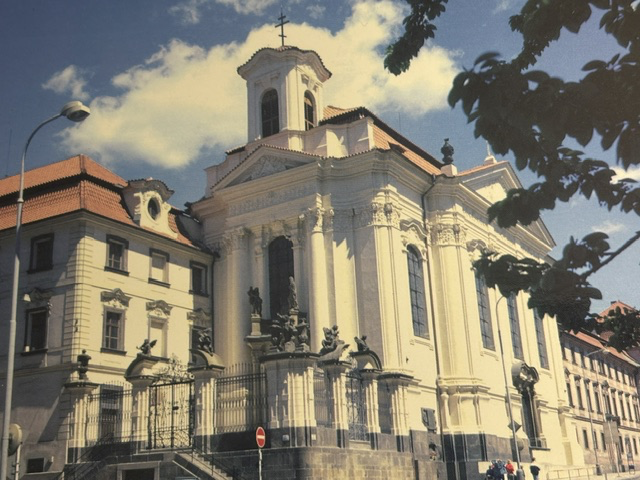
Built during the eighteenth century, the cathedral serves as the principal Orthodox church in the Czech Republic. This church is remembered not only as a place of worship but also as a symbol of courage and sacrifice during World II.
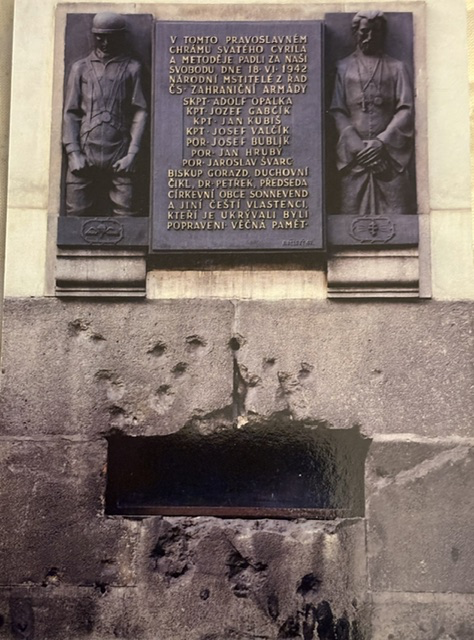
In 1942, following the assassination of Nazi official Reinhard Heydrich, several members of the Czech and Slovak resistance sought refuge within the cathedral. Hidden in the crypt beneath the church, they were eventually discovered after a betrayal. On June 18, 1942, German forces surrounded the building and launched an assault involving hundreds of troops. After hours of fierce fighting, the resistance fighters chose to die rather than surrender.
Their stand became one of the defining moments of Czech resistance during the war. We visited the crypt where the final battle took place and saw the exhibits that tell the story of Operation Anthropoid and the men who carried it out. Standing in the same space where these events unfolded created a powerful connection to history and profound appreciation for the courage of those who resisted the Nazi’s occupation in Czechoslovakia during World War II.
Like many of the places we visit, this stop offered far more than architecture or historical facts. Here was an opportunity to reflect on the sacrifices made by ordinary people during extraordinary times. The Cathedral of Saints Cyril and Methodius stand as both a place of worship and a memorial reminding visitors the struggle for freedom often comes at a tremendous cost.
The Czechs remember the men who fought and died in the cathedral not simply because they carried out an assassination, but because they represent the determination of a small occupied nation to resist tyranny. Their stand in the crypt transformed the cathedral into one of the most important symbols of courage, sacrifice and national independence in Czech history.
Read More From Nancy
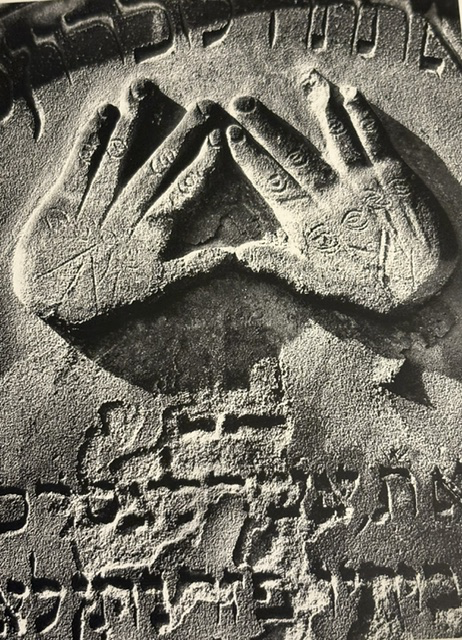
The Blessing Hands
While touring the historic Jewish Cemetery in Prague, one of the symbols we learned to recognize was this carving of two hands. At first glance it appears to be a simple decorative image, but it is actually one of the oldest and most meaningful symbols found in Jewish cemeteries. The carving identifies the deceased as […]
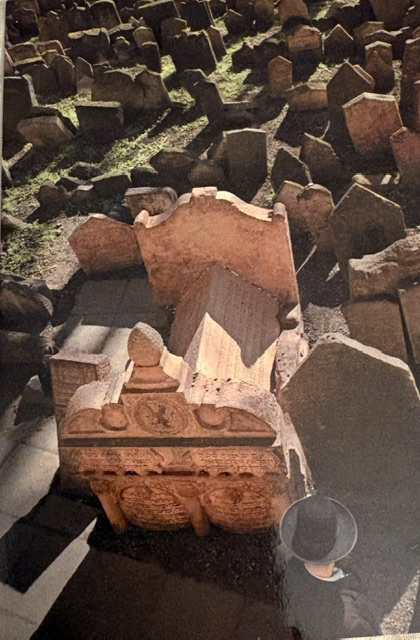
Tomb of Rabii Loew
Walking through the Old Jewish Cemetery in Prague is an extraordinary experience. The gravestones seem almost to overlap one another, leaning at different angles and filling nearly every available space. Among them is this particularly elaborate tomb belonging to one of the most important figures in the history of Prague’s Jewish community—Rabbi Judah Loew ben […]
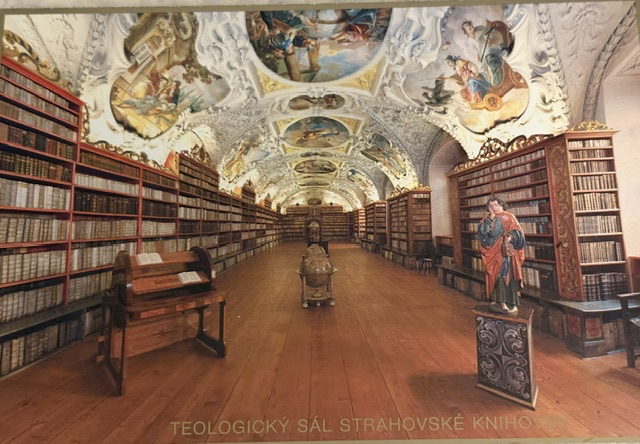
Strahov Library
During our time in Prague, Marty and I hired a guide to take us around the city and introduce us to some of its treasures. One of these places was a visit to the Strahov Monastery. Founded in 1143 and perched on a hill overlooking Prague, the monastery has served as a center of faith, scholarship and learning for […]

