Pipe Spring National Monument
In the dry desert landscape of northern Arizona, Pipe Spring National Monument preserves a precious resource in the American Southwest, water. The national springs flowing here made life possible in a harsh environment where dependable water sources were often separated by vast distances.
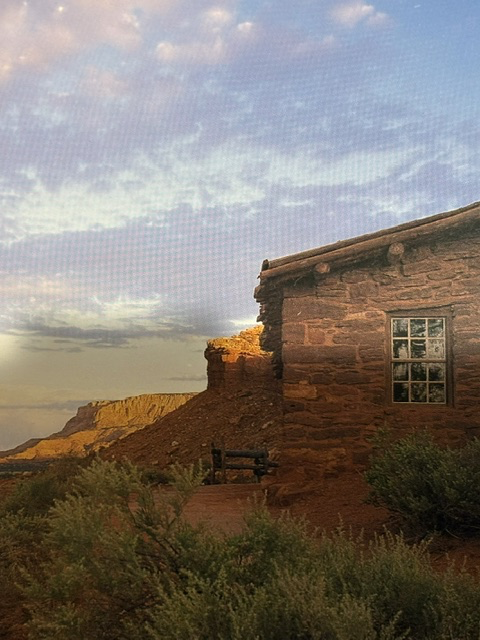
Located close to the Arizona-Utah border, Pipe Spring became an important stopping place for Native peoples, travelers, ranchers and Mormon settlers moving through the region. The springs supported both human settlement and livestock, making this isolated oasis strategically valuable for generations.
This stone fort-like building was constructed in the 1870s by Mormon pioneers under the direction of the Church of Jesus Christ of Latter-day Saints. Built from local sandstone, the structure served as the ranch headquarters, fortified refuge, storage site and daily residence.
Long before the Mormon settlement, the springs were important to the Kaibab Paiute people who lived in the region and depended on these waters for survival. Their connection to the land and springs reaches back centuries before European American arrival. Today, Pipe Spring tells the story of pioneer settlement and the continuing cultural importance of the area to the Kaibab Paiute Tribe.
Recognizing both its historical importance and the significance of the spring, Pipe Spring National Monument was established in 1923 by President Warren G. Harding. Today the monument preserves the intertwined stories of water, Native cultures, frontier settlement, ranching and survival in one of the most challenging landscapes of the American Southwest.
Read More From Nancy
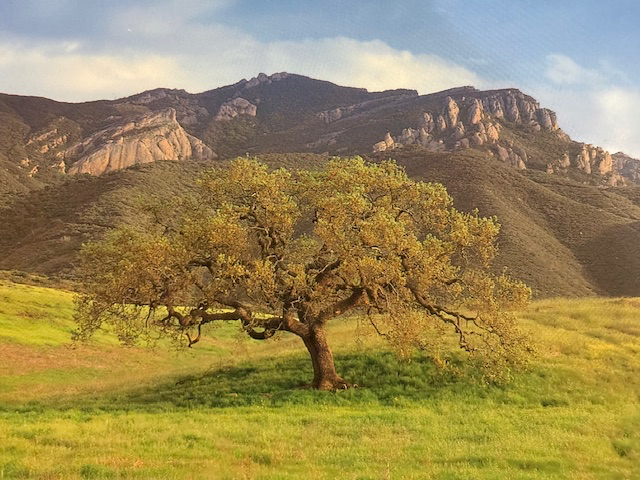
Santa Monica Mountains National Recreation Area
Santa Monica Mountains National Recreation Area is in California, close to one of the largest cities in the country. The landscape is of rolling hills, rugged mountains and open meadows dotted with coast live oaks. It feels remote, and yet just beyond these hills lies Los Angeles. Long before it became protected land, this land was […]
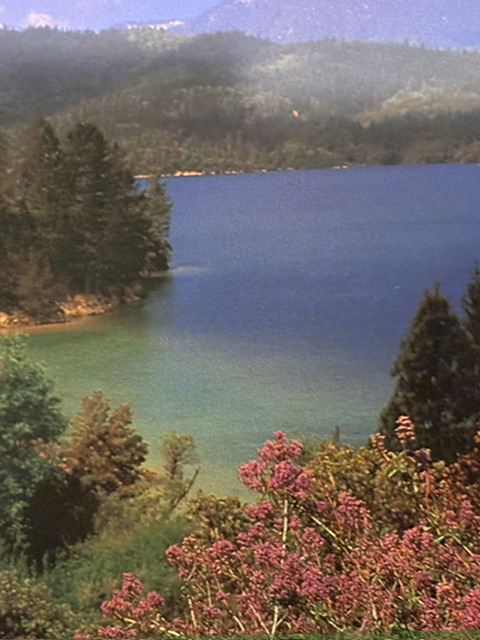
Whiskeytown National Recreation Area
The deep blue waters and forested mountains of Whiskeytown National Recreation Area create a peaceful landscape in northern California. Located near Redding, the park blends mountain scenery, clear lakes and remnants of California’s Gold Rush history into one setting. At the center of the park is Whiskeytown Lake, a reservoir created in the 1960s as part of the […]
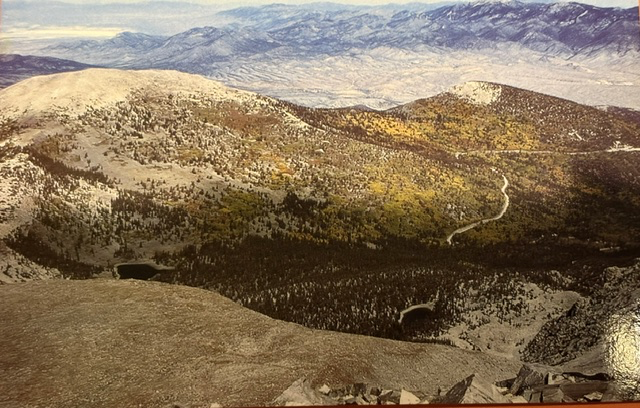
Great Basin National Park
Driving to Great Basin National Park felt like chasing something that kept moving farther away the closer we got. This is one of the most remote National Parks in the lower 48 states, tucked into the isolated desert and mountain ranges of eastern Nevada. I remember the endless highways stretching across the Nevada desert, mile after mile […]

