Lewis and Clark National Historical Park
A few hours before we flew home from teaching in Oregon, we took a road trip to Fort Clatsop, part of the Lewis and Clark National Historical Park. What began as a simple side trip became one of those memorable moments where history suddenly feels very real. Standing at the place where the Lewis and Clark Expedition spent the winter of 1805-1806, it was easy to imagine the isolation, uncertainly, and determination that marked this final western stop of their journey to the Pacific
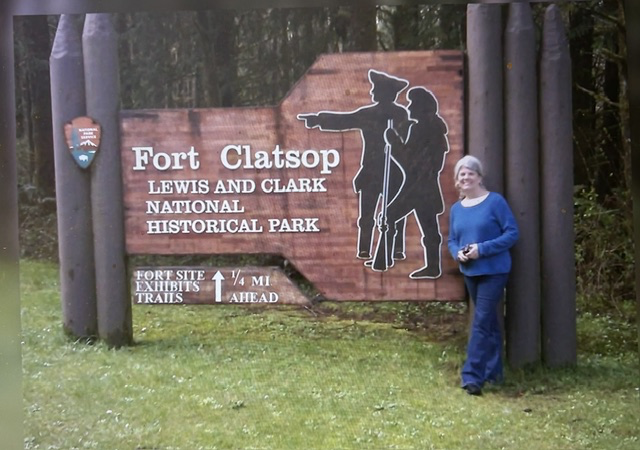
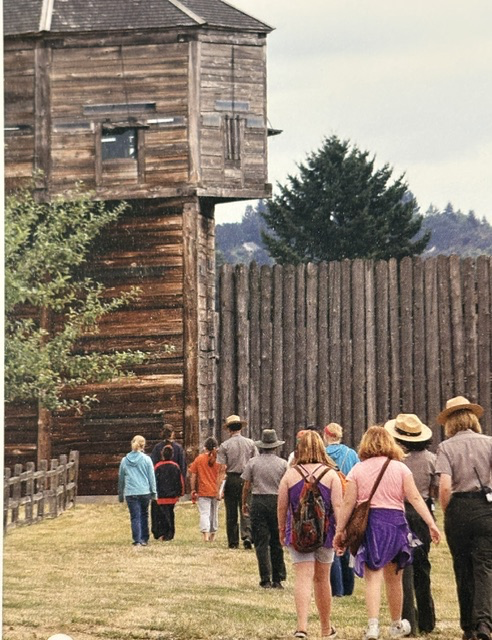
The reconstructed fort sits quietly among the tall trees and damp coastal air. Here, the Corps of Discovery endured months of relentless rain, limited supplies, illness and homesickness while preparing for the long journey back east. It was here that they completed one of the most remarkable explorations in American history.
Fort Clatsop first became part of the National Park System in 1958 when it was established as Fort Clatsop National Memorial by President Dwight D. Eisenhower. Decades later, in 2004, President George W. Bush signed legislation expanding the site into Lewis and Clark National Historical Park, connecting multiple locations in both Oregon and Washington tied to the expedition’s journey and legacy.
Visiting this place was a reminder of how powerful these preserved landscapes can be. The quiet forest setting and the knowledge of what occurred here, gave depth to this experience. It allowed me to stand where history unfolded and feel, even briefly, connected to the people who lived it.
Read More From Nancy
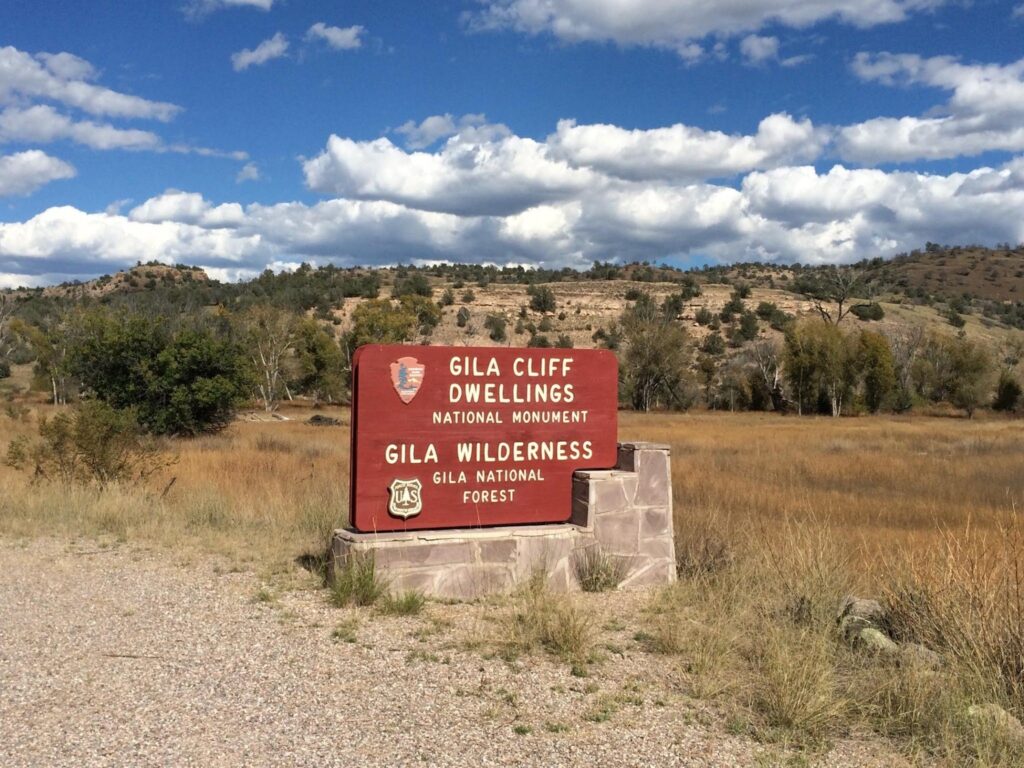
John Day Fossil Beds National Monument
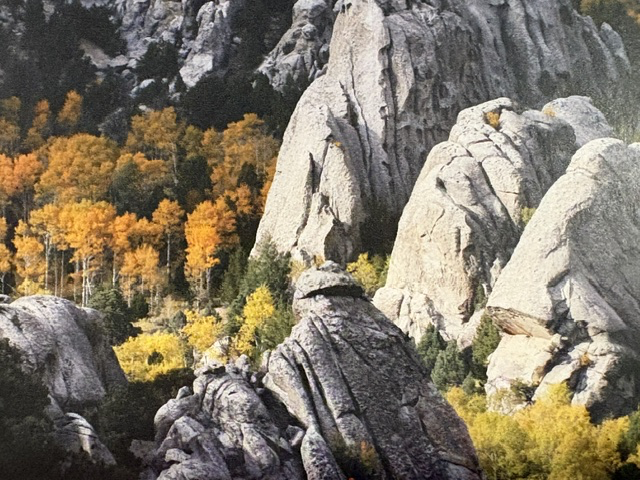
I took this ride to eastern Oregon solo, and what I remember is the isolation. The roads stretched on without interruption, the landscape opening wider with every mile. This is a different part of Oregon, far removed from the coastal side that most people know. There is no ocean here, not dense forest. I stayed […]
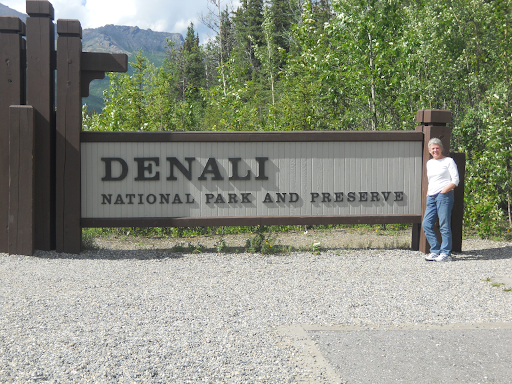
Denali National Park
Flying into Anchorage, our first destination was Denali, and the drive itself felt like the beginning of the adventure. Leaving the city behind, the road quickly opened into vast stretches of wilderness where the scale of Alaska became unmistakable. The Parks Highway winds north through wide valleys and uninterrupted views that seem to stretch forever. […]
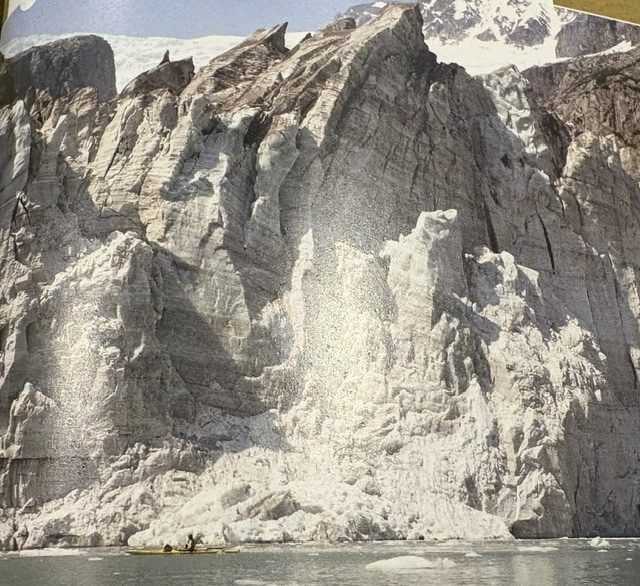
Kenai Fjords National Park
Sweeping from a rugged coastline to glacier-crowned mountains, Kenai Fjords National Park encompasses more than 600,000 acres of wilderness on Alaska’s Kenai Peninsula. During our stay in Seward, we had the opportunity to experience this enormous landscape in two very different ways both from the water and from the land. Our first experience was a […]

