Gettysburg National Military Park
On our first visit to Gettysburg National Military Park, we hired a Park Ranger to guide us through the battlefield and bring the events that unfolded here to life. Standing on these fields, it became clear that Gettysburg is far more than monuments and cannons. It is a landscape where the course of American history changed forever.
The Battle of Gettysburg took place July 1-3, 1863, and became the turning point of the Civil War. More than 50,000 soldiers were killed, wounded or missing after three days of intense fighting. As we traveled from site to site with the ranger, the hills, ridges, and open fields became understandable. You could begin to see why certain positions mattered and how geography shaped the outcome of the battle.
Having a ranger explain the battle transformed the experience. Instead of simply looking at cannons and memorials, we could imagine the courage and chaos that soldiers faced here. Places like Pickett’s Charge became more than names from a history book.
Gettysburg was first preserved as Gettysburg National Military Park in 1895 under the War Department. When the National Park Service was created in 1916, the battlefield was not immediately transformed. That change came in 1933 under President D. Roosevelt, when Gettysburg and many other historic battlefields officially became part of the National Park System.
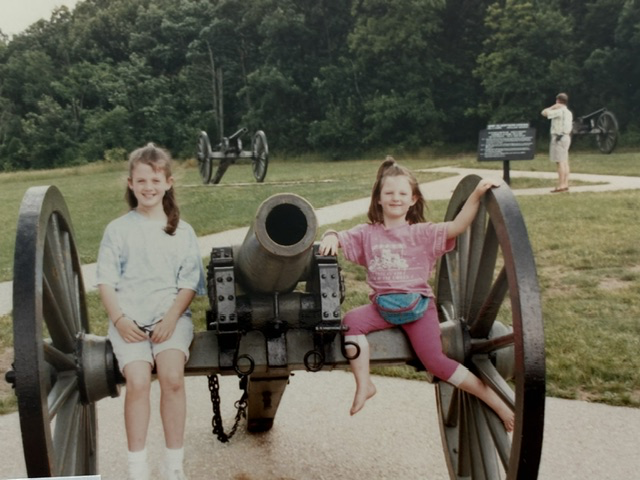
Looking back at this photo of our girls sitting on one of the cannons, I remember how many of our family travels became tied to history and the National Parks. Our family road trip became part of a larger journey of understanding the people, sacrifices and events that shaped the nation.
Read More From Nancy
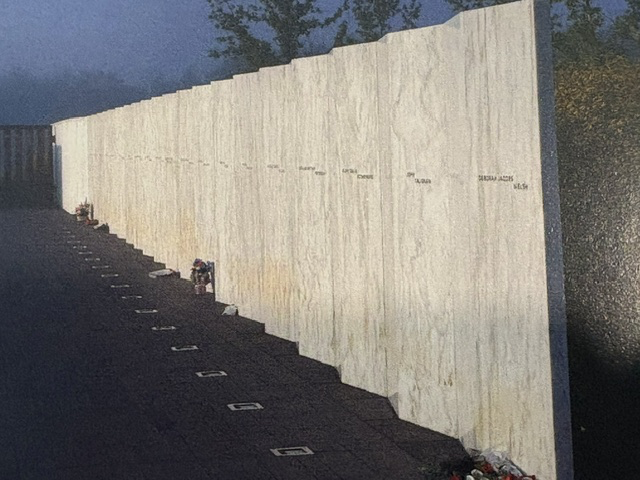
Flight 93 National Memorial
I visited the Flight 93 site when the memorial was still in its early stages. There was very little there compared with the national memorial that has since been created. In some ways, that sparseness made the experience even more poignant. There were few distractions from the landscape itself and from the events that had […]
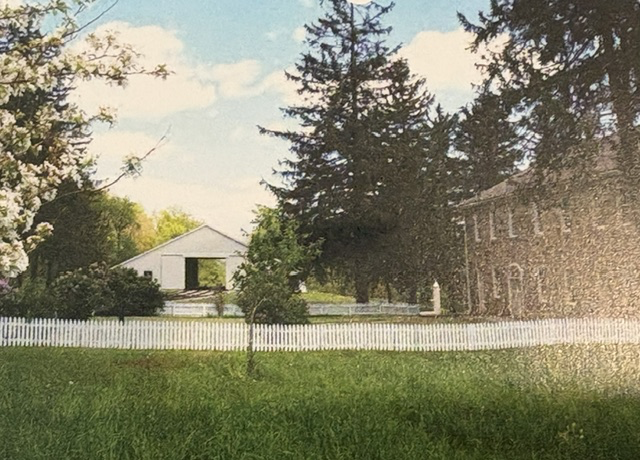
Allegheny Portage Railroad National Historic Site
Allegheny Portage Railroad National Historic Site in Gallitzin, Pennsylvania, preserves one of the most remarkable engineering achievements of early America. Established as a unit of the National Park System in 1964, the site tells the story of the first railroad built to overcome one of the nation’s greatest transportation barriers: the Allegheny Mountains. When the […]
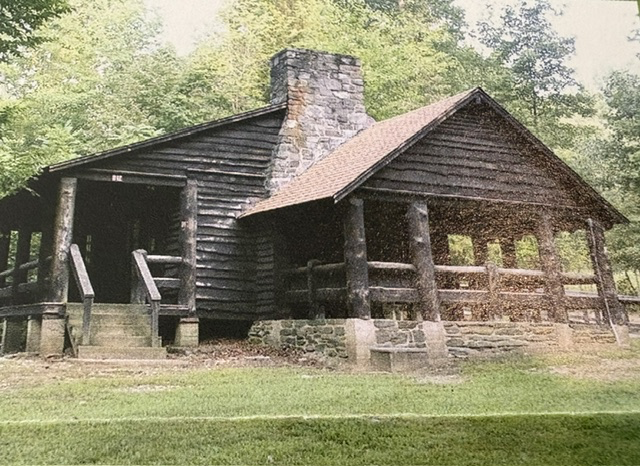
Prince William Forest Park
Prince William Forest Park preserves nearly 15,000 acres of woodland approximately thirty-five miles south of Washington, D.C. It is the largest protected green space in the Washington metropolitan region and contains the largest example of Piedmont Forest managed by the National Park Service. Beneath its canopy, Quantico Creek and its tributaries flow through a landscape […]

