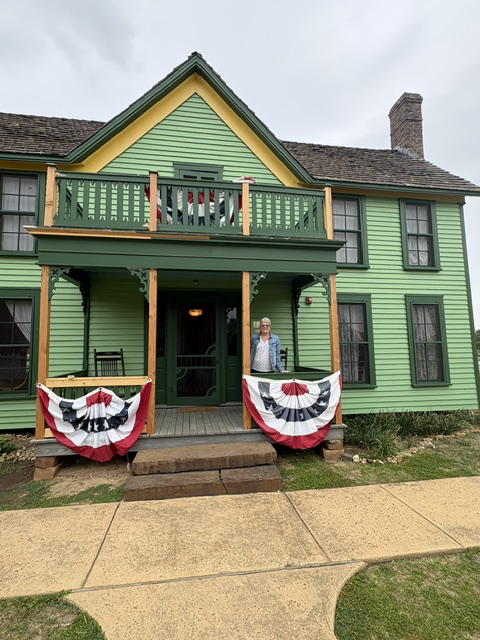
Lyndon B. Johnson National Historic Site
Driving through the Texas Hill Country to visit Lyndon B. Johnson National Historical Park was another journey I enjoyed taking. The landscape seems to tell the story of Lyndon Baines Johnson, wide open spaces, working ranch land and the rural setting that shaped the man who would become the 36th President of the United States.
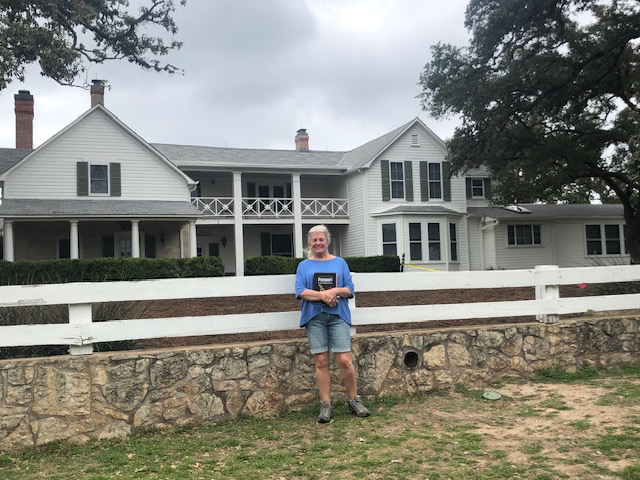
LBJ returned to this home after leaving the presidency, and it remained deeply connected to his identity throughout his life. Often called the “Texas White House,” the ranch became a place where world leaders visited, political decisions were discussed and Johnson could reconnect with the land and lifestyle he loved.
Johnson’s presidency is more frequently remembered through the difficult years of the Vietnam War, a conflict that deeply divided the nation and ultimately overshadowed much of his public image. Standing at this historic site, and visiting his Presidential Library, reminds visitors that his presidency encompassed far more than that chapter alone. During his administration, landmark legislation reshaped American life through the Civil Rights Act, Voting Act, anti-poverty initiatives and more. These reforms became part of what he called the “Great Society”.
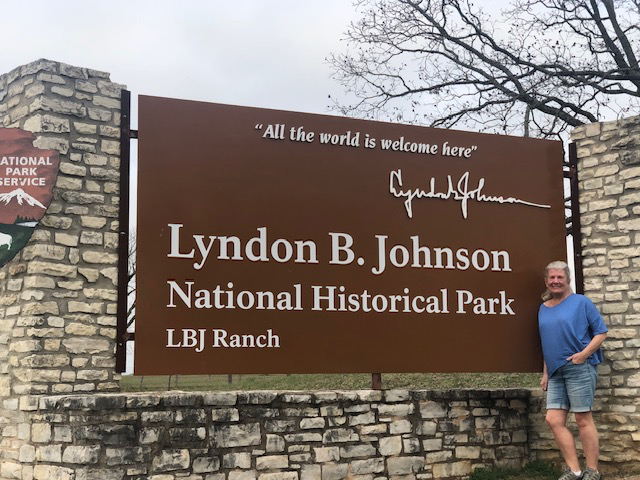
The ranch also reflects Johnson’s love of family, his attachment to Texas and his desire to remain connected to ordinary Americans. The famous quote at the entrance, “All the world is welcome here”, captures the spirit he wanted visitors to feel when they arrived at his home.
Lyndon B. Johnson National Historical Park became part of the National Park System in 1969, while Johnson was still alive, preserving both his boyhood home and the LBJ ranch for future generations. Visiting this site provides a deeper understanding of a complicated leader who helped shape modern American during one of the nation’s turbulent eras.