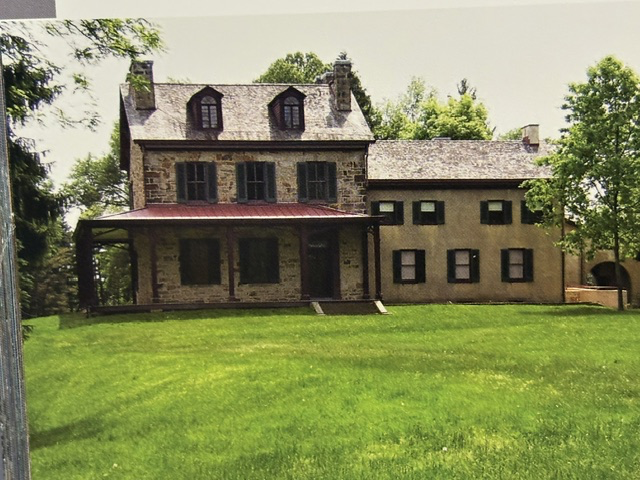
Eisenhower National Historic Site
In Gettysburg is the only home that Dwight D. Eisenhower ever owned. A leader during World War II and later President, he lived a life defined by service.
The home, now preserved as the Eisenhower National Historic Site, reflects a different side of his life. This modest farm is quiet, practical and personal. Eisenhower purchased the property in 1950, during his years as a military leader, and it became the place he returned to whenever he could step away from public responsibilities.
After his presidency, this is where he and his wife, Mamie, chose to live. It became his retreat from the demands of leadership, a place where he could spend time with family, host friends, and step back into a more grounded daily life. Even while serving as President, he used the farm as a working retreat, welcoming leaders there in a more informal setting.
In these later years, the house became a place of reflection. Here, Eisenhower wrote his memoirs, spent time painting and settled into the routines of farm life, a sharp contrast to the decades he had spent in positions of global responsibility.
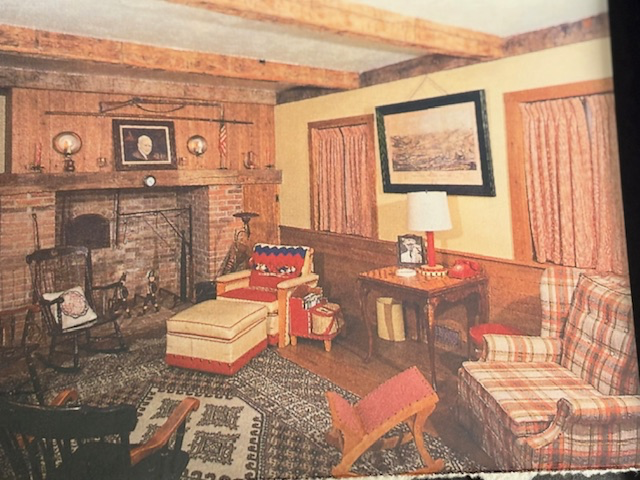
The photo of his den captures the feeling of his home. It is not formal, but lived in. Eisenhower spent decades of his life in positions of authority, but he chose simplicity in his personal space.
Eisenshower died in 1969, and his wife donated the property to the federal government. The site was designated a national historic site in 1969 and placed under the care of the National Park Service.
Walking through this house and grounds, it became clear that this was a place where a man who had shaped world events chose to live out his final years.