Boston African American National Historic Site
Tucked into the narrow streets of Beacon Hill, the African Meeting House stands quietly, but its presence carries the full weight of a community determined to define itself. Built in 1806, it is the oldest surviving Black church building in the United States, constructed largely by free African American artisans who refused to be limited by the constraints of their time. This building was the heart of Boston’s free Black community. It was not just a church, but a school, a gathering place, and a center of activism.
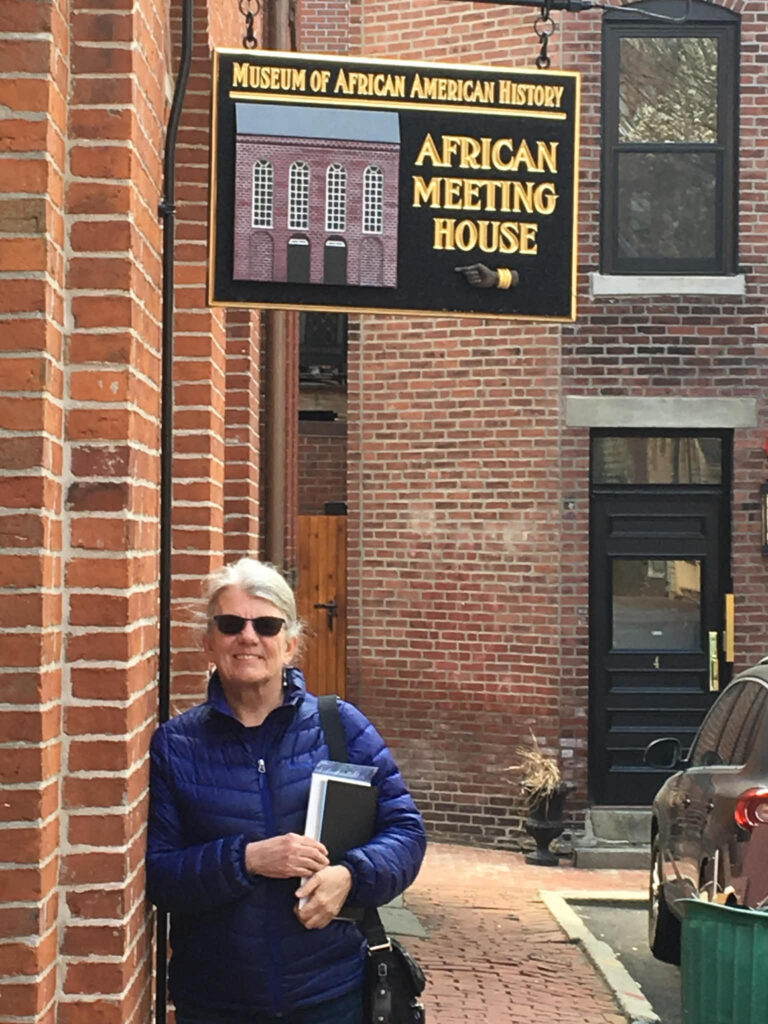
In its rooms, children learned at the African School. and generations of families came together to build a future that extended beyond the limitations imposed on them. But what gives this space its deeper resonance is what happened within its wall. The Meeting House became known as the “Black Faneuil Hall”, a place where voices rose in pursuit of freedom.
It was here that Willian Lloyd Garrison helped found the New England Anti-Slavery Society in 1832, and where leaders like Frederick Douglas spoke and organized. Boston was known for its role in the American Revolution, but here in this building, another revolution unfolded. Here was a community claiming its place in history, education and civic life.
For decades, this building remained the center of religious, political and cultural life for Boston’s Black residents. In the late 19th century, as the Black community moved to other neighborhoods, it became a synagogue for new immigrant families.
The African Meeting House became part of the National Park system in 1974, when it was designated a National Historic Landmark, recognizing its national significance in African American history and the abolitionist movement. Then in 1978, it was formally included as the central site within the Boston African American National Historic Site, by President Jimmy Carter.
Read More From Nancy
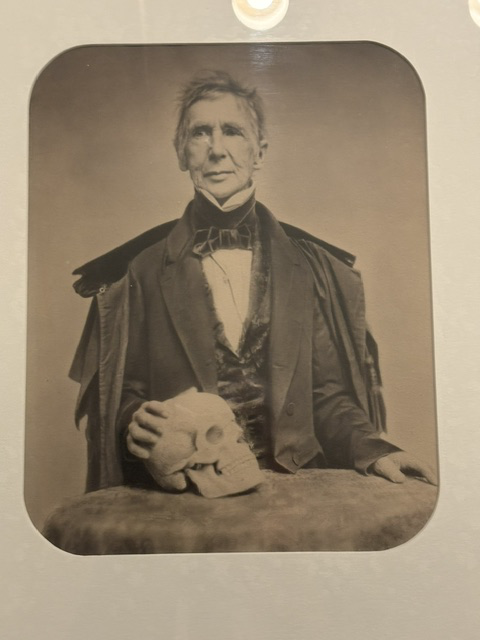
Dr John Collins Warren
Among the photographs displayed within the historic Bulfinch Building at Massachusetts General Hospital is this remarkable portrait of Dr. John Collins Warren. Standing formally dressed with one hand resting on a human skull, Warren looks very much like a nineteenth-century physician and anatomist. Yet his connection to this building goes much deeper. He was one […]
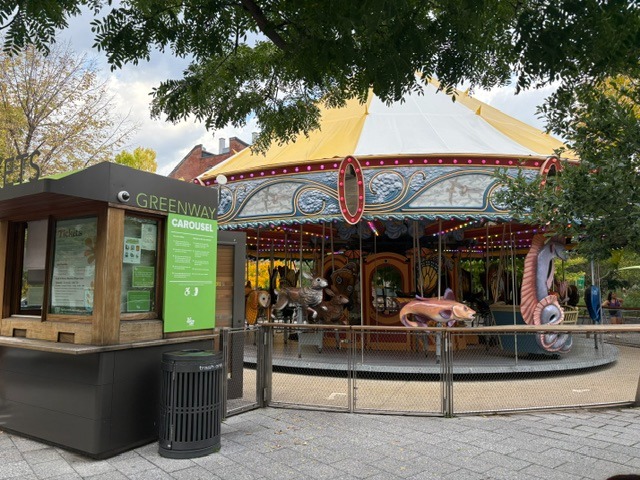
The Greenway Carousel
I ride this carousel as often as I can when I visit Boston. Walking through the city often leads us to historical places, but I also enjoy making time for something simply because it brings me joy. The Greenway Carousel has become one of those familiar stops I look forward to. Opened on August 31, […]
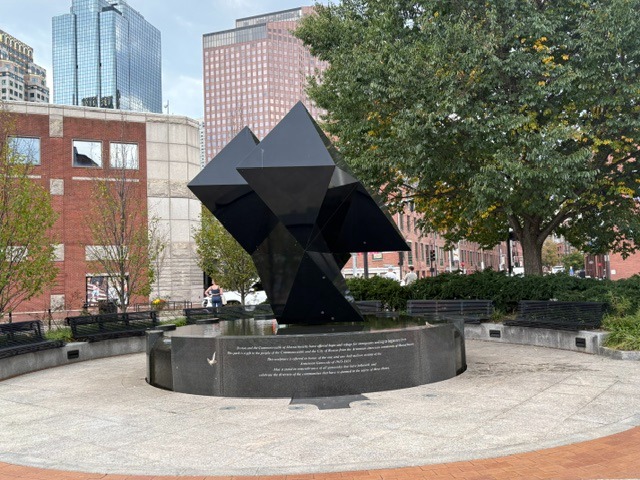
Armenian Heritage Park
During our walk around Boston, we stopped at Armenian Heritage Park on the Rose Kennedy Greenway. Its angular sculpture offers a different kind of memorial: one whose form changes while its purpose remains rooted in remembrance. The sculpture honors the lives lost during the Armenian Genocide of 1915–1923 and the genocides that followed. The park […]

