Cumberland Gap National Historical Park
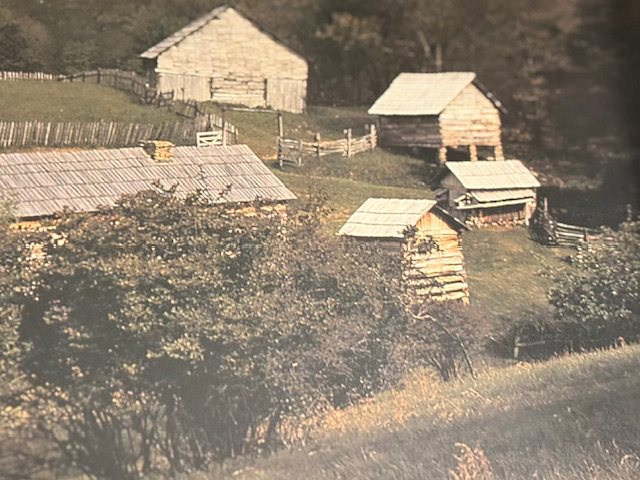
At the Cumberland Gap National Historical Park, located at the intersection of Kentucky, Tennessee and Virginia, high atop Cumberland Mountain sits the Hensley Settlement, a restored early 20th century mountain community.
To understand this place, you first must understand the Cumberland Gap itself.
The gap is a natural pass through the Appalachian Mountains, one of the few accessible routes through the otherwise formidable barrier. For centuries, it served as a pathway, first of Native Americans, and later for early settlers moving west. In the late 1700s, pioneers such as Daniel Boone helped establish routes through the gap, opening the way for thousands of settlers to travel into Kentucky and beyond. It became known as the “Gateway to the West”, a critical passage in the expansion of the United States.
Hensley Settlement was not a place easily accessed, and that distance shaped the lives of the families who lived here. Established around 1903 by the Hensley family, the community grew into a small, self-sufficient settlement.
The homes, built of logs and local materials, were simple but functional. Surrounding them were fields carved out of mountain, where residents farmed, raised livestock and lived largely off the land. A schoolhouse, a springhouse and shared spaces reflect the close knot nature of the community.
The settlement remained occupied into the mid-20th century before becoming part of the park. The park itself was established in 1940 and is maintained by the National Park Service.
The Cumberland Gap carried thousands of people westward, shaping the movement of the nation. This park reflects where movement and settlement meet, where some passed through and some settled.
Read More From Nancy
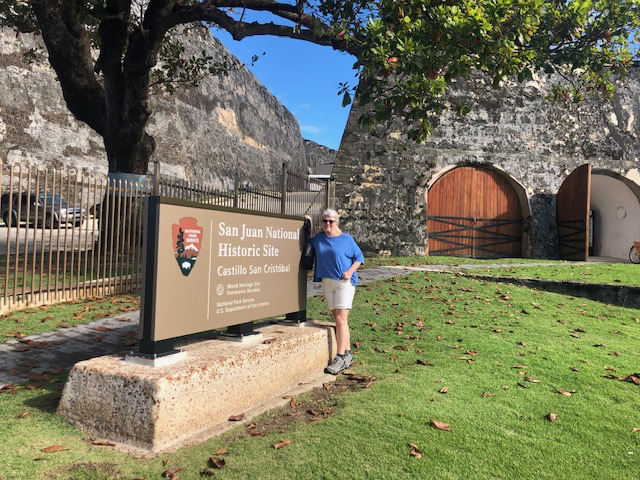
San Juan National Historic Site
Walking through the San Juan National Historic Site in Puerto Rico feels like stepping into four centuries of Atlantic world history. Perched above the waters of San Juan Bay, these massive stone fortifications stand as reminders of an era when empires fought to control the New World. Spain poured enormous resources into protecting this small island […]
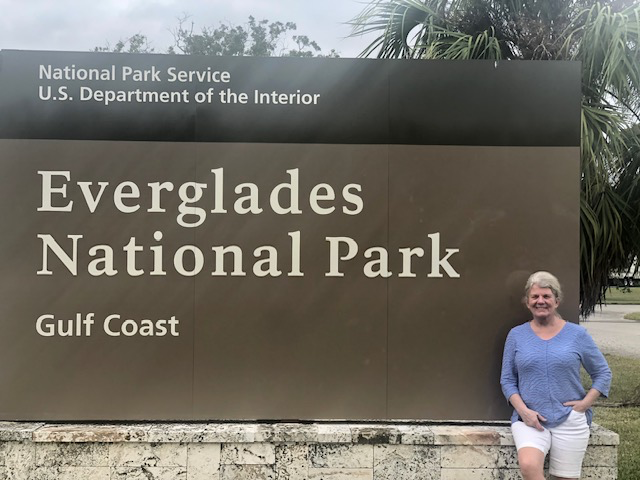
Everglades National Park
The Everglades National Park is such a massive and unique national park that each visit feels like exploring an entirely different landscape. Spanning more than 1.5 million acres, it protects one of the largest subtropical wilderness areas in the United States and became a national park in 1947 under President Harry S. Truman. The Everglades were protected […]
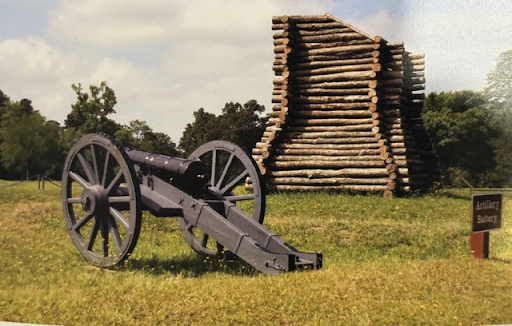
Ninety Six National Historic Site
Ninety Six National Historic Site in Ninety Six, South Carolina, preserves one of the most significant yet least-known battlefields of the American Revolution. Established as a National Historic Site in 1976, it tells the story of a frontier settlement where Native Americans, settlers, Loyalists, and Patriots all struggled for control of the South Carolina backcountry. […]

