Thomas Wolfe Home
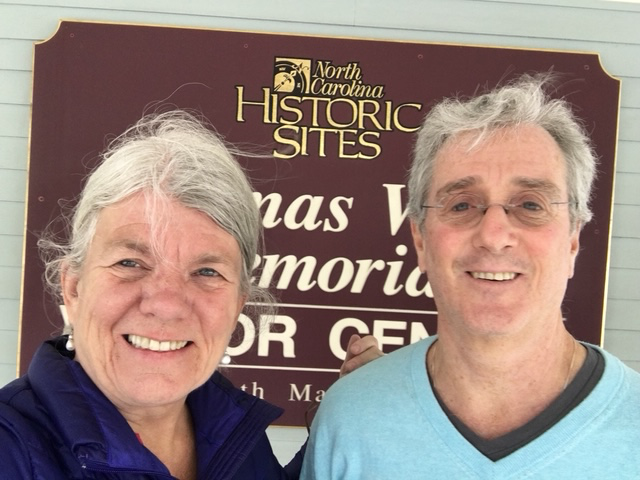
Wandering through the quiet rooms of the Thomas Wolfe Memorial in Asheville, North Carolina. Marty and I stepped back into an era when Asheville was not yet a bustling arts town, but rather a sanctuary for healing and a mountain refuge for those seeking relief from tuberculosis.
In the late 1800s and early 1900s, Asheville became known as a health resort for tuberculosis patients. Doctors of the era prescribed mountain air, sunshine, and rest as the only “cure” for the disease then called “consumption.” Sanatoriums and boarding houses sprang up across the city, filled with patients wrapped in blankets on verandas, taking the “rest cure” amid the cool, clean air. Many came from faraway cities, traveling by train or carriage, hoping the altitude would offer a second chance at life.
The house itself, once known as the Old Kentucky Home, stands humbly on North Market Street. Its wooden porches and creaking floors seem to hold the echo of boarders long gone (travelers, teachers, wanderers, and invalids) who came to the Blue Ridge Mountains in search of fresh air and rest. Thomas Wolfe’s mother, Julia Wolfe, ran the boardinghouse, filling it with the rhythm of daily life: meals served in the dining room, voices from rented rooms, and the comings and goings of guests who sought comfort or inspiration among the mountain breezes.
The crowded, vibrant life of the boarding house became the backdrop for Wolfe’s semi-autobiographical novel, Look Homeward, Angel.