Mansion House
Last summer, on our return from a camping trip to the Finger Lakes, we took a few detours to explore historic sites along the way. Upstate New York was the heart of the Religious Awakening in the years before the Civil War, and it is dotted with places where people gathered in search of a more harmonious life. One place I had long wanted to see was Onei, often referred to as the longest-lasting utopian community in America. My curiosity was simple: how did this group sustain their lofty goals so much longer than other, similar experiments?
Part of what drew me there was personal. In my youth, I, too, was drawn to communal living and utopian ideals. I lived in both an ashram and a study house, places where like-minded people gathered in hopes of supporting each other’s explorations and growth. But many of the communities I experienced didn’t survive beyond their founders. That’s why I found the Oneida story so intriguing. What allowed them to endure?
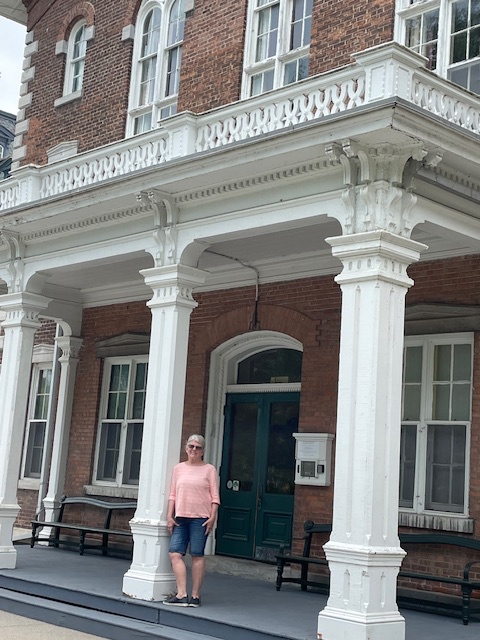
Visiting the Mansion House, as their central communal home is called, was fascinating but left me hungry to understand more. Today, I finished the book Oneida Utopia, and it provided just what I had been seeking. The book is a well-written testimony to the ideals that this group strove to embody.
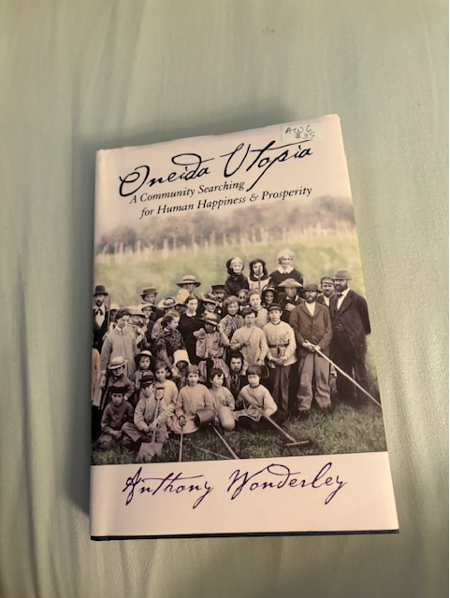
Too often, the conversation about Oneida circles around the sensational, particularly the sexual practices of this Perfectionist group, which certainly set them apart from others. But there was so much more to their lifestyle: their experiments in shared labor, their collective decision-making, their efforts to live out spiritual and social ideals in tangible ways. These were not just eccentricities, but sustained practices meant to align daily life with higher aspirations.
Reading and reflecting, I found myself drawn again to that timeless question: how do we create communities that truly support one another in growth, balance, and purpose? Oneida’s story, with all its complexity, remains a provocative and inspiring attempt to answer it.

Read More From Nancy
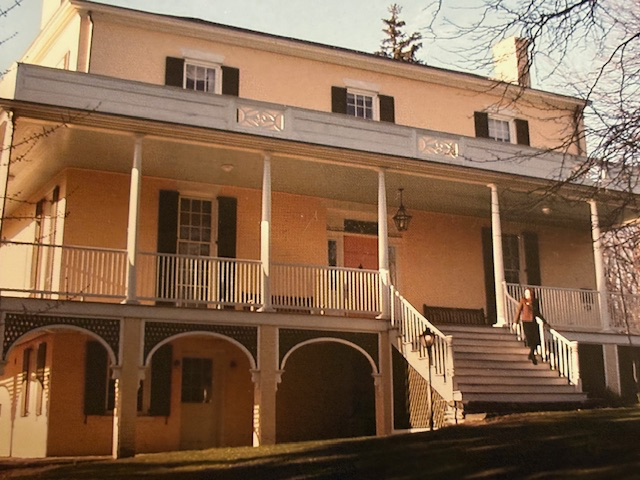
Thomas Cole National Historic Site
Thomas Cole is often considered the founder of the Hudson River School, America’s first true artistic movement. His home at Thomas Cole National Historic Site is modest, especially when compared to the grand estates of some of his students, yet this quiet setting became an important gathering place for artists. Within these walls, and in the surrounding […]
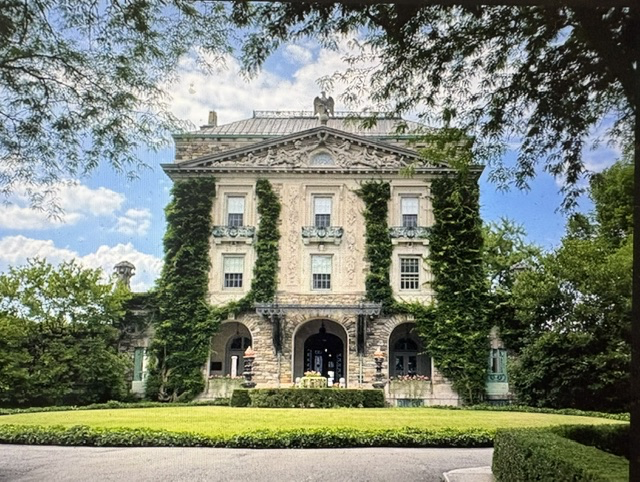
Kykuit
Marty and I traveled to the Hudson River Valley specifically to tour Kykuit, the Rockefeller family home, and to learn more about the family whose name became so closely connected with American industry, philanthropy, politics, conservation and the arts. I knew the Rockefeller name, of course, but visiting their home offered an opportunity to understand […]
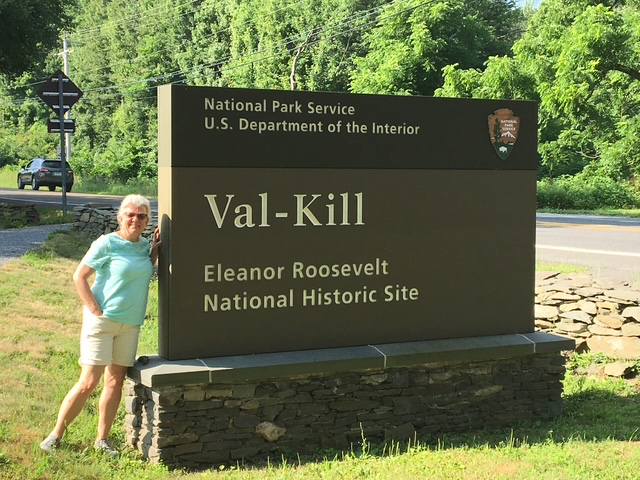
Eleanor Roosevelt National Historic Site
Visiting Val-Kill in Hyde Park is special to me. Eleanor Roosevelt is a woman I admire, for her courage and for how she grew into the role she eventually played on the world’s stage. Val-Kill was not created as a grand residence. In the 1920, it began as a small furniture workshop, part of Eleanor’s effort to […]

