Tule Springs Fossil Beds National Monument
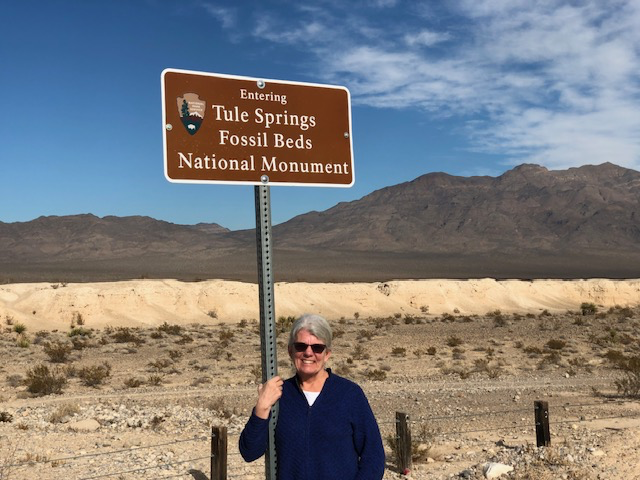
On our family vacation to Las Vegas, we stepped away from the lights of the Strip and drove north into a very different kind of landscape. The desert opened up and we found ourselves walking through the layered badlands of Tule Springs Fossil Beds National Monument. We spent a couple of hours there, slowly wandering the trails, taking in the wind and silence and the striations in the earth that told a much older story than the city we had left behind.
At first glance, it feels stark and dry. But this land was once a wetland, spring-fed and alive during the Ice Age. Tens of thousands of years ago, Columbian mammoths, giant ground sloths, camels, horses, bison and dire wolves roamed here. The Las Vegas Valley was greener then, sustained by water that pooled and flowed across this basin. When these animals died, their bones were buried in sediment. Layer upon layer accumulated, preserving a record of climate that scientists are still studying today.
This area became protected as a national monument in 2014, when President Barack Obama designated it. Long before that designation, researchers recognized its importance. Major excavations in the 1960s helped establish a clearer timeline of Ice Age environments in the Southwest.
There is no visitor center here, no crowds, no gift shop. Just open desert and interpretive signs. History hides in plain sight. Sometimes all it takes is a brown National Park sign and a turn off the road to discover it. This is why I love to explore, because when I walk through places like this, I am not just observing history, I am standing inside it.
Read More From Nancy
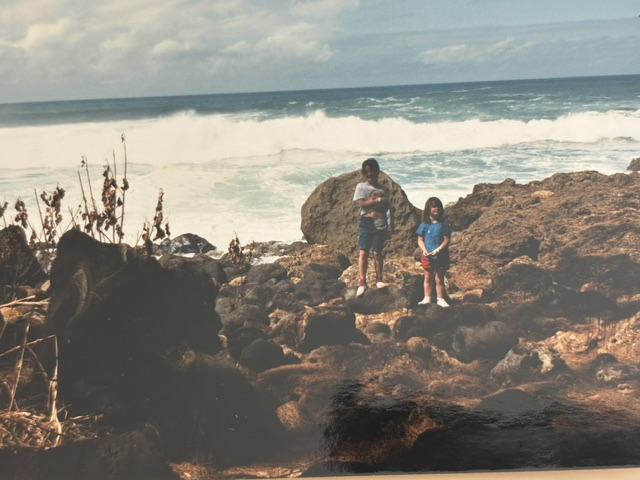
Hawai’i Volcanoes National Park
The Big Island of Hawaii is a place where the power of nature is impossible to ignore. Among this rugged shoreline near Hawaii Volcanoes National Park, the land feels raw and unfinished, shaped by fire, lava and the constant pounding of the Pacific Ocean. Here we are standing on black volcanic rocks with waves crashing against the shoreline. Hawai’i […]
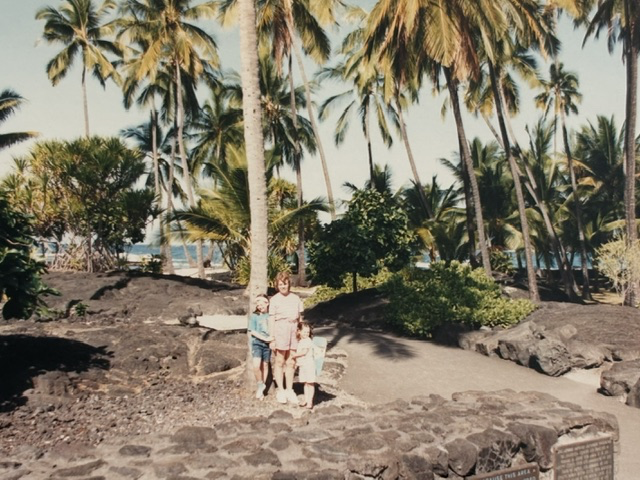
Pu’uhonua o Honaunau National Historical Park
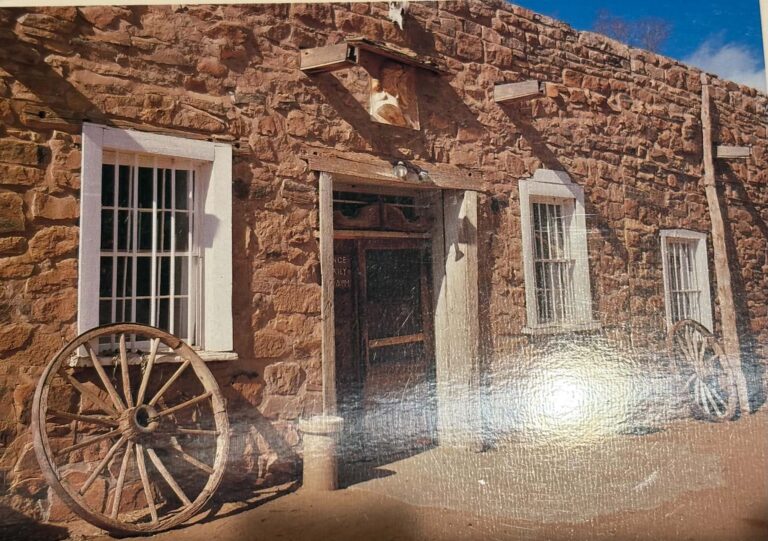
Pu’uhonua o Honaunau National Historical Park on the Big Island of Hawaii is one of the most important and sacred historic places in Hawaii. Long before Hawaii became part of the United States, this area served as a “City of Refuge”, a protected santuary where people could excape punishment, violence or death. An ancient Hawaiian society, life was governed by a […]
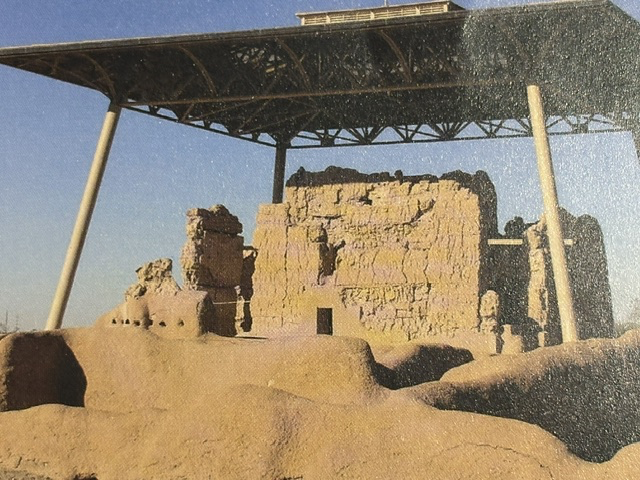
Casa Grande Ruins National Monument
In the heart of the Sonoran Desert, Casa Grande Ruins National Monument preserves one of the most remarkable archaeological sites in the American Southwest. Long before Europeans arrived, this region was home to a sophisticated farming society that transformed the desert into productive agricultural land through an extensive system of irrigation canals. For more than […]

