Fruitlands Farmhouse
The farmhouse at Fruitlands is a house that we visited often. When my daughters were volunteering at the Orchard House in Concord, the farmhouse at Fruitlands helped fill in another part of the story of the Alcott Family.
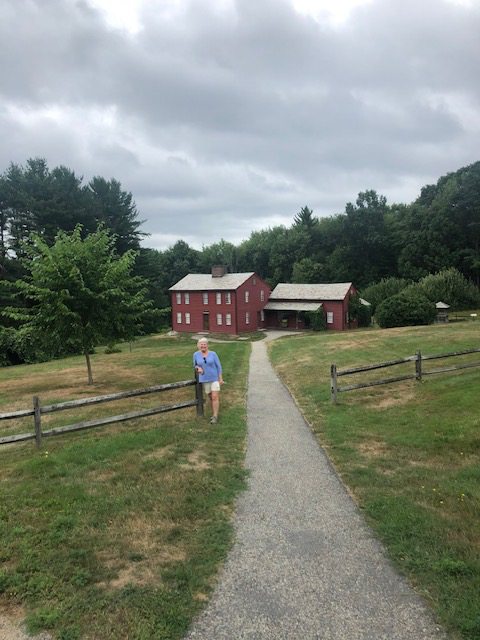
It was here that Bronson Alcot attempted to create and intentional community based on transcendentalist ideals. In 1843, he and a small group of like-minded thinkers established what they called the Fruitlands community in the rural hills of Harvard, Massachusetts.
The goal was ambitious and deeply philosophical. The residents helped to live a life of simplicity, self-sufficiency, and spiritual development, free from the influences of commerce and materialism. They planned to farm the land, grow their own food, and devote themselves to intellectual and moral improvement.
The ideas behind the community were noble, but the reality of daily life soon intruded. The land was difficult to cultivate, the growing season was short, and many of the members were far better suited to philosophical discussion than to the hard physical labor required to sustain a working farm.
During this time the Alcott daughters were still quite young. Louisa and her sisters lived in the farmhouse with their parents and the other members of the community. The girls slept in the cold attic room, enduring the harsh New England winter while the adults struggled to keep the experiment alive.
The community lasted only a few months. As winter approached and food supplies dwindled, it became clear that the experiment could not succeed. Louisa May Alcott later reflected on this experience in her writings, including the satirical story “Transcendental Wild Oats”, which described the challenges of trying to turn lofty ideals into practical daily living.
In the farmhouse, it is easy to imagine the tension between vision and reality that played out within its walls. The dream of a perfect community met the demands of farming, weather and human nature. Ideas may inspire, but communities survive through steady work of everyday life. Not everyone can be a philosopher, someone also must do the work.
Read More From Nancy
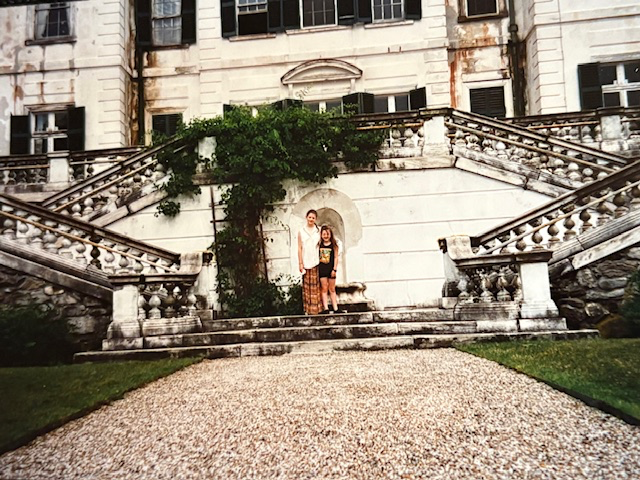
Edith Wharton’s Mount
Exploration through road trips was a big part of homeschooling in our household. Each spring, when historic homes reopened for the season, off we would go, ready to step into another life and another era. One such stop was Edith Wharton’s home in Lenox, Massachusetts, a place we returned to more than once, always drawn back […]
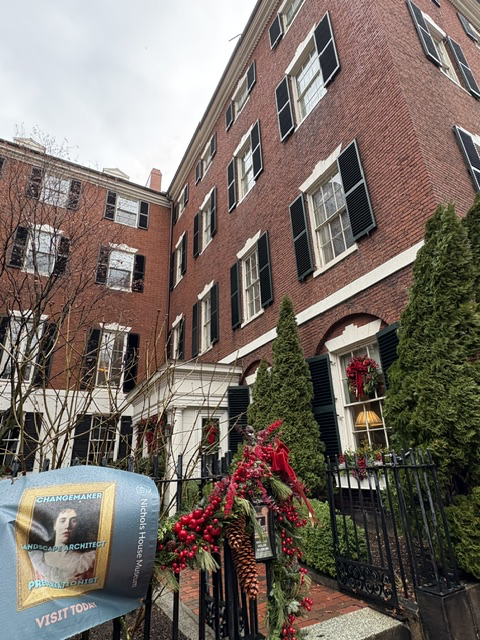
Nichols House Museum
Many historic houses close for the winter season, making December a challenging time for a house museum enthusiast. When Marty was looking for something to do for my December birthday, he managed to reserve a tour of the Nichols House Museum on Boston’s Beacon Hill. What seemed like a simple outing quickly became an adventure of […]
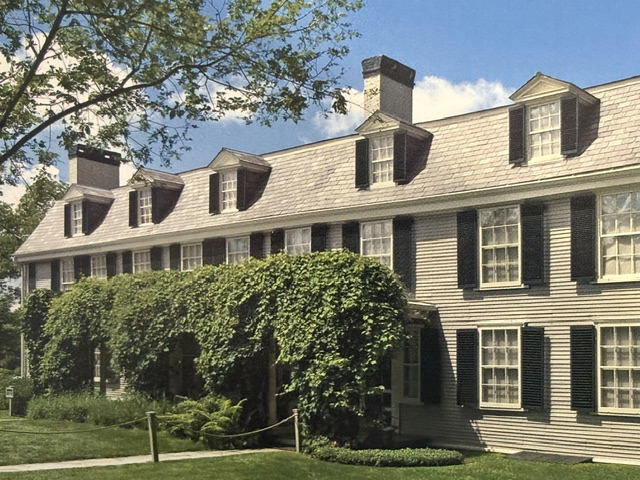
Peace Field
There are some historic homes that you visit once, and there are others that continue to draw you back. For me, the Adams National Historical Park in Quincy is one of those places. Living in Massachusetts, we have had the opportunity to visit many times, and each visit reveals something new about one of America’s […]

