Lyman Estates
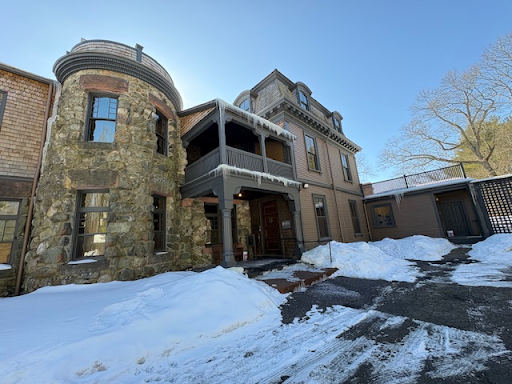
In Waltham stands another remarkable site connected to early American horticulture and estate life: The Lyman Estate. This estate preserves one of the finest surviving country houses of the Federal period as well as one of the oldest continuously operating greenhouse complexes in the United States.
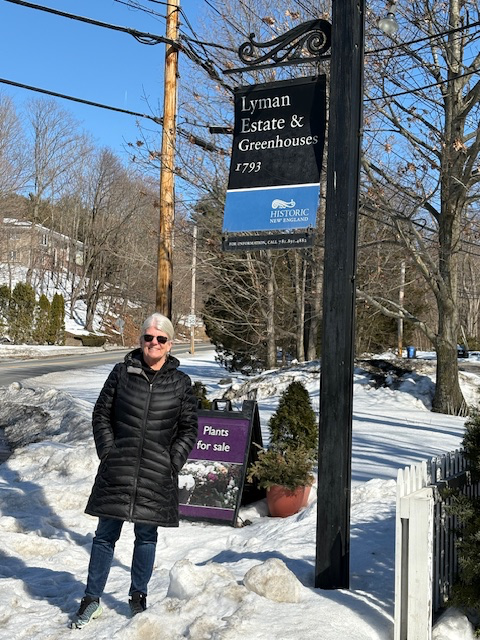
The estate was built in 1793 for Theodore Lyman, a wealthy Boston merchant who sought to create a country residence outside the city. The Lymans established a large rural property where they could escape the bustle of Boston while managing farmland and gardens.
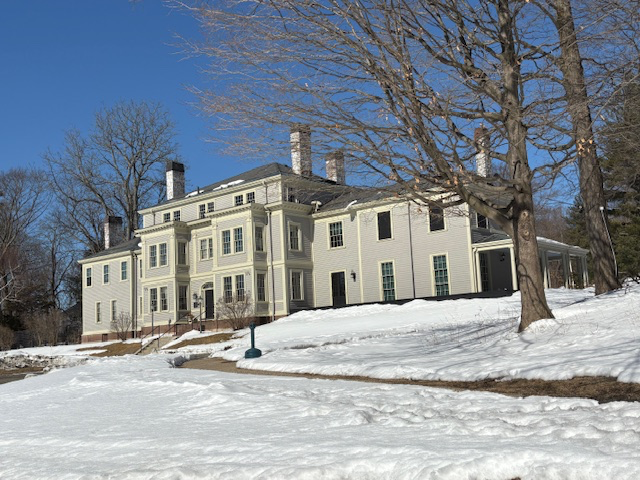
One of the most remarkable features is its historic greenhouse complex. Beginning in the early 19th century, the Lyman family constructed a series of glasshouses designed to grow plants that could not normally survive the New England climate. These greenhouses are particularly famous for their grape cultivation. The Lymans developed extensive grapevines trained inside the glasshouses, producing fruit in an era when fresh grapes were still a rarity in northern climates
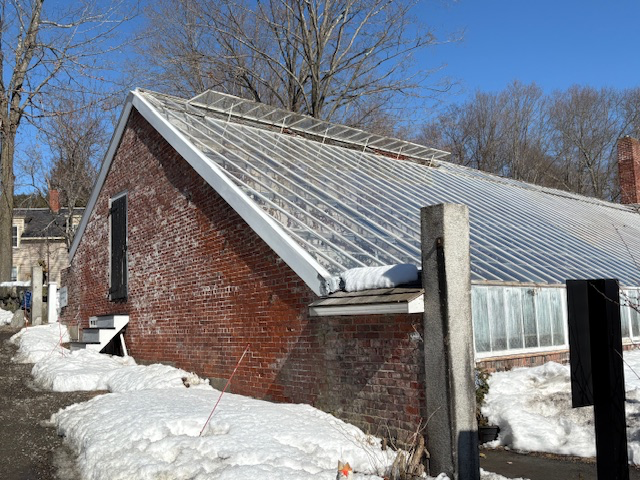
The estate itself remained in the Lyman family for many generations before eventually being preserved as a historic property maintained by Historic New England. The combination of architecture, agriculture and landscape design makes the Lymans Estate a particularly vivid window into how affluent New England families once lived, cultivated the land, and experimented with growing plants far beyond the natural limits of the local climate.
Read More From Nancy
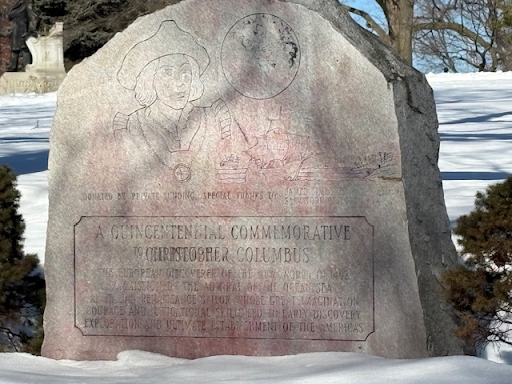
Monument to Columbus
On the Common in Waltham, there is a granite stone set quietly among the other memorials that mark the town’s history. It does not rise high but if you stop and read it, the inscription reads: “A Quincentennial Commemorative to Christopher Columbus. The European discoverer of the New World in 1492…….” The wording continues in a […]
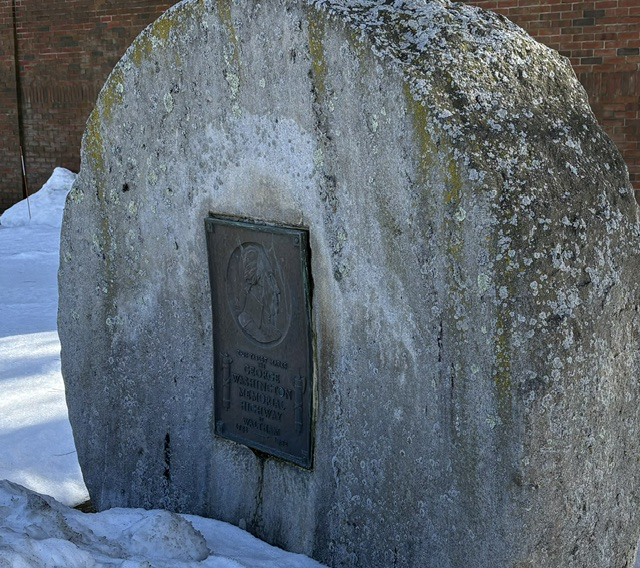
George Washington Memorial Highway Marker
Throughout my travels in New England, I have frequently come across bronze markers identifying the route traveled by General George Washington. They appear in many towns and cities across Massachusetts, commemorating the roads Washington followed as he journeyed to assume command of the Continental Army in 1775 and later as President of the United States […]
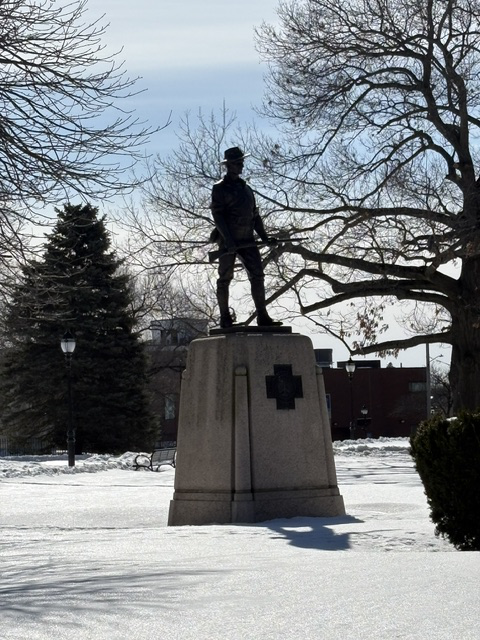
Soldiers and Sailors Monument
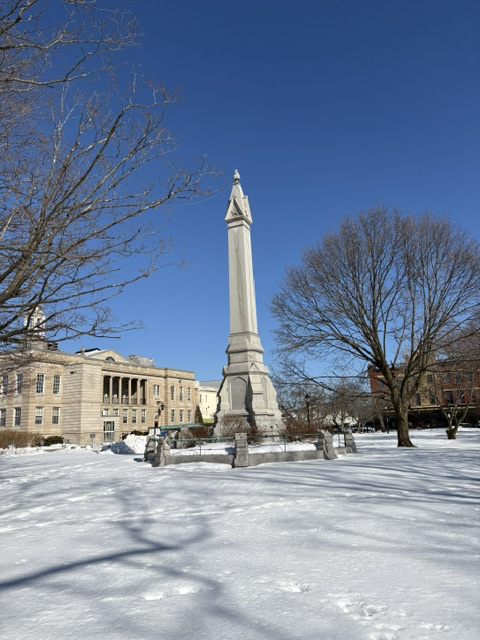
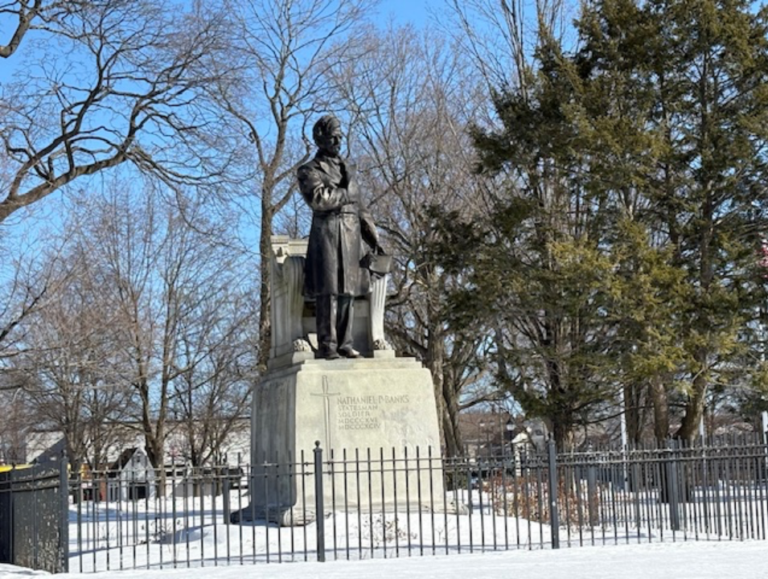
Standing prominently on Waltham Common is the Soldiers and Sailors Monument, one of the city’s oldest public memorials and one of the earliest Civil War monuments erected in Massachusetts. The monument was dedicated on May 29, 1868, only three years after the end of the Civil War, at a time when the memories of the conflict […]

