Jackson Homestead
We have visited the Jackson Homestead in Newton many times over the years. Along with its rich local history, the house holds an important place in the story of the Underground Railroad. When I first visited it with my children, I remember seeing the iron shackles that had once been used on enslaved people. Seeing those artifacts made the history of slavery feel more real in ways that books alone could never convey.
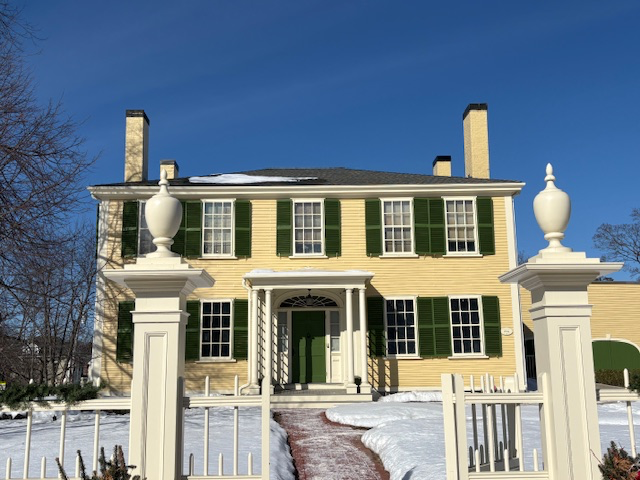
The house was built in 1809 by Timothy Jackson, a prosperous merchant who lived along the important road between Boston and the western towns of Massachusetts. The elegant Federal-style home stood along the Worcester Turnpike, a major travel route in the early nineteenth century.
During the decades before the Civil War, the house became connected with the abolitionist movement and the efforts to help enslaved people escape to freedom. It is believed that the Jackson family allowed the house to serve as a safe stop along the Underground Railroad, the network of secret routes and safe houses used by freedom seekers fleeing slavery in the South. Newton and the surrounding Boston region had strong abolitionist communities and homes like this one played a role in that struggle.
The house also witnessed a pivotal moment in local history. In 1834, Newton residents gathered here during what became known as the “Jackson Homestead Meeting,” a public protest against slavery and discrimination. The meeting was controversial at the time, and it reflected the growing tension across the country over the issue of slavery.
Over time, as Newton grew from a rural town into a thriving suburban city, the Jackson Homestead remained as a reminder of the earlier community that had once gathered around it. In the twentieth century the house was preserved and eventually became a museum dedicated to Newton’s local history.
Today, the museum tells many stories about the early farming community that once surrounded the house, about Newton’s development during the nineteenth century and about the people who stood against slavery in the years before the Civil War.
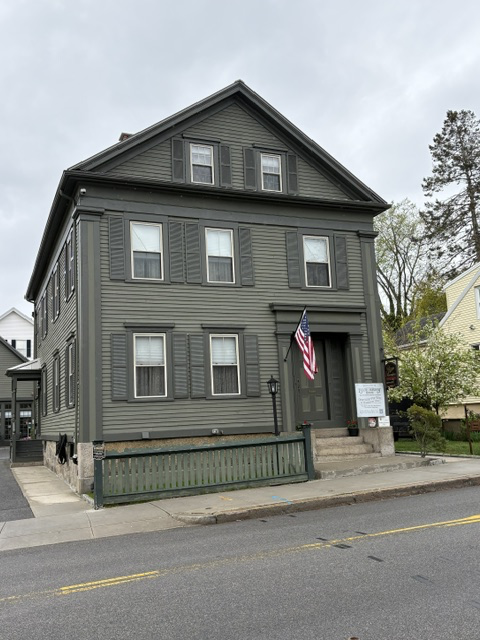
Read More From Nancy
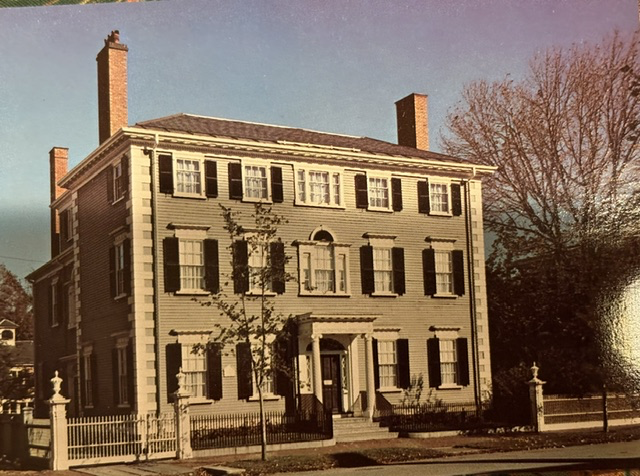
Stephen Phillips House
I drove to Salem to visit the Stephen Phillips Memorial Trust House, one of the city’s finest historic homes. Walking through its rooms felt like stepping back into the period when Salem was one of America’s most important seaports and a center of international trade. More than a museum, the house offers a glimpse into the […]

Edward Gorey House
The Edward Gorey House is one of the more unusual places I have visited. This modest Cape Cod residence draws visitors into the eccentric world of one of America’s distinctive artists and writers. Located in Yarmouth Port, Massachusetts, the house was the home of author, illustrator, playwright and artist Edward Gorey from 1986 until his death in […]
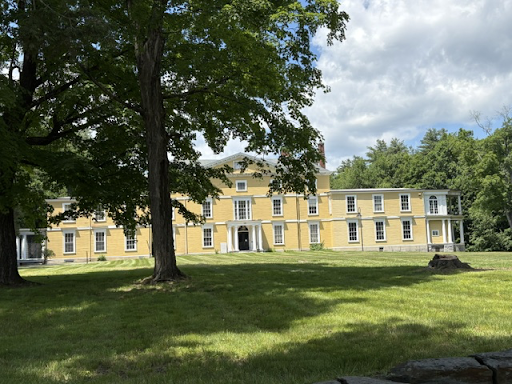
Nathaniel Thayer Estate
Driving through South Lancaster, I was surprised to come upon one of the grandest estates in central Massachusetts: the Nathaniel Thayer Estate, later known as Thayer Hall. Set amid expansive lawns and towering trees, the stately yellow mansion immediately conveyed the elegance and prosperity of nineteenth-century New England. Although many visitors associate South Lancaster with […]

