Nathan P. Banks Statue
I stop at statues, sometimes to admire the sculpture itself, but always to ask what about this person’s life was so memorable that a town or community would place their image in such a prominent location. That was certainly true for the large, prominent sculpture I found on the Waltham Common.
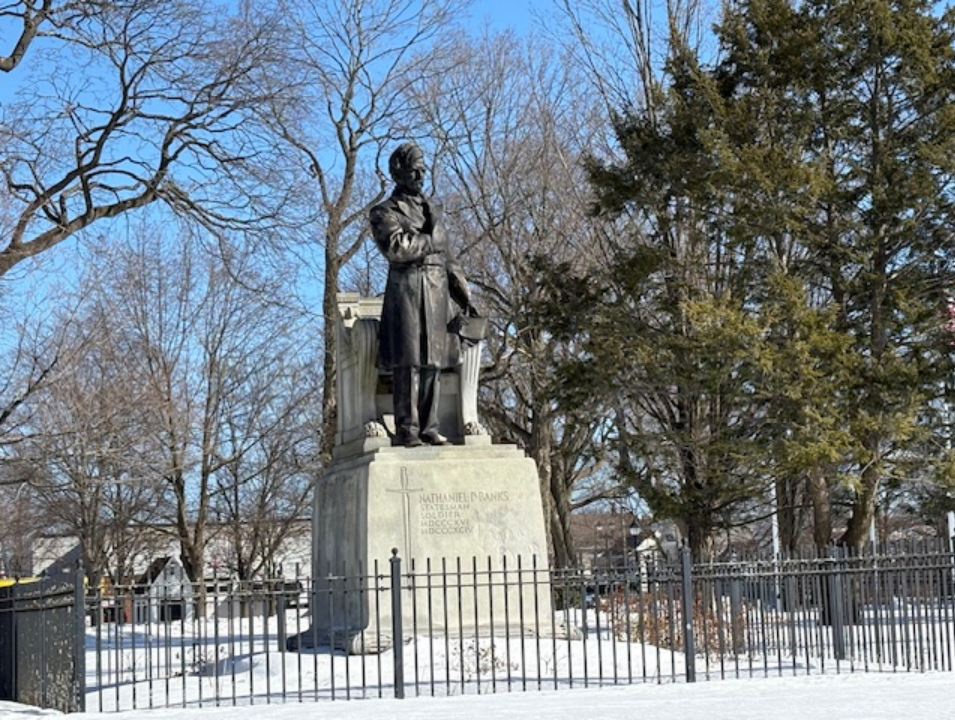
There, standing in bronze, is Nathaniel P. Banks, a man whose life stretched from the factory floors of early industrial Waltham to the hall of Congress and the battlefields of the Civil War. Born in Waltham in 1816 to a mill-working family, Banks did not begin life with wealth or advantage. He left formal schooling early and educated himself, rising through ambition, public speaking and political instinct.
He served in the Massachusetts legislature, became Speaker of the U.S. House of Representatives in 1856 during the turbulent pre-Civil War years, and was later elected Governor of Massachusetts. As the nation fractured over slavery, Banks aligned with anit-slavery movements and helped shape the emerging Republican Party in New England.
When the Civil War erupted, President Lincoln appointed him a Union general. He served in campaigns in Shenandoah Valley and Louisiana and his service placed him at the center of the Union’s struggle during the nation’s most defining crisis.
After the war, he returned to Congress, remaining a national political figure for decades. His life bridged industry, politics, war and Reconstruction.
So this is why Waltham honors him on their common: He was one of their own. A son of the town who rose to national prominence. The statue reflects civic pride. As I explore town commons and the statues that dot them, I am reminded that bronze figures are not placed lightly. They are statements about what a community values: ambition, service, perseverance, influence.
Read More From Nancy
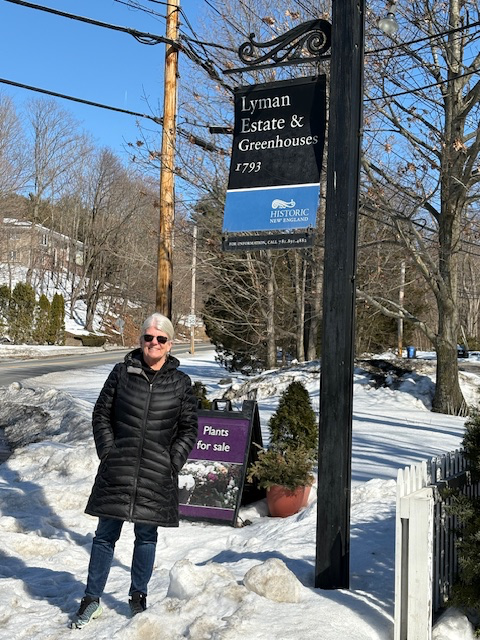
Lyman Estates
In Waltham stands another remarkable site connected to early American horticulture and estate life: The Lyman Estate. This estate preserves one of the finest surviving country houses of the Federal period as well as one of the oldest continuously operating greenhouse complexes in the United States. The estate was built in 1793 for Theodore Lyman, a wealthy Boston […]
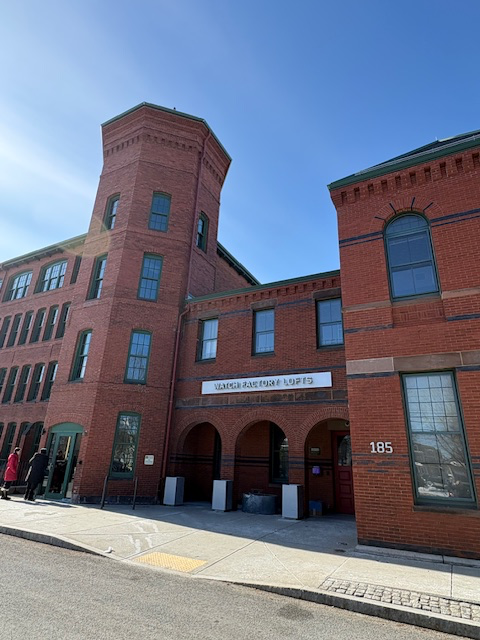
Waltham Watch Company
The great brick factory along the Charles River was once the heart of the Waltham Watch Company, founded in 1850 as the American Horologe Company. It became the first company in the United States to successfully manufacture watches using interchangeable parts, pioneering precision mass production and helping launch the American Industrial Revolution. At its height in […]
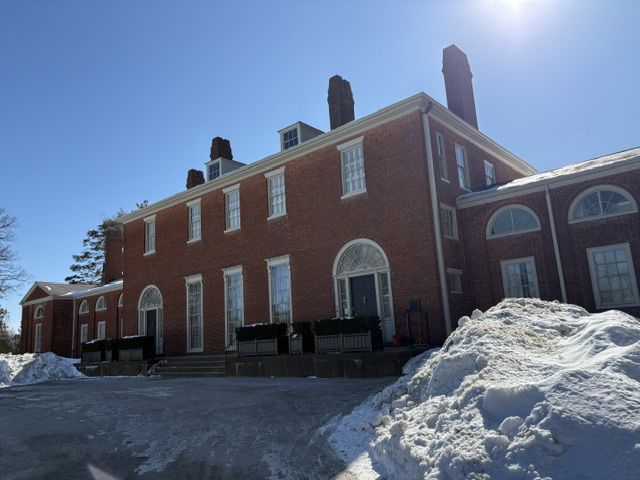
Gore Place
Surrounded by open lawns and mature trees, the Gore Place remains one of the finest surviving Federal-era estates in New England and offers a glimpse into the aspirations of the young American republic. Gore Place was built between 1804 and 1806 for Christopher Gore and his wife, Rebecca Amory Payne Gore. Christopher Gore was one of […]

