Star of War of 1812
Walking through a local cemetery, I noticed something that made me pause: a five-pointed metal star planted beside a grave holding an American flag. Cast into its surface are the words: War of 1812
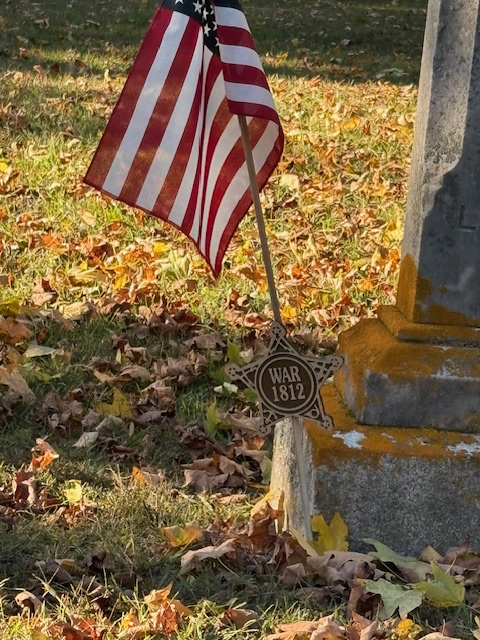
I have come to recognize the familiar markers for Revolutionary War patriots and Civil War soldiers. Those appear often in New England cemeteries. But the War of 1812 is less frequently remembered. Here is a simple star marking the resting place of someone who served in what is sometimes called “the forgotten war.”
The War of 1812 was fought between the United States and Great Britain. Tensions had been building for years because of British interference with American trade, the impressment of American sailors and a lingering sense that independence from Britain was not fully secure.
During the war, British forces burned Washington in 1814, including the White House and Capitol.
Here in Massachusetts, the war was complicated. Many coastal merchants opposed it because British blockades devastated trade in port cities like Salem and Boston. Yet local militias were mobilized, coastal defenses were reinforced and Massachusetts men served on land and sea.
These five-pointed grave markers became popular in the late nineteenth and early twentieth centuries, long after the war had ended. As organized remembrance movements grew, lineage societies and patriotic groups began identifying and marking veteran’s graves.
The War of 1812 may not occupy the same space in public memory, but this small five-pointed star insists on remembrance. It marks the life of someone who stood for a young nation still finding its footing.
Read More From Nancy
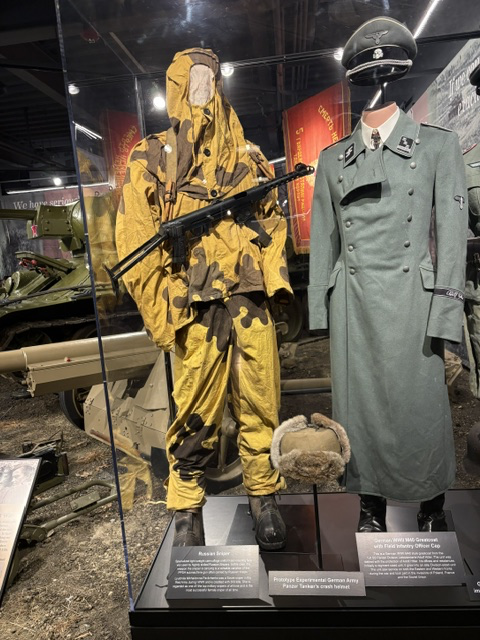
The Russian Sniper
During a visit to the American Heritage Museum in Hudson, Massachusetts, I stopped at this display highlighting one of the most specialized and demanding roles of the Second World War: the Soviet sniper. While the museum is known for its extraordinary collection of tanks and military vehicles, it also tells the human stories behind the equipment through […]

Red Auerbach
This bronze statue honors Arnold “Red” Auerbach, the coach and executive who helped establish the Boston Celtics as one of the most successful franchises in professional sports. Auerbach coached the Celtics from 1950 through 1966, leading the team to nine NBA championships, including an unprecedented eight consecutive titles from 1959 through 1966. Auerbach’s influence extended […]
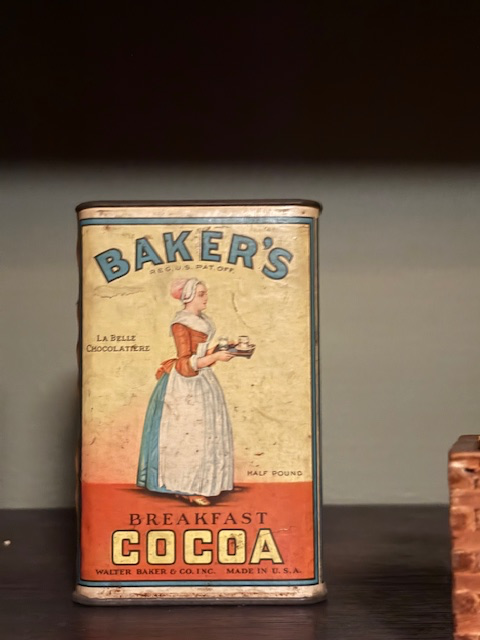
Gibson House Museum – Baker’s Breakfast Cocoa
When visiting the Gibson House Museum in Boston, this colorful tin caught my eye in the kitchen. Baker’s Breakfast Cocoa, the title sparked my curiosity. The tin was produced by Walter Baker & Co, the oldest continuously operating chocolate manufacturer in the United States. Founded in the late 1700s, in Massachusetts, Baker’s became a household […]

