Paterson Great Falls National Historical Park
Driving back from an event in New Jersey, I spotted the familiar brown National Park sign for Great Falls of Paterson. Recognizing that unmistakable marker, I asked Marty to pull off the highway for a newer national park.
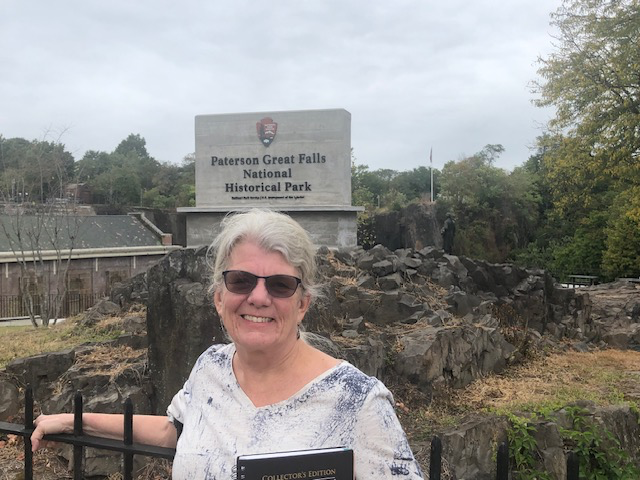
What we found was the Great Falls of the Passaic River plunging about 77 feet. We learned beyond the beauty of the falls lies a significant chapter of early American history.
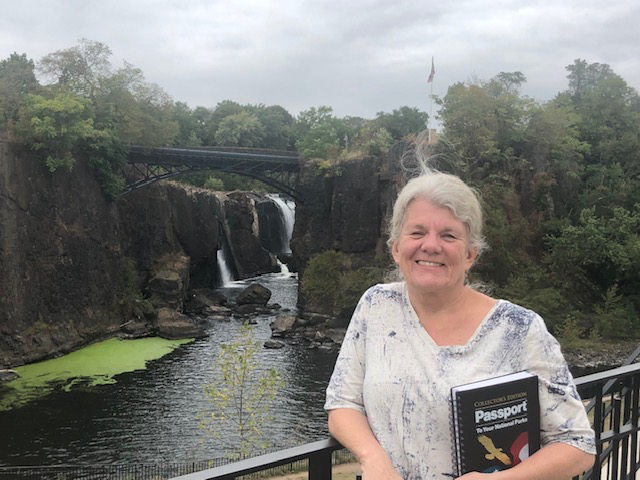
In 1791, Alexander Hamilton, the first Secretary of Treasury, envisioned using the power of the river to fuel American industry and reduce dependence on foreign manufacturing. Peterson became one of the country’s first planned industrial cities. A system of raceways diverted water from the falls to power mills that produced textiles, silk and firearms. By the late 19th century, Paterson was known as “Silk City” and its mills helped drive the American Industrial Revolution.
The site was officially designated a National Historical Park in 2009 and signed into law by Barack Obama. The site was recognized for both the natural power of the falls and their role in shaping the nation’s economy.
History hides in plain sight. A brown sign along the highway and a decision to pull over led us to this site. Exploration is not always carefully planned; sometimes it begins with curiosity. These unplanned stops often lead to a deeper understanding of how water, vision and industry helped shape a young nation.
Read More From Nancy
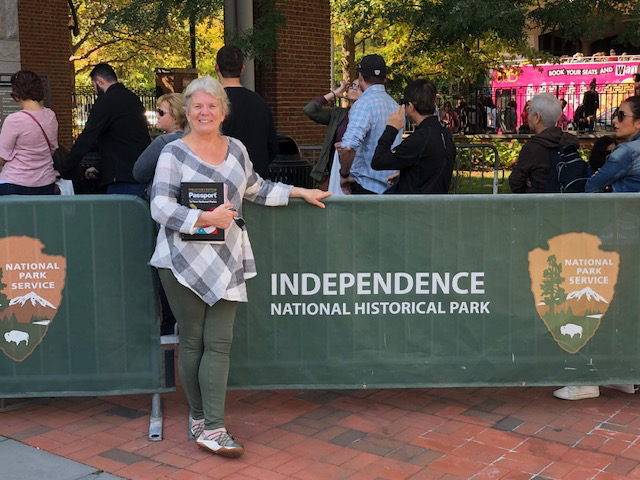
Independence National Historical Park
In the heart of Philadelphia lies the Independence National Historical Park, a place where the foundations of the United States were not just imagined but put into action. This is not a single site, but a collection of buildings and spaces that together tell the story of a nation’s beginning. At its center stands Independence […]
Shenandoah National Park
Shenandoah National Park protects a beautiful section of Virginia’s Blue Ridge Mountains, the easternmost range of the Appalachian Mountains. Forested ridges, rocky summits, waterfalls and deep valleys create a landscape that changes with the seasons and stretches toward the Shenandoah Valley in the west and the Virginia Piedmont in the east. Skyline Drive follows the […]
Monocacy National Battlefield
On July 9, 1864, Union and Confederate forces met along the Monocacy River near Frederick, Maryland. The battle formed part of the third and final Confederate invasion of the North. Lieutenant General Jubal A. Early hoped to threaten Washington, D.C., draw Union troops away from Virginia and possibly influence the approaching presidential election. After learning […]

