Saugus Iron Works National Historic Site
Long before Massachusetts became synonymous with textile mills, industry was already taking root along the Saugus River.
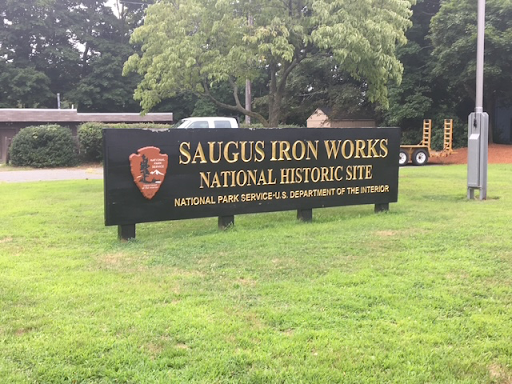
In 1646, a group of English investors organized as the Company of Undertakers of the Iron Works in New England established what would become the first successful integrated ironworks in colonial North America. Their goal was to reduce the colonies dependence on imported iron goods from England and create a self-sustaining industrial enterprise in the New World.
The driving force behind the operations was John Winthrop the Younger, son of the Massachusetts Bay Colony governor. Winthrop secured financing and recruited skilled ironworkers from England and Wales. Among them were experienced ironmasters and craftsmen who understood the complex process of smelting and refining iron.
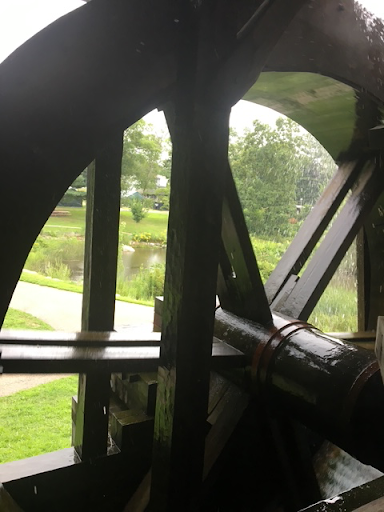
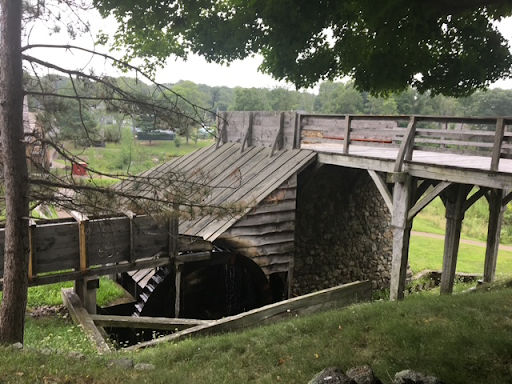
For this time, this was advanced engineering. The concept of harnessing river power to diver heavy industrial machinery was innovative and efficient. The ironworks produced essential goods for the growing colonies, everything from nails, farm tools and household hardware. It demonstrated that large-scale manufacturing was possible in North America decades before the American Revolution.
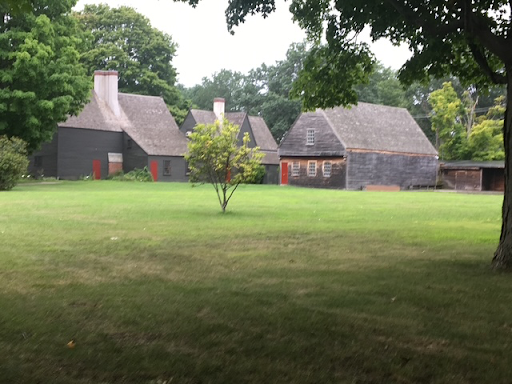
The operation had many challenges including financial difficulties and management conflicts that eventually led to its closure in the 1660s. Despite its relatively short lifespan, it laid the foundational ideas about industrial organization, water-powered manufacturing and colonial self-reliance. These are the principles that later defined Massachusetts’ industry.
The site was restored in the mid-20th century after archaeological work uncovered its foundations, and in 1968 it was designated a unit of the National Park Service and signed into law by President Lyndon B. Johnson.
Massachusetts holds many “first”, and here in Saugus the industrial story of American quietly began.
Read More From Nancy
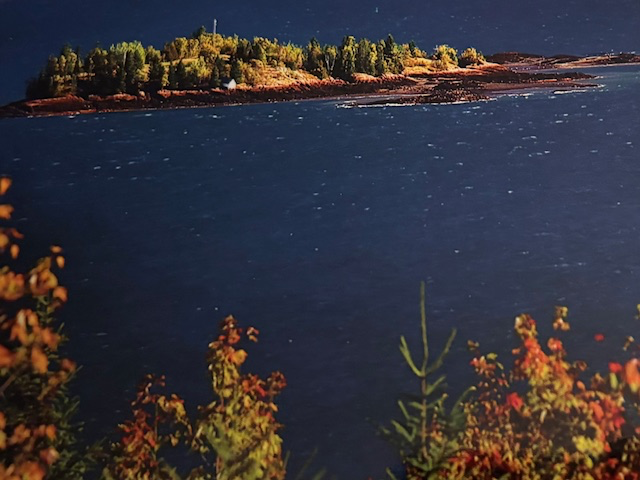
Saint Croix Island International Historic Site
Erin and I drove to Saint Croix Island International Historic Site, a place that marks one of the earliest European settlements in North America. Located along the St. Croix River, this site sits on the border between the United States and Canada, just east of Calais. From the mainland, you look out across the water to […]
Acadia National Park
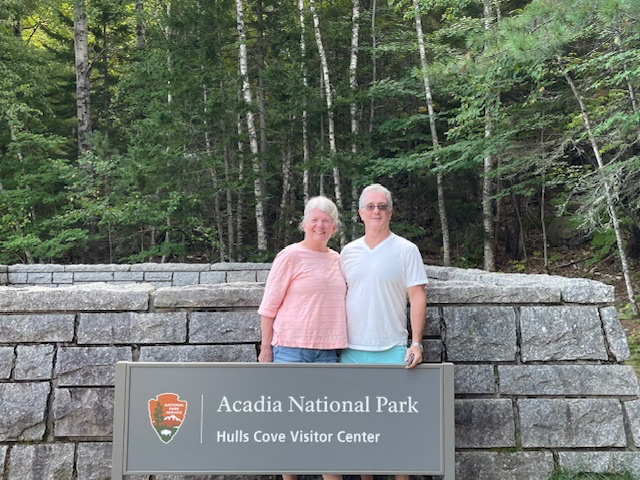
The only designated National Park in the Northeast, Acadia National Park, is another spectacular place. There are sweeping ocean views and granite. Mountains rise from the sea, while waves crash against ancient rock. Long before Acadia became a national park, the rugged coastline and granite mountains of Mount Desert Island drew wealthy summer residents and by […]

John F. Kennedy’s Birthplace
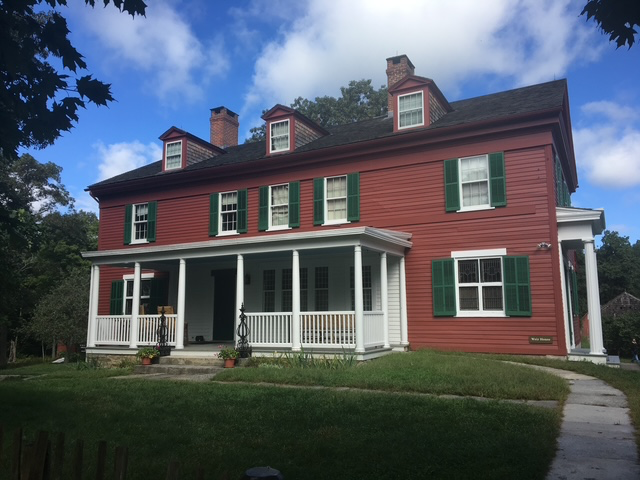
The John Fitzgerald Kennedy National Historic Site in Brookline, Massachusetts offers the opportunity to step into the earliest chapters of that life that would shape world history. Touring this modest home, you are greeted by the recorded voice of Rose Kennedy. She calmly recounts the rhythms and rituals of family life. Through her reflections, the house […]

