San Francisco Maritime National Historical Park
Walking along Aquatic Park in San Francisco, I made my way to the Hyde Street Pier and the visitor center of San Francisco Maritime National Historical Park.
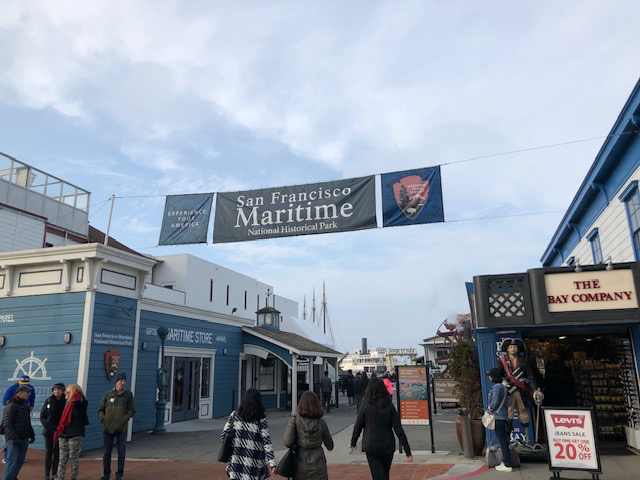
San Francisco’s identity was forged by the sea.
When gold was discovered in 1848, ships began arriving from everywhere: New England, South America, Europe, China, Australia. The sea routes brought not only gold seekers, but lumbar, machinery, textiles, food supplies, and manufactured goods needed to build a city almost overnight.
By 1849 and 1850, San Francisco Bay was crowded with hundreds of vessels. Some were abandoned by crews rushing inland to see fortune. Others were converted into warehouses, hotels and storage. The harbor became a forest of masts.
Inside the visitor center, exhibits explain how San Francisco evolved into a global port city. Trade routes extended across the Pacific to Asia and down the western coast of the Americas.
The park was officially designated a National Historical Park in 1988 and signed by President Ronald Reagan, ensuring long-term preservation of these vessels and the maritime heritage.
Standing on Hyde Street Pier, I realize that nearly everyone who came to early San Francisco arrived by water. The city grew from ambition and opportunity and the courage of those that endured months at sea to reach this harbor.

Read More From Nancy
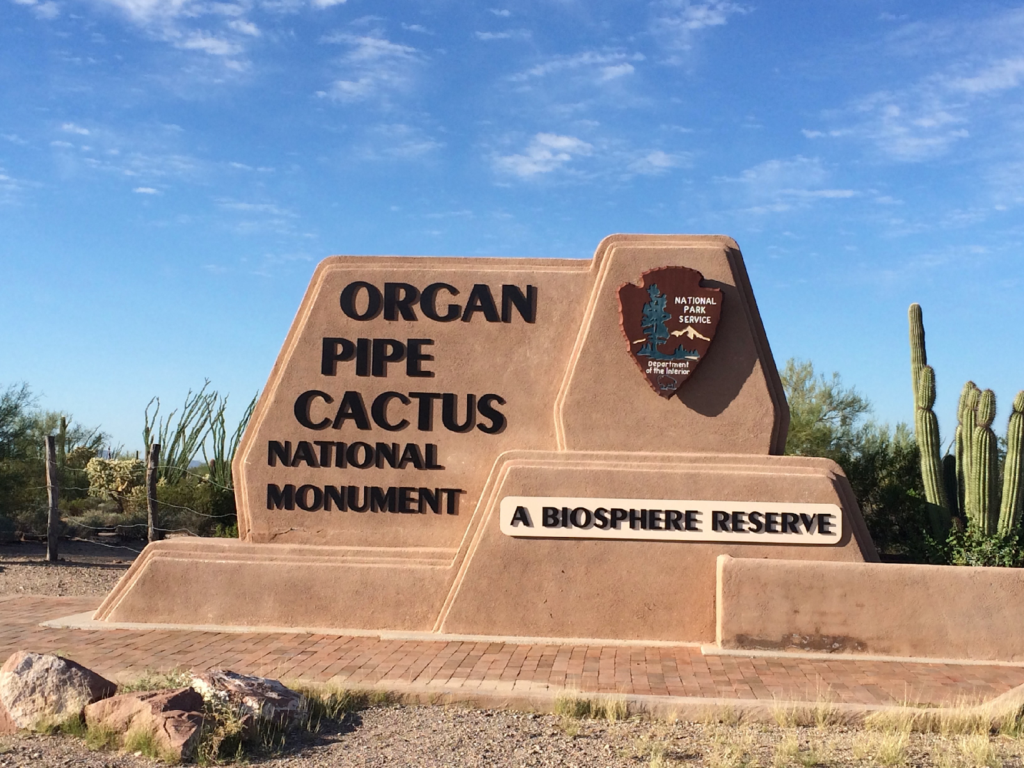
Organ Pipe Cactus National Monument
Driving through Organ Pipe Cactus National Monument at dusk, the landscape does not feel empty, it feels inhabited. As the sun lowers behind the Ojo Mountains, long shadows stretch across the sand. The silhouette of organ pipe and saguaro cacti rise with arms lifted toward a sky painted in amber color. This is the Sonoran Desert, one […]
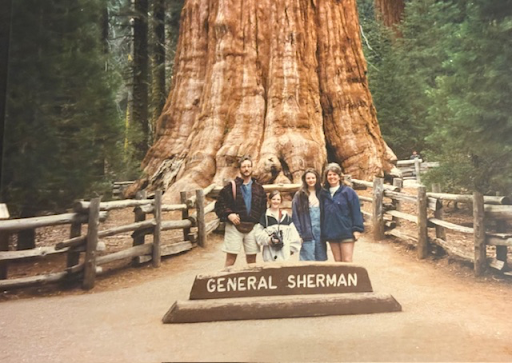
Sequoia National Park
On one of our road trips through California, we stopped at Sequoia National Park to see the General Sherman Tree. Once we discovered the beauty of our national parks, we would seek them out and add these sites to our family travels. They often became the reason we would travel to a particular area, shaping our […]
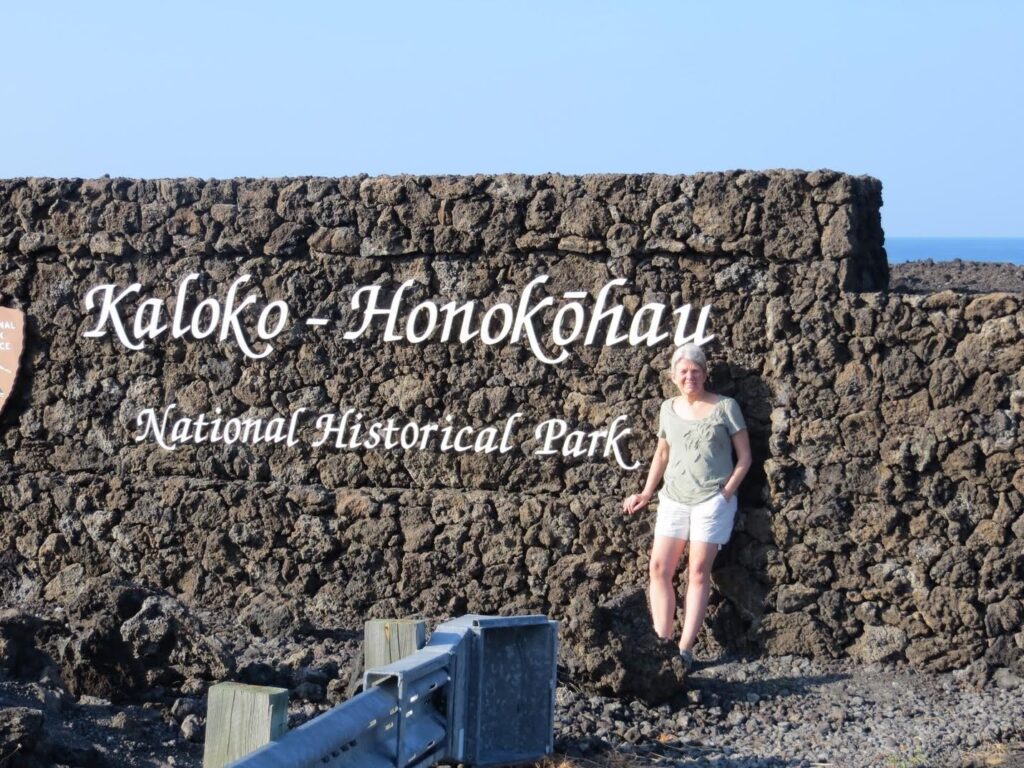
Kaloko-Honokohau National Historical Park
Visiting Kaloko-Honokohau National Historical Park on the Big Island is an encounter with a living cultural landscape that reflects how Natick Hawaiians sustained themselves for centuries in balance with land and sea. In the park are the traditional fishponds built from lava rock and guided by tidal flow. Fish were allowed to enter and grow which provided […]

