Castle Clinton National Monument
Castle Clinton sits at the southern tip of Manhattan in Battery Park, layered with nearly two centuries of American history in a circular stone structure.
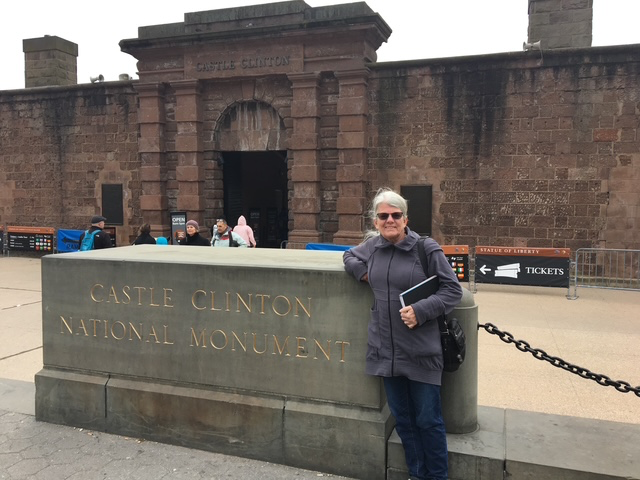
Originally constructed between 1808 and 18111, it was built as a coastal fort to defend New York Harbor during tensions leading up to the War of 1812. At that time, it sood on a small island just offshore. Though it never saw direct combat, it formed part of New York’s harbor defense system.
After the war, its purpose shifted. In 1824 it reopened as Castle Garden, one of the nation’s first major entertainment venues. Thousands attended concerts and events, including performances by opera star Jenny Lind under the promotion of P.T. Barnum.
Its most significant chapter began in 1855, when it became the country’s first official immigration station. Before Ellis Island opened in 1892, more than 9 million immigrants entered the United States through Castle Garden. For many families, this was the first step onto American soil.
Later it served as the New York Aquarium before falling into disrepair. In 1946, President Harry S. Truman proclaimed it a National Monument, preserving its layered history. It officially came under the National Park Service in 1950.
Few sites have served so many roles: military fort, performance hall, immigration gateway, aquarium and now national monument.
Read More From Nancy
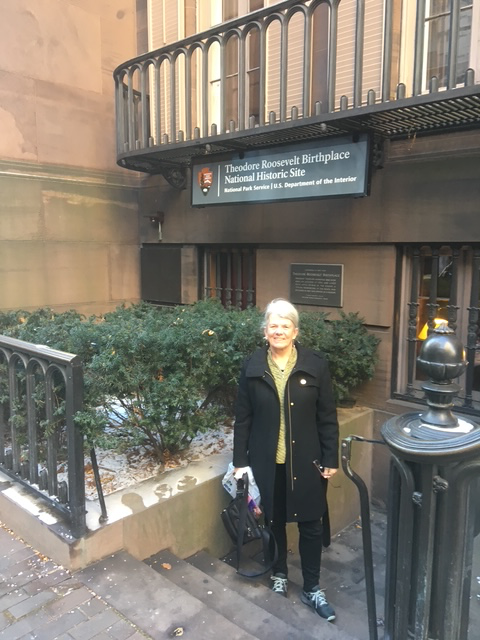
Theodore Roosevelt Birthplace National Historic Site
Theodore Roosevelt was born on October 27, 1858, in a brownstone home on East 20th Street in Manhattan. Though the original house was demolished in 1916, it was reconstructed in the 1920s on the original site, using photographs, family memories and original furnishings to recreate the homes it would have appeared during his childhood. The house reflects the […]
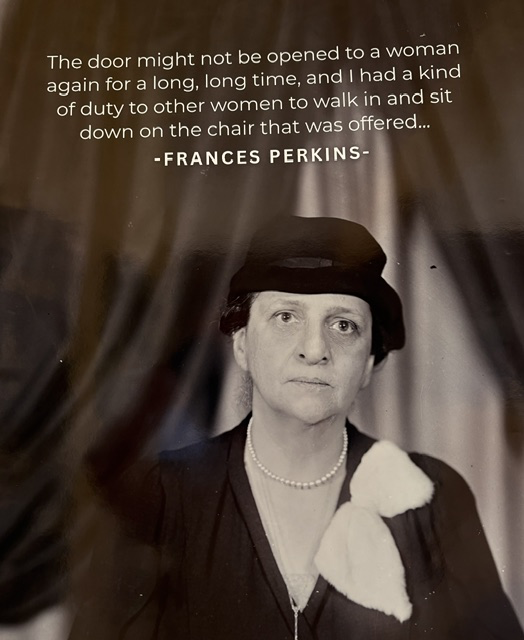
Frances Perkins National Monument
The exhibits at the Frances Perkins homestead helped me understand the woman behind the accomplishments. Long before she became the first woman to serve in a presidential cabinet, Perkins had been shaped by education, social reform, personal hardship and a growing conviction that the government had a responsibility to protect people who could not always […]
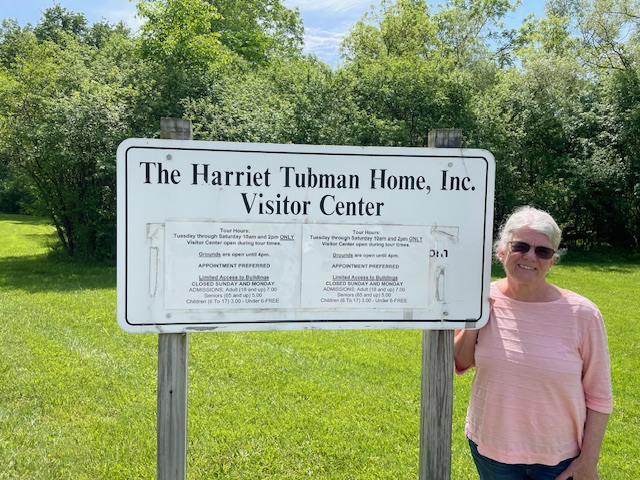
Harriet Tubman National Historic Site
When I visited the Harriet Tubman Visitor Center in Upstate New York in 2024, I was familiar with her daring rescue stories and her work with the Underground Railroad. I learned more about the remarkable courage of her life after those dangerous journeys. Her story did not end when she stopped guiding enslaved people to freedom. […]

