White Sands National Park
White Sands is one of those landscapes that feels almost otherworldly as there is wave after wave of white dunes stretching across the Tularosa Basin in southern New Mexico. What surprised us most was these dunes are not sand but are made of gypsum. Gypsum is a soft mineral that usually dissolves in water, but here, because of the climate, it remains and accumulates.
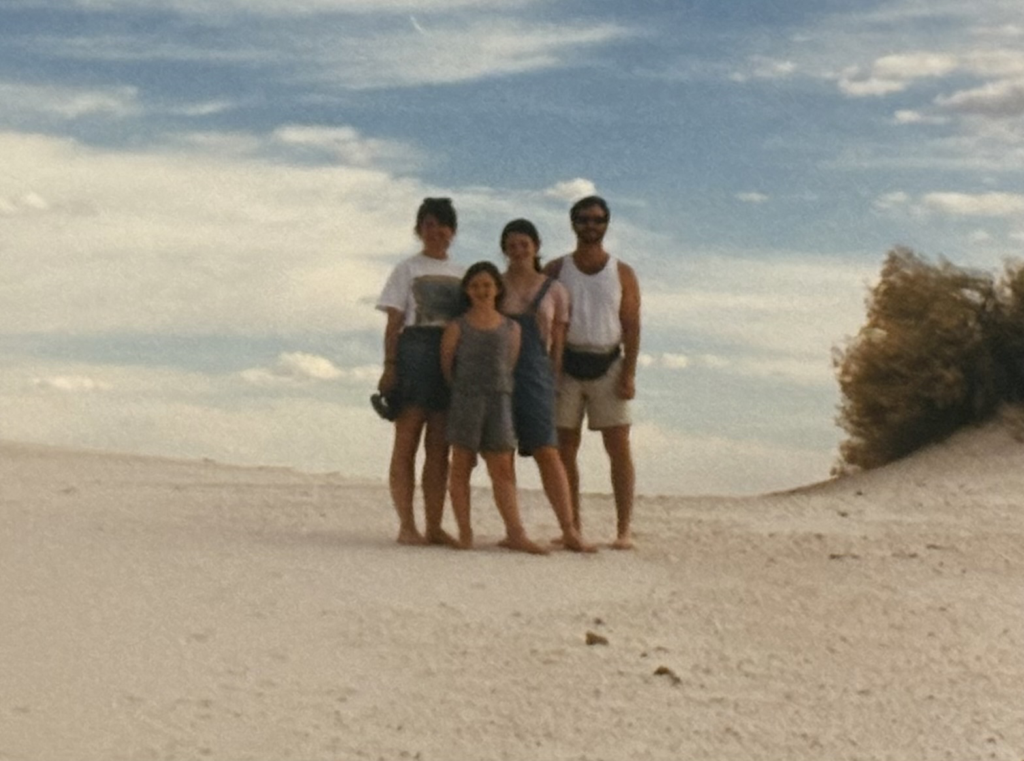
The White Sand story begins millions of years ago when this region was covered by an inland sea. As the sea evaporated, it left behind thick gypsum deposits in the mountains. Rain dissolved that gypsum and carried it down into the basin where it collected in a low-lying lakebed. As the water evaporated, crystals formed. Wind broke those crystals into fine grains and pushed them into this vast dune field. The result is the largest gypsum dune field in the world, covering about 275 square miles.

The sand stays cooler than typical desert sand which adds to the park’s surreal quality. It is a place that invites wandering, barefoot climbs, and sledding down dunes. There are no trees, or cliffs just white horizons stretching in every direction.
White Stands was first protected in 1933 when President Herbert Hoover designated it a national monument. In 2019, it was redesignated as a national park, recognizing both its unique geology and ecological importance.
This was one national park that far exceeded our expectations. It was the kind of stop that reminds us how wonderfully unexpected exploring our national parks can be.
Read More From Nancy
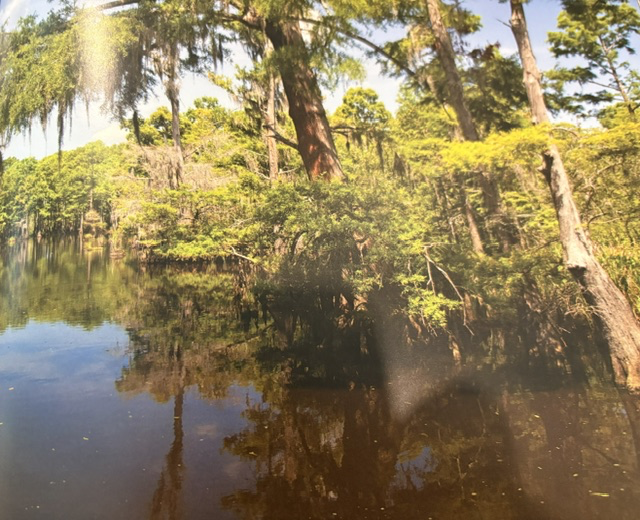
Big Thicket National Preserve
Big Thicket appears to be a single forest stretching across southeast Texas. However, it is something far more remarkable. This is a place where forests, prairies, wetlands, bayous, and bogs exist side by side, creating one of the most biologically diverse landscapes in North America. Established in 1974 as the nation’s first National Preserve, Big […]
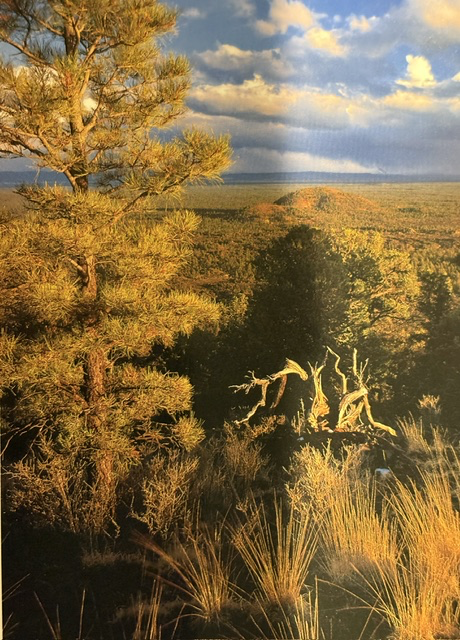
El Malpais National Monument
One of the striking landscapes we encountered at El Malpais National Monument in western New Mexico was the view of the volcanic cinder cones rising above a sea of lava flows, grasslands, and forests. Created by eruptions thousands of years ago, these cones are part of a vast volcanic field that has shaped the region’s […]
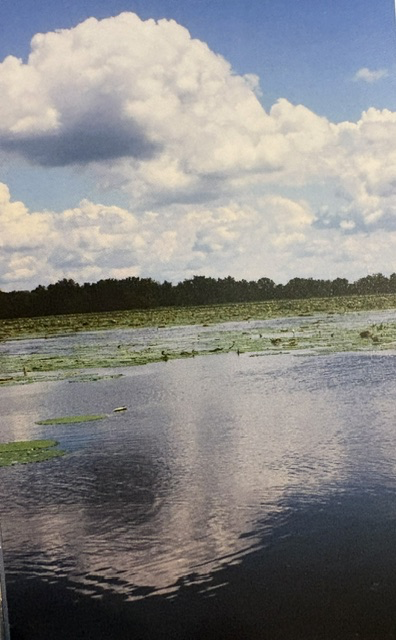
Arkansas Post National Memorial
Some places quietly witnessed the turning points of history long before they became part of the United States. Arkansas Post is one of those places. Arkansas Post National Memorial was established on July 6, 1960, to preserve the site of the first permanent European settlement in the lower Mississippi Valley west of the river and […]

