Field of Rocking Horses
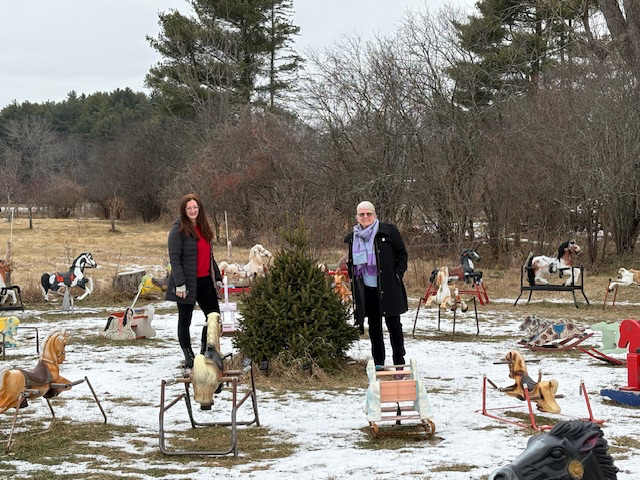
Driving through the quiet back roads of Lincoln, we came suddenly upon an open field dotted with a whimsical collection of rocking horses. The display feels unexpected, especially in a town better known for its colonial roots, preserved landscapes and literary connections.
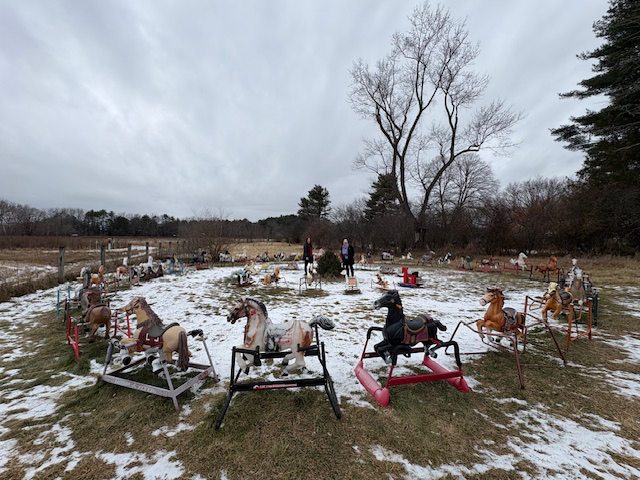
The horses themselves feel like folk art arranged outdoors thatcher than tucked into a gallery. We stumbled upon them while driving past. The rocking horses feel entirely at home here, they don’t interrupt the landscape, they animate it.
Most of the discoveries I find in small towns are marked with plaques and explanations. In a region filled with battle roads, colonial houses and solemn memorials, these rocking horses offer a different kind of landmark: one rooted in delight. On a quiet Lincoln road this field of rocking horses becomes a pause in the day and a reason to simile.
Read More From Nancy
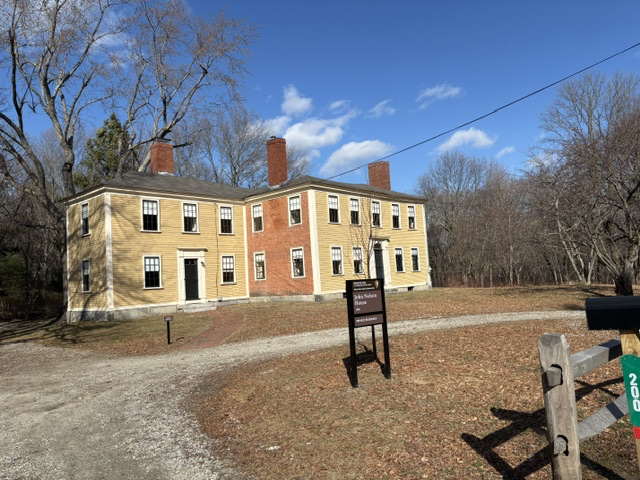
The John Nelson House
When most people visit Minute Man National Historical Park, they come to experience the events of April 19, 1775. Yet scattered throughout the park are homes that tell another story: the story of what happened after the Revolution. The John Nelson House is one of them. Built beginning around 1808, the house stands on land […]
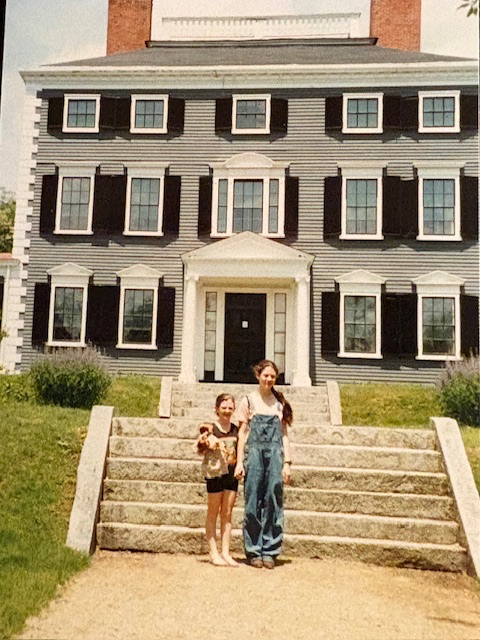
Codman Estate
The Codman House in Lincoln, known as The Grange, stands as one of the most elegant and layered historic homes in Massachusetts, and is another home that we have visited often. There is something about returning to a place like this that deepens appreciation with each visit. Build around 1747, and later expanded, the house […]
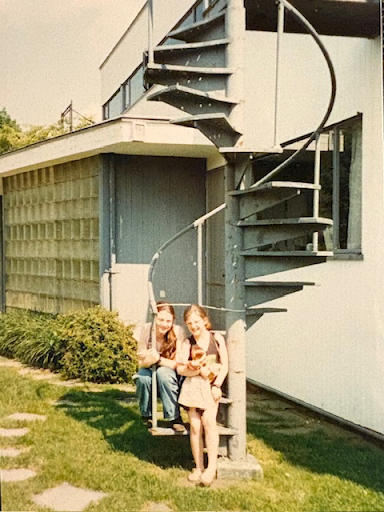
Gropius House
We have visited the Gropius House in Lincoln several times, and often the tours were international. More than once, we found ourselves alongside visitors from Europe, particularly Germany, drawn here because of the reputation of the man who designed and lived in this remarkable home. The house was built in 1938 by Walter Gropius, one of […]

