The Garden Room — John Greenleaf Whittier’s Writing Room
Books fill the shelves, portraits hang above the furniture, and a rocking chair stands near the stove in John Greenleaf Whittier’s Garden Room. The writing desk occupies one corner of a space that feels personal and comfortably furnished, a room for reading, reflection, and the daily work of a writer.
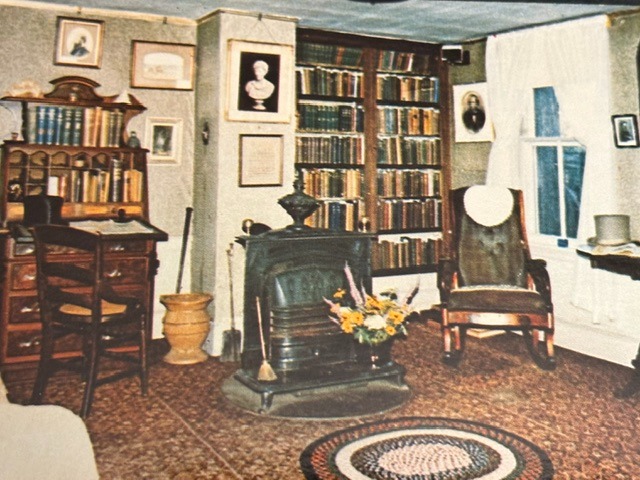
The study was added in 1847, replacing a small bedroom previously occupied by Whittier’s aunt Mercy. Its construction required removing some of his prized pear trees, giving the Garden Room its name. A doorway connected the new room with an outside porch.
Here Whittier wrote Snow-Bound, published in 1866. Although composed in Amesbury, the poem returned to his childhood home in Haverhill, recalling a family gathered indoors while a winter storm enclosed the farmhouse. The distinction is meaningful: this was the room where he wrote, while the people and setting he remembered belonged to an earlier home. The poem’s success finally brought him greater financial comfort.
The Garden Room also supported a much broader writing life. Whittier’s poetry, prose, and editorial work connected this domestic space with public affairs, including his commitment to abolition. A walking stick preserved in the room was made from wood taken from Pennsylvania Hall, linking a personal possession with that struggle.
The books, chairs, portraits, and familiar objects help give his work a physical setting. Whittier’s words reached readers far beyond Amesbury, but much of the effort behind them took place here, in a room made by extending a home into its garden.

Read More From Nancy
Arrowhead
I’ve visited Arrowhead a couple of times over the years, and each visit leaves me with a deep appreciation of the home and the life that lived within its rooms. Nestled among the hills of Pittsfield, MA, this farmhouse holds an important chapter in American literary history. It was here, from 1850 to 1863, that Herman […]
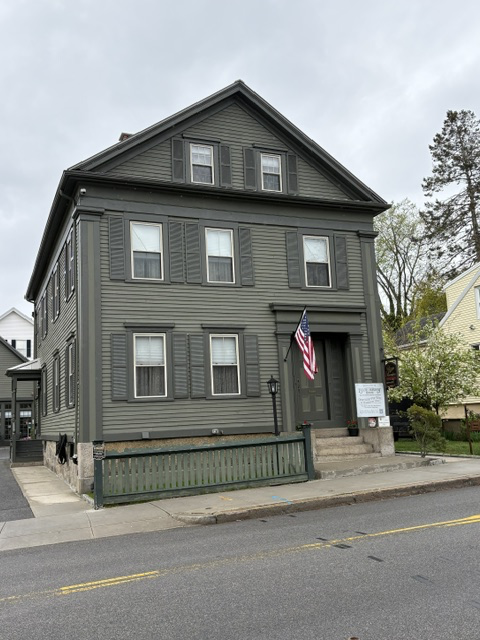
The Lizzie Borden House
The Lizzie Borden House is one of the most infamous true-crime sites in American history. Located in the heart of Fall River, this modest Victorian home became the scene of the brutal 1892 murders of Andrew and Abby Borden, a crime that remains officially unsolved more than a century later. On August 4, 1892, Andrew Borden and […]
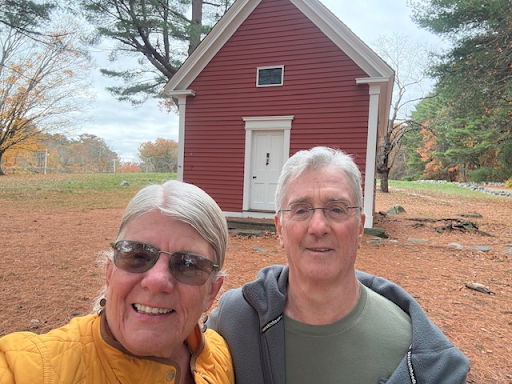
The Red Stone School
When Henry Ford purchased the Wayside Inn in 1923, he saw more than an old colonial tavern, he saw the beginnings of a “living village”. He wanted a place where the essential virtues of early American life could be preserved. He wanted a community in which each building represented a foundation value. This schoolhouse would be the place where discipline […]

