Kaloko-Honokohau National Historical Park
Visiting Kaloko-Honokohau National Historical Park on the Big Island is an encounter with a living cultural landscape that reflects how Natick Hawaiians sustained themselves for centuries in balance with land and sea.
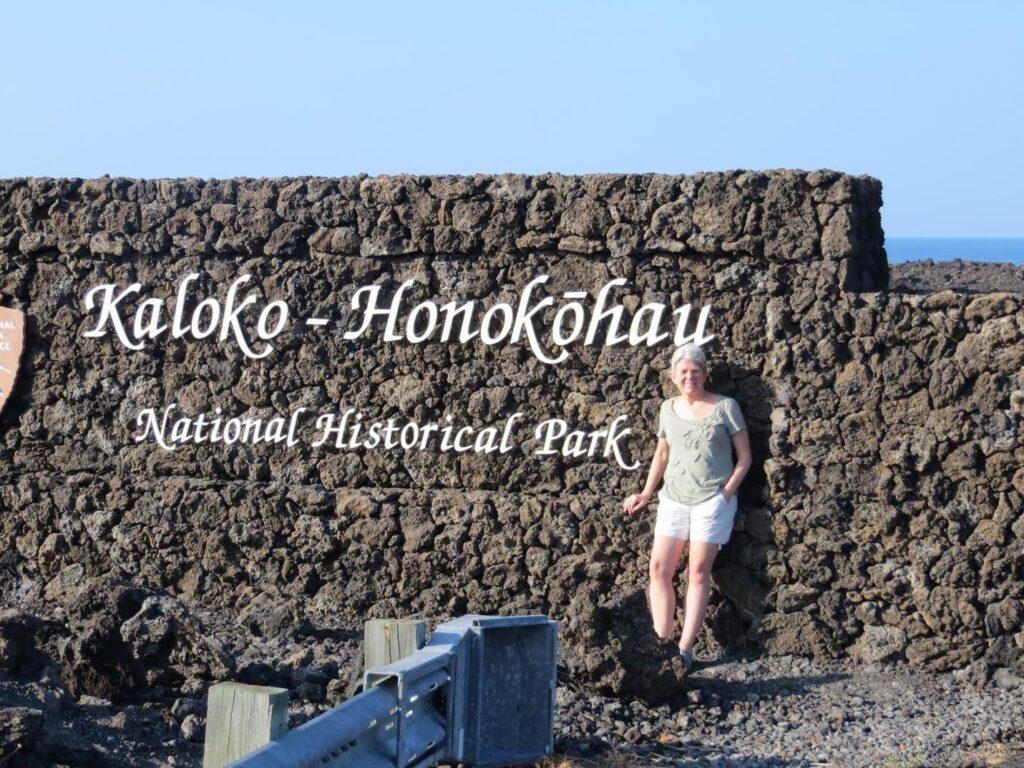
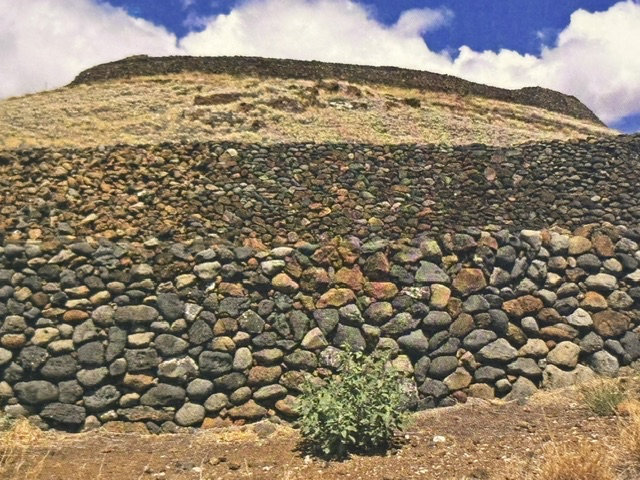
In the park are the traditional fishponds built from lava rock and guided by tidal flow. Fish were allowed to enter and grow which provided a renewable food source. The surrounding lava fields hold the imprint of everyday life: house platforms, petroglyphs and the remains of a village.
Recognizing the national significance of this place, Jimmy Carter signed legislation in 1978 establishing Kaloko Honokohau as a National Historical Park. This designation marked a growing acknowledgement that indigenous knowledge systems are central to the American story and deserve to be protected.
Read More From Nancy
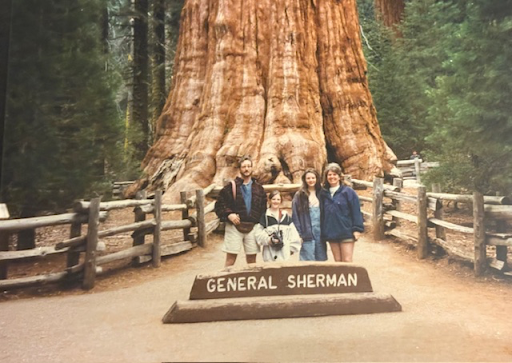
Sequoia National Park
On one of our road trips through California, we stopped at Sequoia National Park to see the General Sherman Tree. Once we discovered the beauty of our national parks, we would seek them out and add these sites to our family travels. They often became the reason we would travel to a particular area, shaping our […]
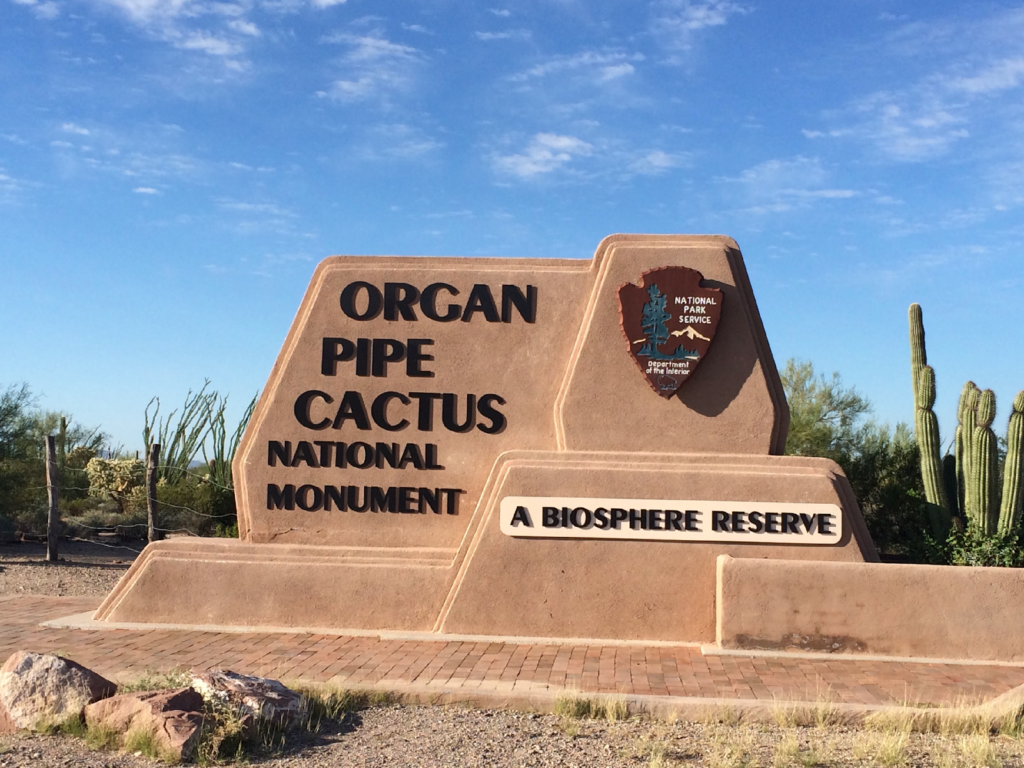
Organ Pipe Cactus National Monument
Driving through Organ Pipe Cactus National Monument at dusk, the landscape does not feel empty, it feels inhabited. As the sun lowers behind the Ojo Mountains, long shadows stretch across the sand. The silhouette of organ pipe and saguaro cacti rise with arms lifted toward a sky painted in amber color. This is the Sonoran Desert, one […]
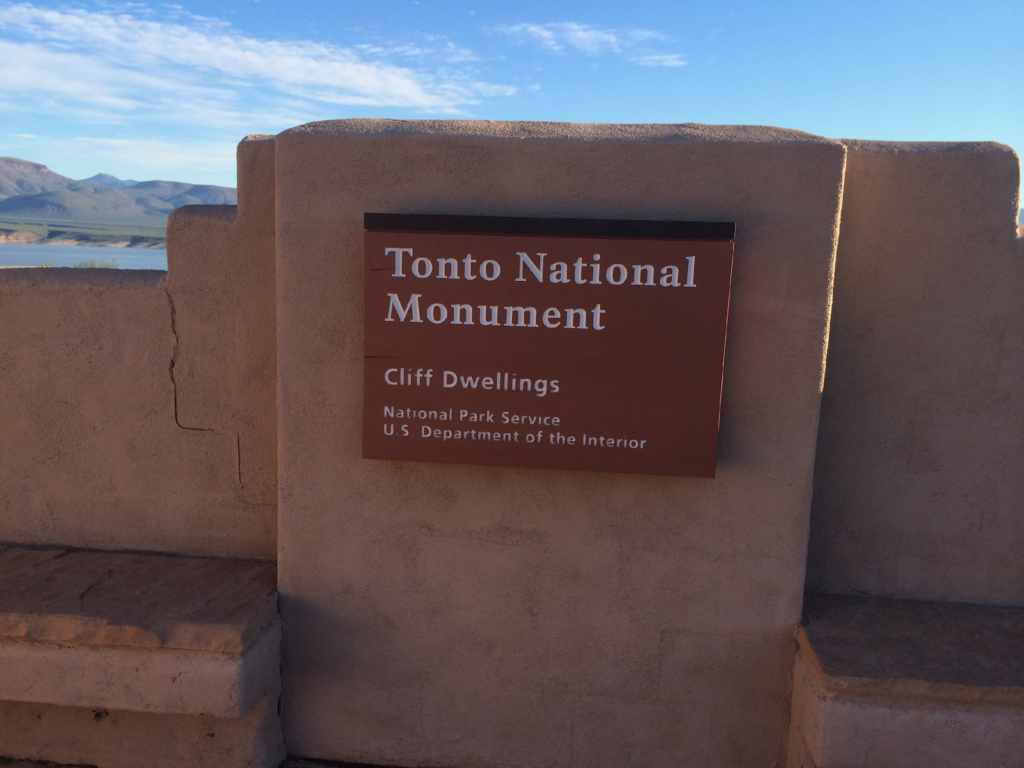
Tonto National Monument
Tonto National Monument preserves dramatic cliff dwelling built by the Salado people in the late 1200s and early 1300s. The site is located in central Arizona, in the Sonoran Desert. The monument protects two primary cliff dwellings constructed within natural limestone alcoves high above the valley floor. The multi-room masonry homes were built on local stone and […]

