The American Mercury: From Literary Criticism to Political Commentary
1924Dearest Reader,
The American Mercury began in 1924, founded by journalist and critic H. L. Mencken and theater critic George Jean Nathan, with Alfred A. Knopf as publisher. The two editors had previously worked together on The Smart Set. Their new magazine brought together literature, reporting, humor, and criticism of American society.
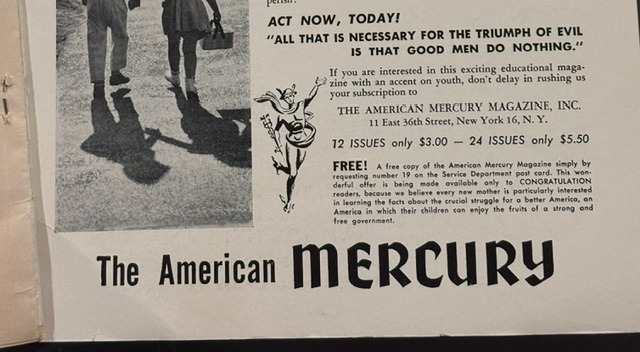
“Mercury” belonged to a longstanding tradition of publication names associated with delivering news and ideas. Mencken also liked the title’s respectable sound. In explaining the choice to writer Theodore Dreiser, he described wanting a dignified exterior that would leave room for provocative material inside.
The early magazine had a distinctly libertarian streak. It challenged censorship, Prohibition, moral policing, and efforts to regulate private behavior. Its criticism frequently targeted the hypocrisy of people who claimed authority over how others should live. This placed it at odds with many socially conservative attitudes of the 1920s.
Its opposition to censorship became national news in 1926. After Boston authorities banned an issue containing Herbert Asbury’s “Hatrack,” a story involving a prostitute and religious hypocrisy, Mencken deliberately sold a copy in the city. His arrest turned the dispute into a public confrontation over freedom of expression.
The magazine also challenged cultural conformity and narrow ideas about whose experiences belonged in print. Contributors included Dorothy Parker and James Weldon Johnson, alongside people writing from occupations and circumstances far removed from established literary circles. Mencken’s own sharp, mocking commentary helped make it a prominent publication.
Calling it libertarian describes part of its outlook, but not a consistent political platform. Mencken distrusted government activism while also expressing contempt for mass democracy. His individualism existed alongside political elitism. The magazine’s varied contents resist a simple identification with today’s liberal or conservative camps.
Mencken retired as editor in 1933. Later editors and owners reshaped the publication, and around 1950 William Bradford Huie gave it an explicitly conservative direction. Anti-communism became an important theme. Businessman Russell Maguire acquired it in 1952, introducing another consequential change in leadership.
Under Maguire, the magazine moved further right. Editorial disputes followed, including resignations in 1955 amid concerns about the introduction of antisemitic material. These developments marked a substantial departure from the magazine’s earlier literary identity and cannot be explained by Cold War fears alone. Ownership and editorial decisions shaped its course.
The original print magazine ceased publication in 1981. A separate online revival using the name began in 2010. Its history therefore encompasses several distinct publications under one title: an influential literary and cultural review, a conservative political magazine, and a later extremist direction that damaged its reputation.
Dr. Nancy Watson
Washington
Read More From Nancy
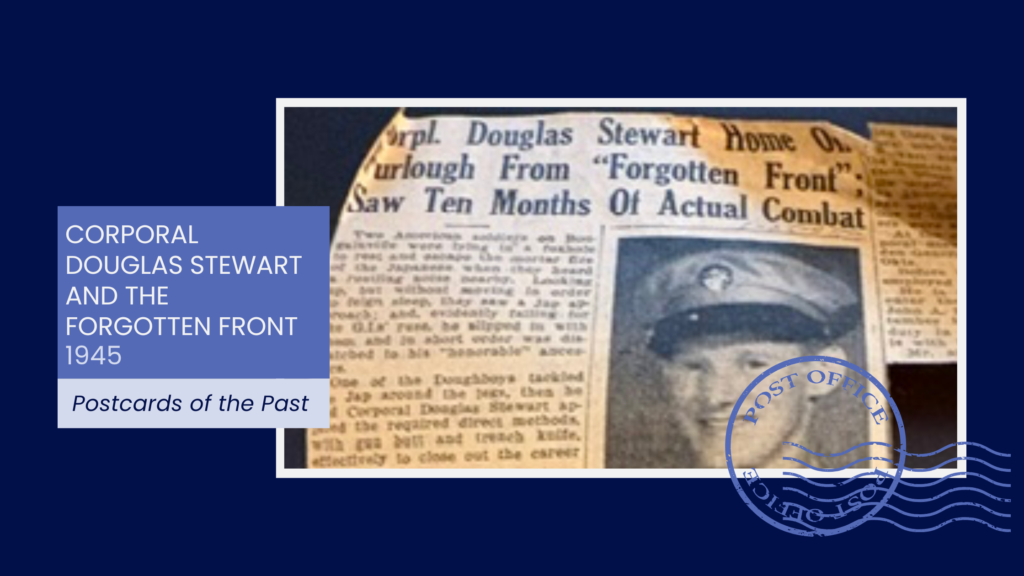
Corporal Douglas Stewart and the Forgotten Front
Among the wartime newspaper clippings preserved by my parents is this article about Corporal Douglas Steward, a serviceman from the Martinsburg area who returned home on furlough after serving on what the newspaper calls the “Forgotten Front” of World War II. The article recounts Stewart’s experiences in the Pacific Theater, where he spent months in active combat in […]
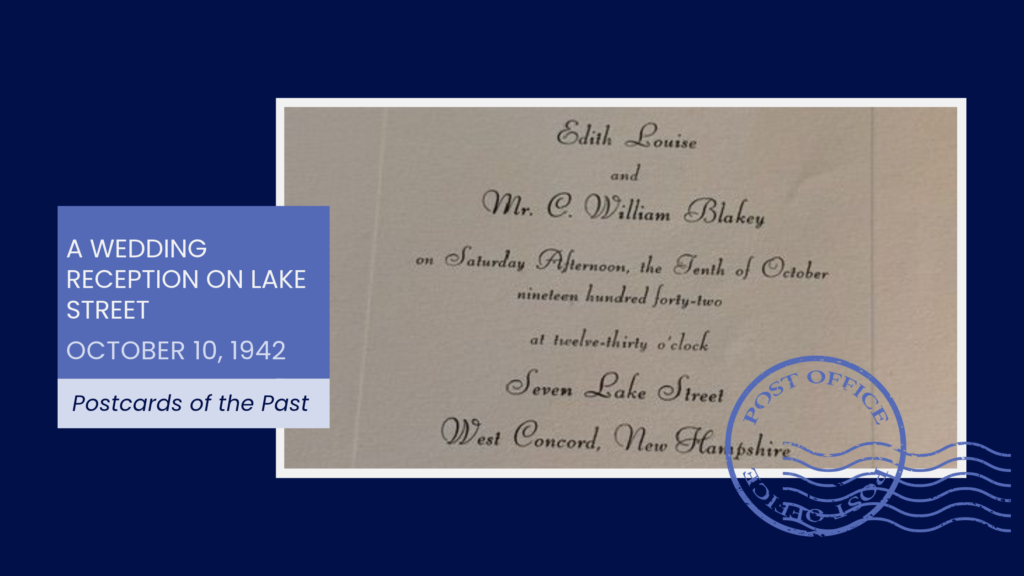
A Wedding Reception on Lake Street
Among the wedding invitations my mother saved is one from Mr. and Mrs. Thomas Henderson. They invited her to the reception for their daughter, Edith Louise, and C. William Blakey on Saturday, October 10, 1942. The reception was to begin at half past twelve at Seven Lake Street in West Concord, New Hampshire. The invitation […]
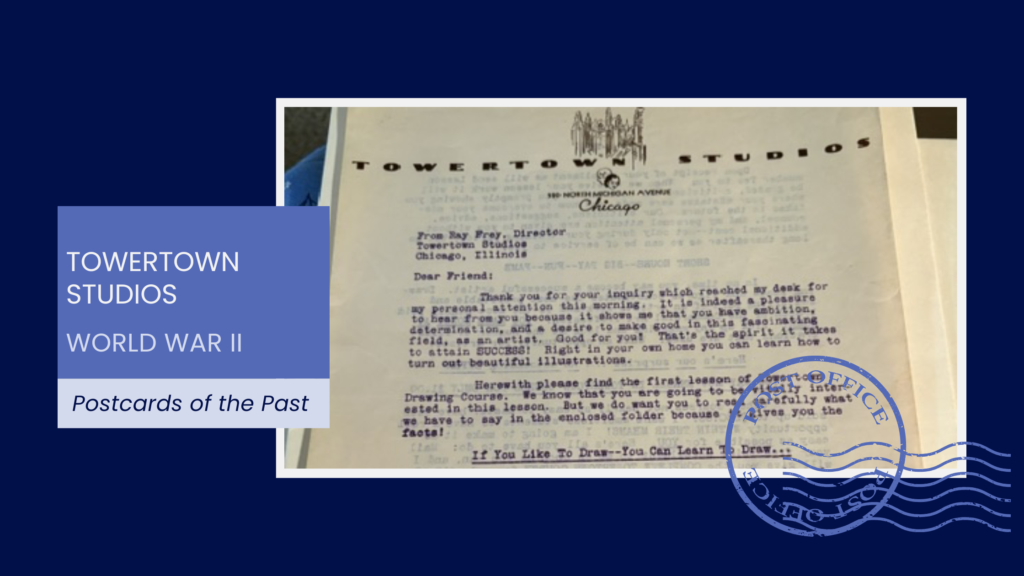
Towertown Studios
Among my father’s papers is this letter from Towertown Studios in Chicago promoting a correspondence course in drawing. By itself, it might seem like nothing more than an old piece of advertising mail. But knowing when my father received it gives it a much more personal meaning. This was part of the mail arriving while […]

