Crater Lake National Park
I visited Crater Lake National Park on one of my solo excursions. It was one of those places I wished I had shared with someone else. The color of the lake matched the bluest of skies as I walked along the rim, a blue so intense it almost felt unreal.
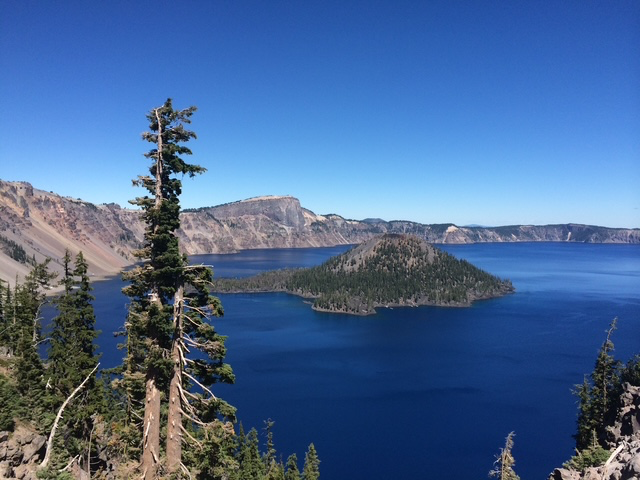
There are no rivers flowing in or out of Crater Lake. The lake exists almost entirely on its own, fed by rain and snow. This purity is what gives it its extraordinary color and clarity. Standing at its rim, you are looking down nearly 2,000 feet into the remains of a collapsed volcano.
The story of this place stretches more than 7,700 years, when Mount Mazama erupted in one of the most violent volcanic events in North America. The eruption emptied the magma chamber beneath the mountain, causing the summit to collapse inward and form the massive caldera that now holds Crater Lake. Over centuries, snowmelt and rainfall slowly filled the basin, creating what is now the deepest lake in the United States.
Crater Lake officially became a national park on May 22, 1902, when Theodore Roosevelt signed the legislation establishing it as America’s firth national park. Roosevelt, a passionate conservationist, understood the importance of protecting this awe-inspiring landscape.
Read More From Nancy
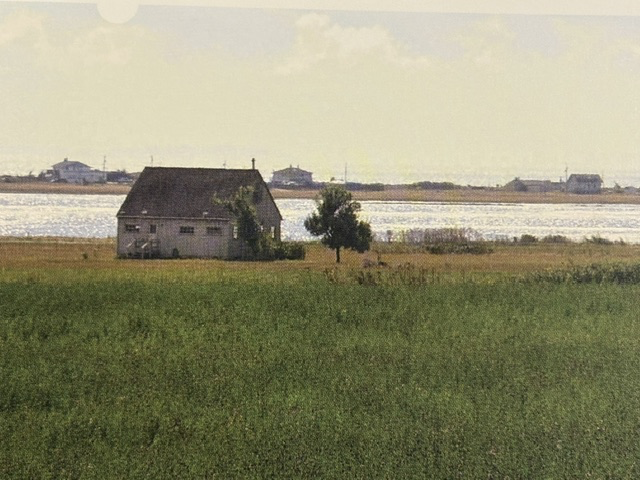
Ebey’s Landing National Historical Reserve
Ebey’s Landing National Historical Reserve on Whidbey Island preserves a landscape where the history of the Pacific Northwest can still be seen in the land itself. Open fields stretch toward Puget Sound, historic farm buildings remain part of the countryside, and forests and shoreline surround communities whose stories reach back generations. In 1792, Captain George […]
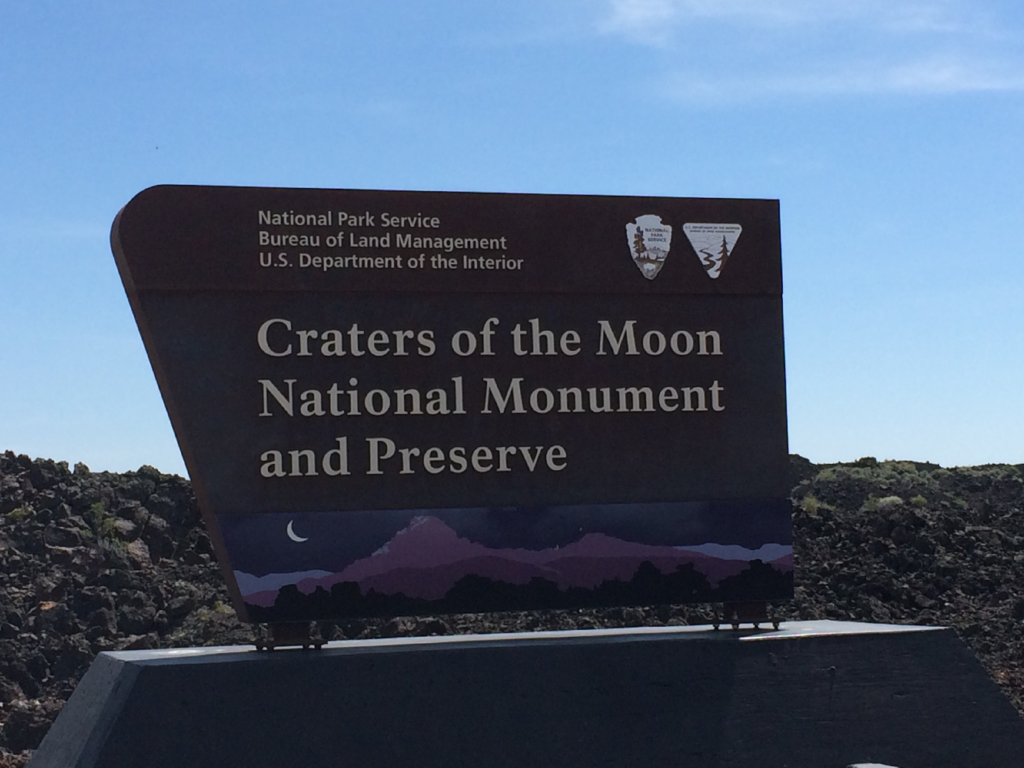
Craters of the Moon National Monument
Another solo driving tour took me through Idaho. There were early mornings on those roads when the light stretched across open land and I found myself wishing someone else could see what I was seeing. Some landscapes feel almost too vast to keep to yourself. I knew there was no way I could fully describe it. […]
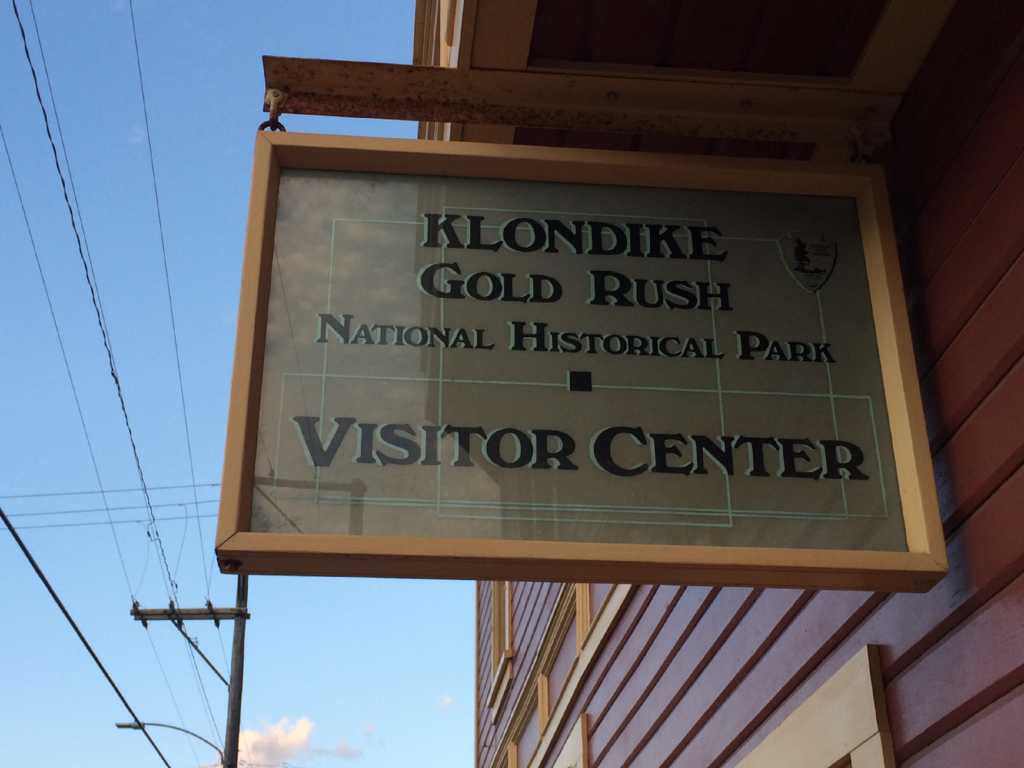
Klondike Gold Rush Historical Park
The Seattle Visitor Center of the Klondike Gold Rush Historical Park sits in Pioneer Square, inside the historic Cadman Building. This was the heart of a young city eager for opportunity. When news of gold discoveries in the Yukon reached the United States in 1897, Seattle seized the moment. Newspapers declared the city the “Gateway […]

