The Burren Centre
During our trip to Ireland years ago, we visited the Burren Centre in Kilfenora, a village in County Clare. The centre offered an introduction to a region whose rocky landscape holds a remarkable combination of natural and human history.
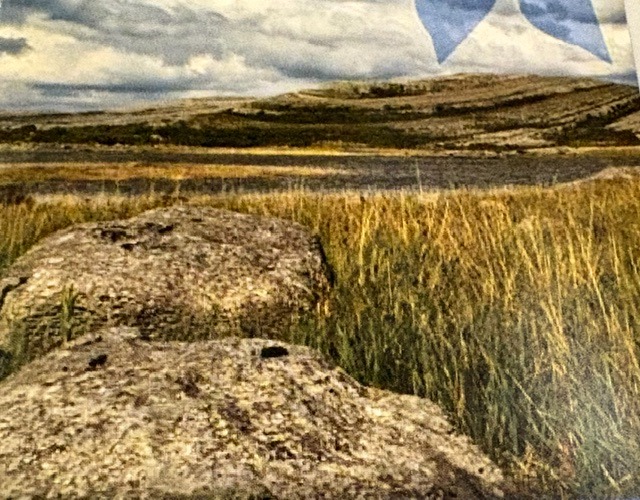
Established in 1975 as a locally owned cooperative enterprise, the centre grew from a community effort to help visitors understand the Burren. Its exhibitions brought together subjects that might otherwise seem separate: limestone formations, distinctive plants, archaeological remains, farming, and the traditions of local communities.
The Burren’s exposed limestone can appear stark from a distance, but its cracks and sheltered pockets support an extraordinary variety of plant life. Understanding the landscape requires looking beyond its rocky surface to the relationships among geology, water, vegetation, and generations of land use.
Human history is equally important. Megalithic tombs, stone forts, churches, and field boundaries preserve evidence of people living and working here over thousands of years. These remains show that the Burren has long been an inhabited landscape, shaped by practical needs as well as spiritual beliefs.
The centre’s location in Kilfenora places this regional story within a historic community known for its cathedral, carved high crosses, and musical traditions. It connects the surrounding countryside with the people who have helped give it meaning.
Our visit was one stop during a much larger journey through Ireland. The centre provided a way to understand the Burren as a place where natural processes and human activity have been intertwined for centuries.

