The New York Botanical Garden
We have visited the New York Botanical Garden many times over the years. Each visit offers something different, but we especially enjoy returning when the roses are in bloom in the Peggy Rockefeller Rose Garden. Walking among its flowering beds has become one of our favorite ways to experience this remarkable place.
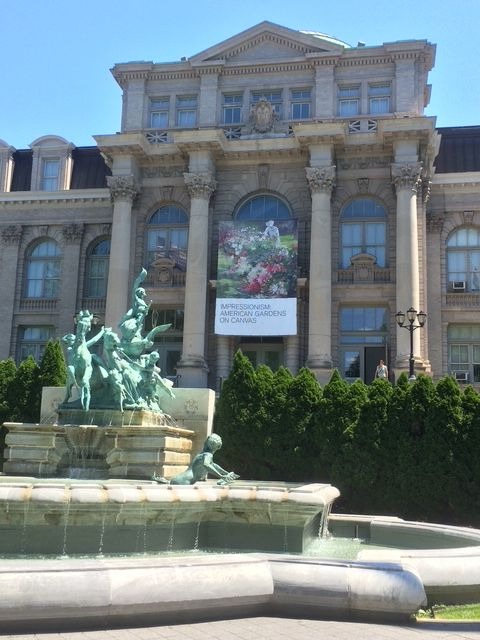
Founded in 1891, the New York Botanical Garden occupies 250 acres in the Bronx. Its international standing rests on a combination of carefully maintained gardens, botanical collections, scientific research, conservation, and education. A National Historic Landmark, it preserves both designed landscapes and natural areas within New York City.
The grounds change throughout the year. The Enid A. Haupt Conservatory, which opened in 1902, houses plants from different climates beneath its glass roof. Outside, cultivated gardens contrast with a fifty-acre old-growth forest. Together, they bring carefully designed landscapes and surviving natural woodland into the same place.
The grand library building and the Fountain of Life add another dimension to the grounds. Completed in 1905, the fountain combines bronze figures and mythological sea creatures in a lively composition. These features are part of what makes the Botanical Garden interesting to explore: its history includes architecture and art alongside the plants.
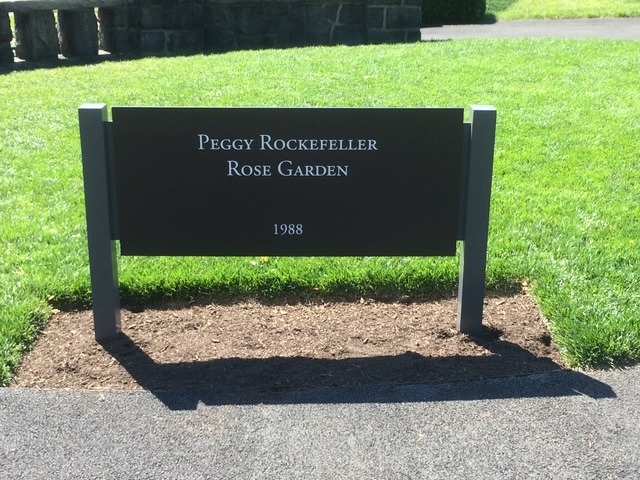
For us, though, the rose garden is a particular draw. Landscape architect Beatrix Farrand designed it in 1916, but her original plan was only partially completed. In 1988, support from David Rockefeller made it possible to finish the design. The garden was named for his wife, Peggy, a horticulturist and conservationist who loved roses.
Knowing that history adds to our appreciation of a place we already enjoy. The flowering beds represent years of planning, cultivation, and care. Looking closely, a flower we might simply call a rose reveals an extraordinary range of forms and colors.
The New York Botanical Garden is also an important center for plant research, conservation, and education. That work gives a larger purpose to the beauty visitors experience throughout the grounds.
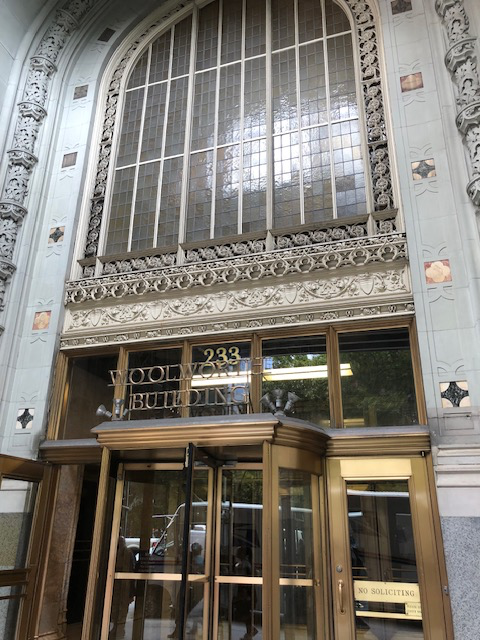
Read More From Nancy
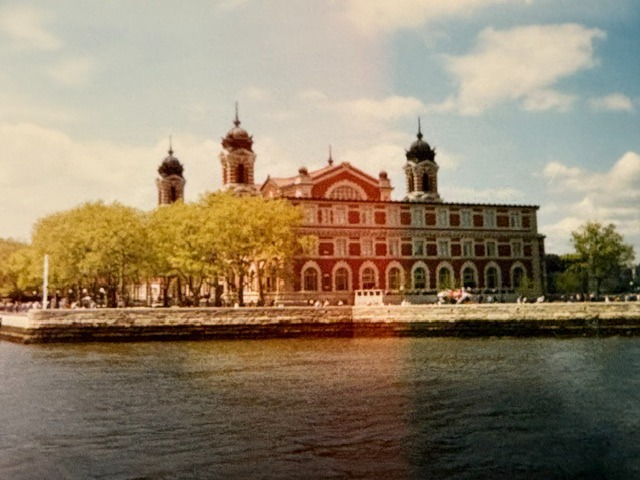
Ellis Island
From the water, Ellis Island’s Main Immigration Building presents an imposing façade of red brick, pale stone, arched windows, and towers. Inside, the Registry Room preserves the setting where millions of newcomers waited to learn whether they could enter the United States. Ellis Island opened as a federal immigration station in 1892. After a fire […]
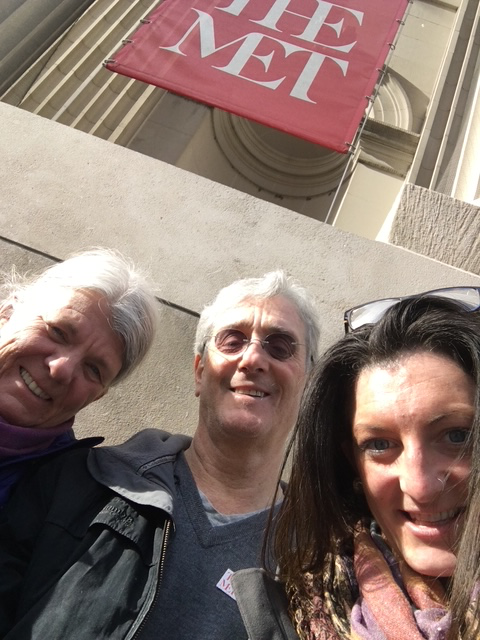
The Metropolitan Museum of Art
The Metropolitan Museum of Art has been part of many of our visits to New York City over the years. Sometimes we have gone for a particular exhibition we wanted to see, while other visits have simply been opportunities to wander through the galleries and see where they would take us. With a museum as […]
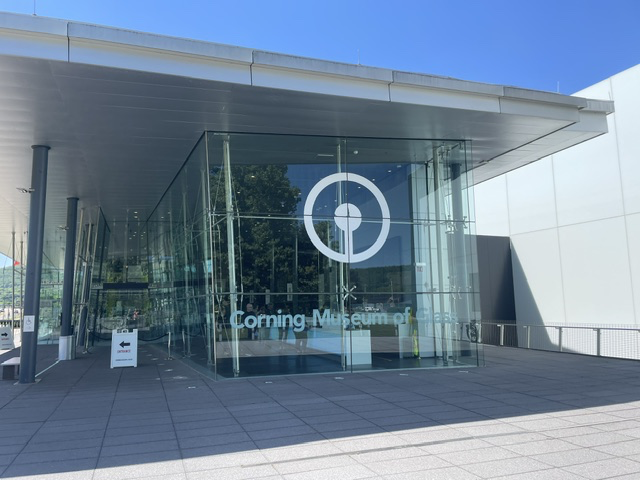
The Corning Museum of Glass
During our camping trip in upstate New York, we visited the Corning Museum of Glass, and once again found ourselves amazed by how one material can tell the story of human civilization. Founded in 1951 by Corning Glass Works to celebrate the company’s centennial, the Corning Museum of Glass has grown into the world’s premier museum […]

