American Independence Museum
In 1985, a rare document rediscovered in the attic of Exeter’s Ladd-Gilman House brought renewed attention to the town’s connection with American independence. It was a Dunlap broadside, one of the first printed copies of the Declaration of Independence. The discovery helped inspire the creation of the American Independence Museum, which opened to the public in 1991.
The collection also includes two early printed drafts of the United States Constitution with handwritten notes in their margins. These documents reveal the work behind establishing a national government: proposals were examined, language was revised, and decisions took shape through debate. Together, the Declaration and Constitution drafts connect the struggle for independence with the challenge of governing a new nation.
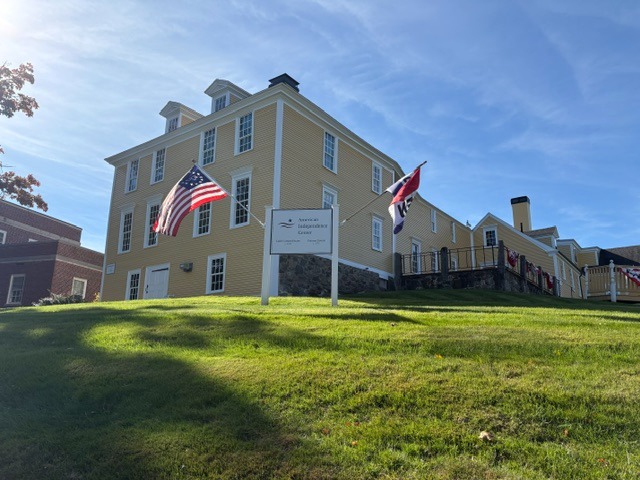
The museum’s campus includes the Ladd-Gilman House and Folsom Tavern, placing its collections within buildings associated with Exeter’s Revolutionary history. Exhibits, tours, and educational programs explore New Hampshire’s role in the Revolution and the responsibilities of citizenship. Documents and everyday objects help connect national events with the people and communities involved.
The rediscovered broadside gave the museum its beginning, but its broader purpose is to examine how independence was declared, supported, and put into practice. Its collections preserve evidence of a time when the outcome remained uncertain and the institutions familiar today were still being created.

