Vault Alarm
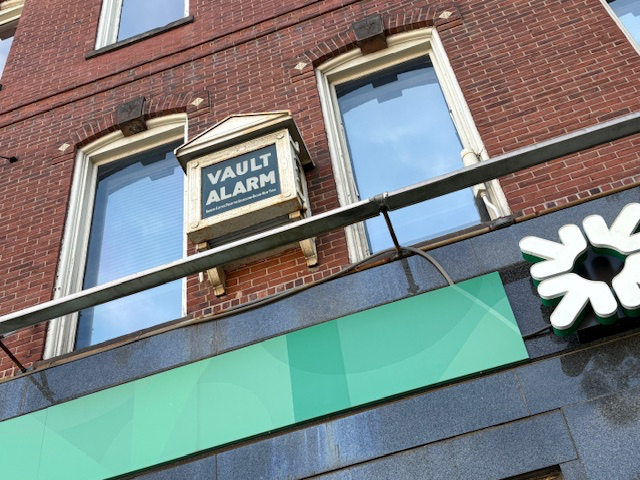
Looking up, above the street level to the second floor of the Citizens Bank in Natick, I noticed a small metal box mounted on the exterior wall. It reads: Vault Alarm
This is a relic from a time when security was mechanical. In the late 19th and early 20th centuries, banks were designed to safeguard your money but project trust. Vaults were massive steel chambers and nearly indestructible by the standards of the day. Early alarm systems were installed to alert staff if a vault was opened after hours or tampered with in any way.
This Vault Alarm box would have been part of that system. If the vault door was opened, a circuit would trigger. This would ring an internal bell or even summon the local police on a dedicated line. Unlike modern systems, these alarms were meant to be seen to remind passerby that the building was protected.
By the mid-20th century, technology moved on. Alarm systems were eventually digital and integrated into broader security networks. These old exterior boxes became obsolete. Today it tells a story about how security once worked and how buildings communicated authority.
For me, these small details around me continue to remind me that history survives not just in grand monuments but in the small details as well. Looking, observing, questioning and letting my curiosity open doors to want to know more.
Read More From Nancy
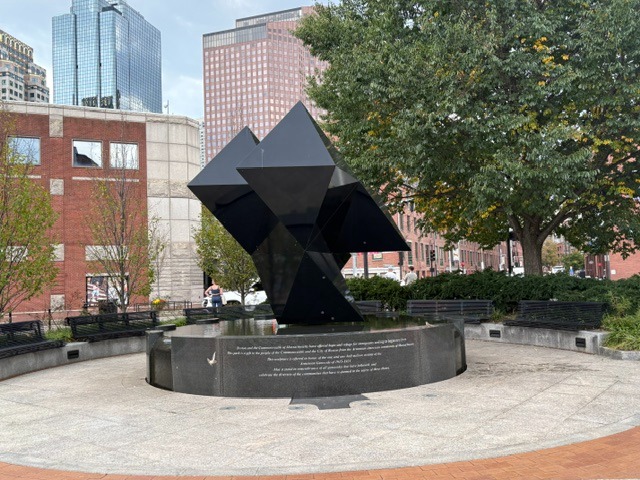
Armenian Heritage Park
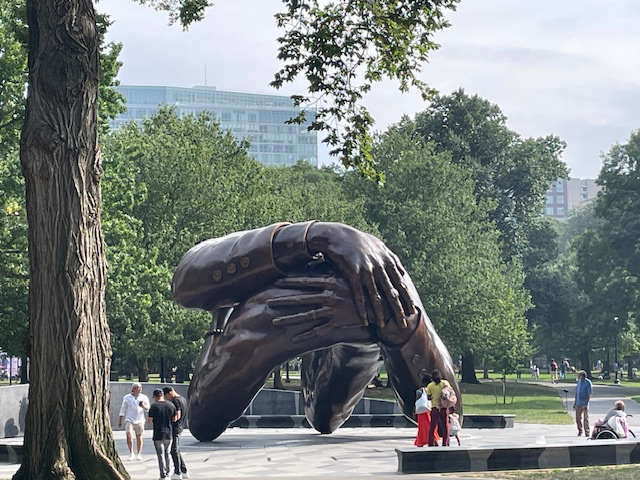
During our walk around Boston, we stopped at Armenian Heritage Park on the Rose Kennedy Greenway. Its angular sculpture offers a different kind of memorial: one whose form changes while its purpose remains rooted in remembrance. The sculpture honors the lives lost during the Armenian Genocide of 1915–1923 and the genocides that followed. The park […]
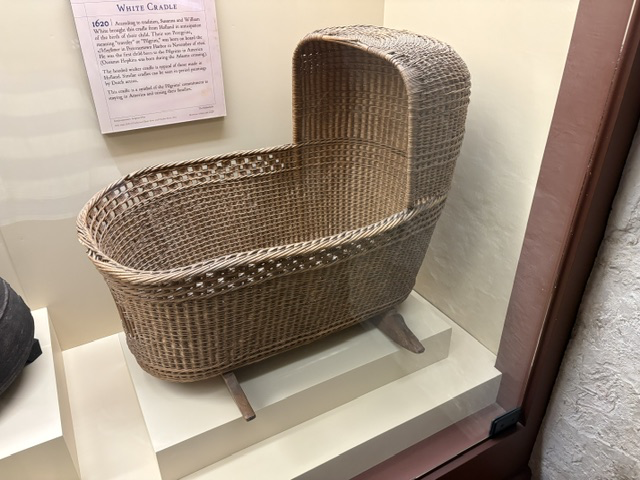
The White Cradle
Among the objects we encountered while exploring Plymouth was this simple wicker cradle. According to tradition, it belonged to Susanna and William White and was brought with them from Holland when they sailed aboard the Mayflower in 1620. Susanna White was pregnant during the Atlantic crossing. The Mayflower left Plymouth, England, in September with more […]
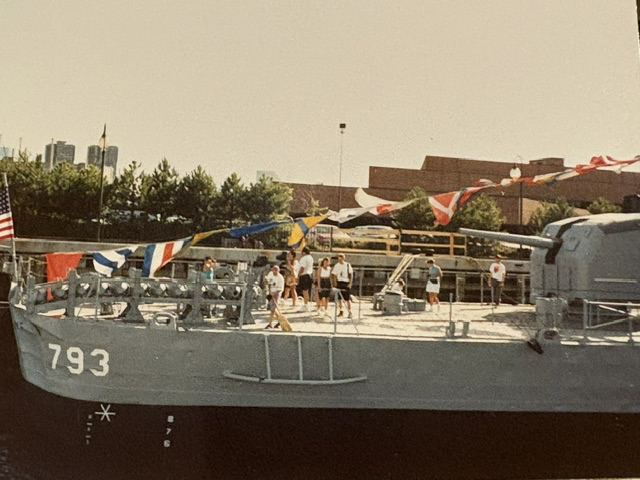
USS Cassin Young
The USS Cassin Young, identified by the hull number DD-793, is preserved at the Charlestown Navy Yard as part of Boston National Historical Park. The Fletcher-class destroyer represents both the industrial effort that produced thousands of American warships during the Second World War and the experiences of the sailors who served aboard them. The ship was […]

