Trinity Episcopal Church
Standing quietly among the trees in Shepherdstown is Trinity Episcopal Church, a stone building whose history reaches back to the years before the Civil War. Completed in 1859, the church was part of a community that was about to experience one of the most difficult periods in its history.
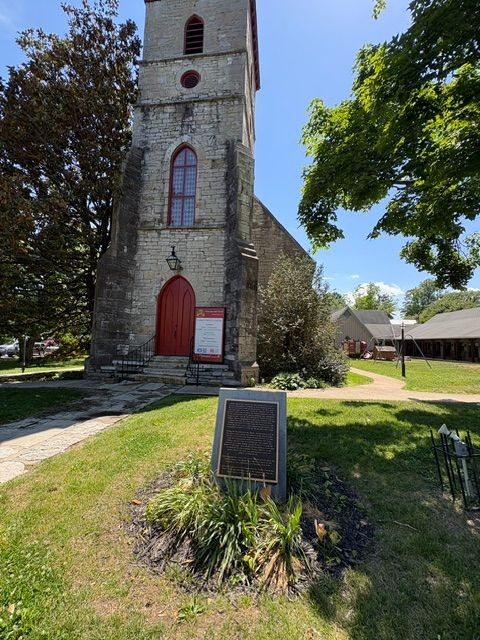
Only a few years after its completion, the church found itself surrounded by the realities of war. Following the Battle of Antietam in September 1862, thousands of wounded soldiers flooded into Shepherdstown and the surrounding area. Homes, churches and public buildings throughout the town were transformed into places of care as residents responded to the overwhelming number of injured men.
Unlike buildings that were converted entirely into hospitals, Trinity Episcopal Church continued its role as a place of worship during this turbulent time. Its presence represented a sense of continuity in a community where nearly every family was touched by the conflict. The church stood while soldiers passed through, neighbors cared for the wounded, and the future of the town remained uncertain.
The stone walls of Trinity have witnessed more than the Civil War. They have seen generations of families gather for worship, celebrations and moments of remembrance. The building remains a reminder that historic places are not only important because of the events that happened inside them, but also because of the people who continued to use and care for them afterward.
During my visit to Shepherdstown, I was struck by how many layers of history exist within a small town. A church, a storefront and a community building each tell different parts of the same story: a town that experienced war, adapted to change and continued forward while preserving the places that connected generations together.

Read More From Nancy
Remembering Shepherd’s World War I Generation
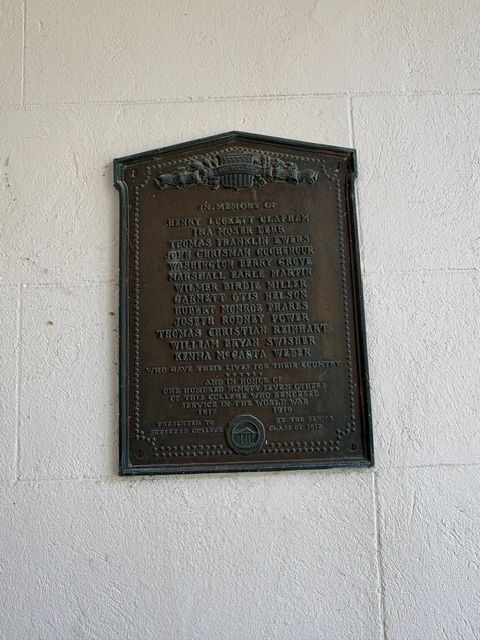
A bronze memorial at what is now Shepherd University preserves the names of thirteen men who gave their lives during World War I. Beneath them, the inscription also honors 197 men of the college who served between 1917 and 1919. Together, these words record both the breadth of the college community’s participation and the individual […]
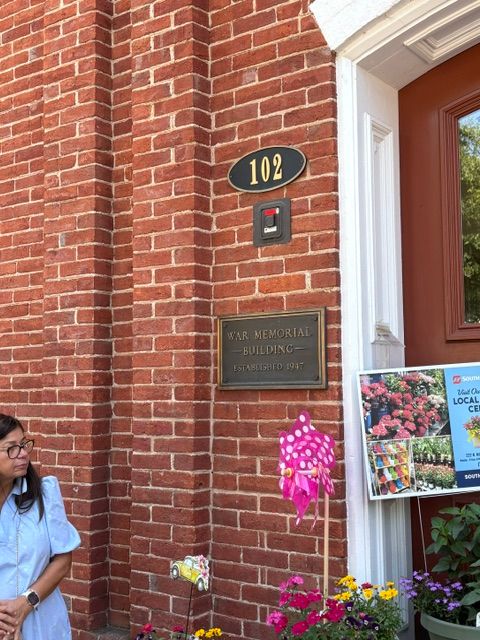
The War Memorial Building
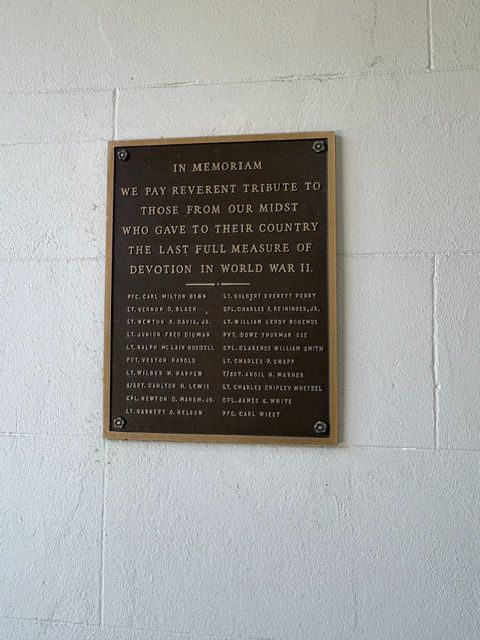
At the corner of German and King Streets, Shepherdstown’s War Memorial Building has welcomed people through its doors for more than a century and a half. Its tall windows, red brick walls, and prominent entrance reflect its original purpose as a church. The plaques beside the doorway tell another chapter: after World War II, it […]
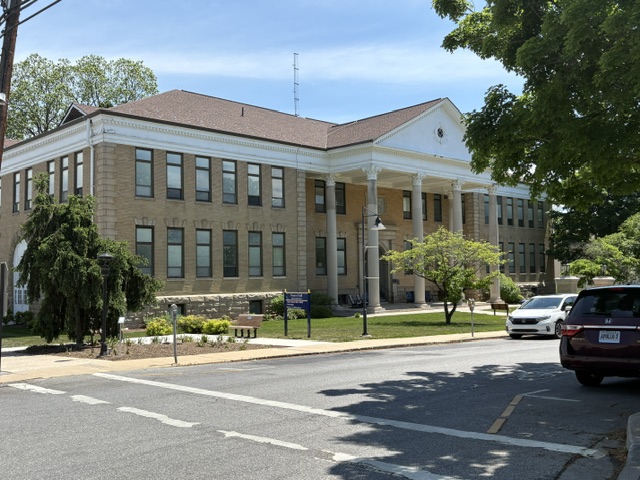
Knutti Hall
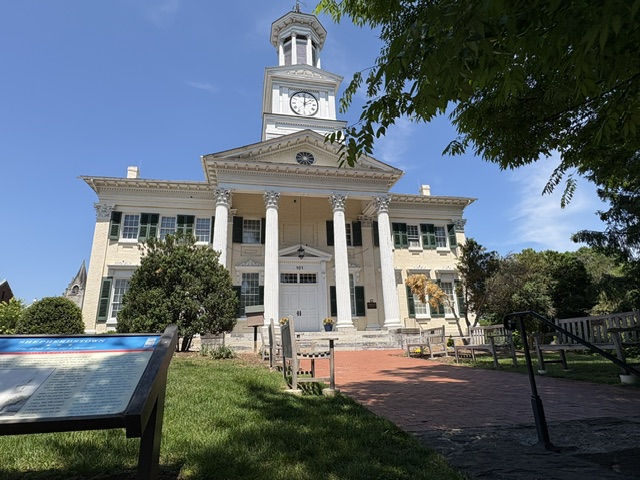
Knutti Hall’s pale brick walls, stone foundation and tall columned entrance reflect an era when college buildings were designed to give education a prominent place in the community. Completed in 1904, the building became an important home for academic life at the institution now known as Shepherd University. Its construction followed a significant loss. An […]

