What Could’ve Been
What Could’ve Been is a maquette, or small-scale model, created by sculptor David Lewis in 2000 for a proposed statue honoring President John F. Kennedy and his son, John F. Kennedy Jr. Sponsored by the Hyannis Area Chamber of Commerce, the sculpture presents them walking barefoot together, with the president’s arm resting affectionately across his son’s shoulder.
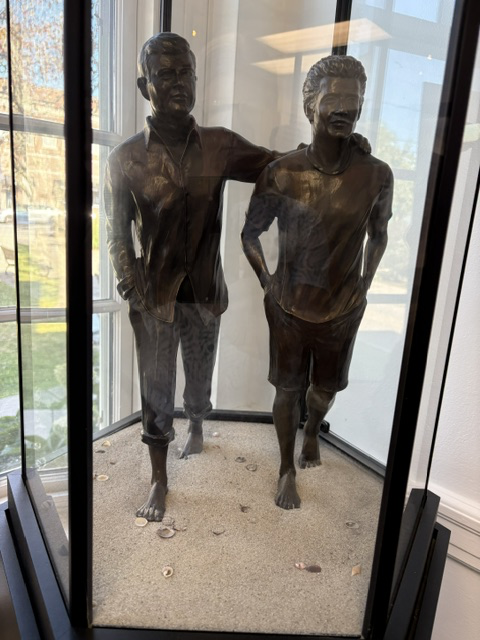
The informal clothing, bare feet and sand beneath them connect the figures to the relaxed summers the Kennedy family spent on Cape Cod. Instead of portraying Kennedy in a formal presidential setting, the sculpture presents a private moment between a father and son beside the waters that played such an important part in their family life.
Its title carries a deeper meaning. President Kennedy was assassinated in 1963, when John Jr. was only three years old. John Jr. later died in a plane crash near Martha’s Vineyard in 1999. Created the following year, the work reflects upon the years they never shared and the lives that might have unfolded had both men lived longer. Although the proposed full-size statue was never completed, the maquette preserves a moving vision of the father and son walking forward together.
Read More From Nancy
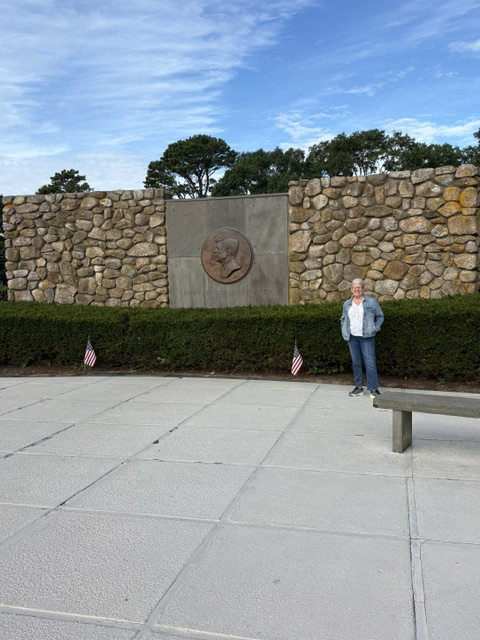
John F. Kennedy Memorial
John F. Kennedy Memorial stands in Veterans Memorial Park overlooking Lewis Bay, where Kennedy frequently sailed during the years he spent at Hyannis Port. Its waterfront setting connects his public legacy with the Cape Cod landscape that remained an important part of his private and family life. Commissioned by the citizens of Barnstable, the memorial […]
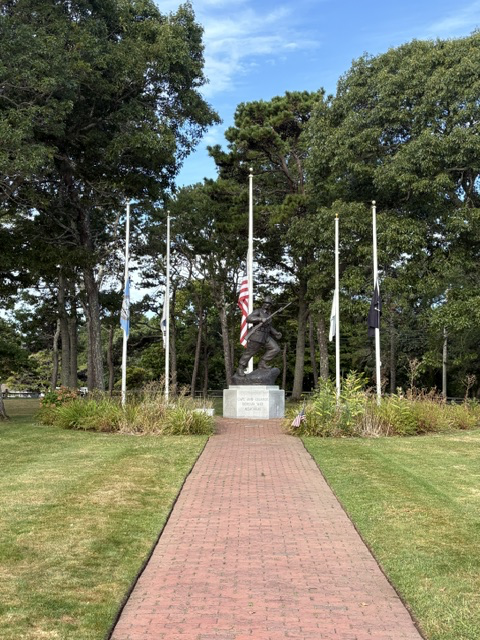
Korean War Memorial
The Korean War Memorial in Veterans Memorial Park honors the men and women from Cape Cod and the surrounding communities who served during the Korean War. A soldier stands at the center of the memorial, surrounded by the American flag and the flags representing the branches of the United States military. The Korean War began […]
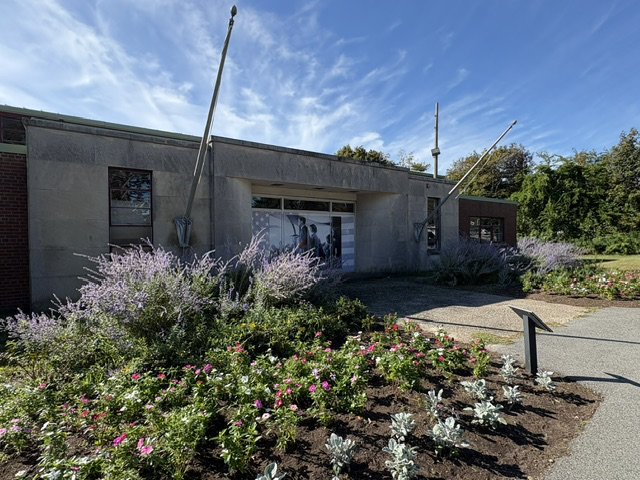
Hyannis Armory
The Hyannis Armory was built in 1958 for the Massachusetts Army National Guard and originally housed Battery D of the 685th Antiaircraft Artillery Battalion. Only two years after its completion, the modest military building became the setting for an important moment in American presidential history. During the 1960 presidential election, John F. Kennedy and his […]

