Guinness Storehouse
While visiting Ireland, we toured the Guinness Storehouse at St. James’s Gate in Dublin. I do not have photographs from inside the tour, but the visitor guide reminds me of our journey through the building and the pint of Guinness we enjoyed in the Gravity Bar on the upper floor. From there, the windows offered expansive views across the city where the Guinness story began.
Arthur Guinness arrived at St. James’s Gate in 1759 and signed the now-famous 9,000-year lease on a disused brewery. He was 34 years old and agreed to pay an annual rent of £45. What began as a relatively small brewing operation grew into one of Dublin’s largest industries and eventually one of the most recognizable breweries in the world.
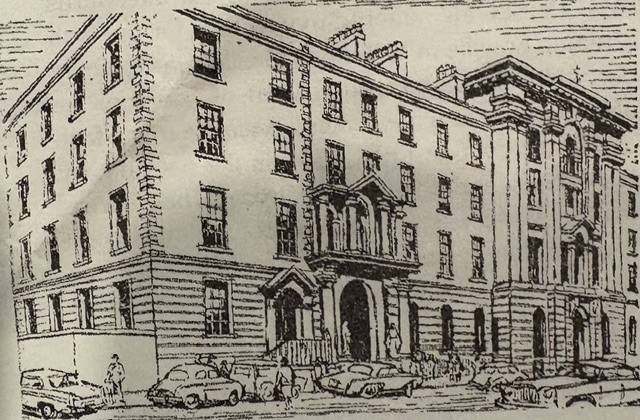
The Storehouse is not the original eighteenth-century brewery building. It was constructed as a fermentation plant in the early twentieth century and remained in use until 1988. The massive industrial building was later converted into a seven-story visitor experience arranged around a central glass atrium shaped like a pint glass. Its exhibits explain the ingredients, brewing process, transportation, advertising, and international expansion that transformed Guinness into a global name.
The history of Guinness is closely connected to the development of Dublin. As the brewery expanded, it employed generations of Dublin workers, supported related industries, and became an enormous presence around St. James’s Gate. Guinness developed a reputation for providing its workers with comparatively strong wages, medical services, pensions, paid holidays, and other benefits at a time when such provisions were far from universal.
Later generations of the Guinness family also left their mark on the city. Family philanthropy supported housing for working families, the restoration of St. Patrick’s Cathedral, and other civic projects. Sir Arthur Guinness, later Lord Ardilaun, helped reopen and restore St. Stephen’s Green, which was presented for the use of Dublin’s citizens in 1880. The family name consequently became attached not only to the brewery but also to parks, buildings, housing, and institutions throughout Dublin.
The Guinness story does not represent the whole history of Ireland, but it is deeply woven into Dublin’s industrial, commercial, and social development. The brewery survived political upheaval, independence, economic change, and the transformation of Dublin into a modern European capital. At the same time, its harp symbol and dark stout became recognized internationally as expressions of Irish identity.
Our tour ended in the Gravity Bar, where we enjoyed a pint while looking out over Dublin. It was an appropriate conclusion to the experience: standing above the city, drinking the product that had been brewed at St. James’s Gate for generations, and seeing how the history of one business had become part of the history and identity of the place around it.
Read More From Nancy

Cobh Harbor
Erin and I spent time driving along the coast of Ireland, exploring small towns and harbors along the way. One stop that stayed with me was the town of Cobh, a beautiful port city in County Cork known for its steep streets and rows of brightly colored homes overlooking the harbor. Walking along the waterfront […]
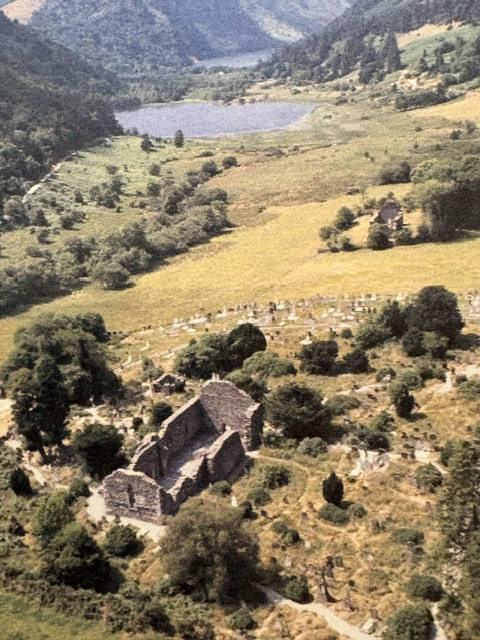
Reefert Church
When Erin and I first arrived in Dublin, our first excursion took us south into the Wicklow Mountains. Not far from the city, the streets and buildings gave way to mountain roads, wooded slopes and the glacial valley of Glendalough. The name Glendalough comes from the Irish Gleann Dá Loch, meaning “valley of two lakes”, […]

Titanic Memorial
This memorial in Cobh captures the chapter that connects this town to the story of the RMS Titanic. Cobh, formerly known as Queenstown, was the last port of call for the RMS Titanic before it sailed into the Atlantic Ocean on its maiden voyage in April 1912. It is sobering to realize that many of the passengers […]

