Warsaw Poland
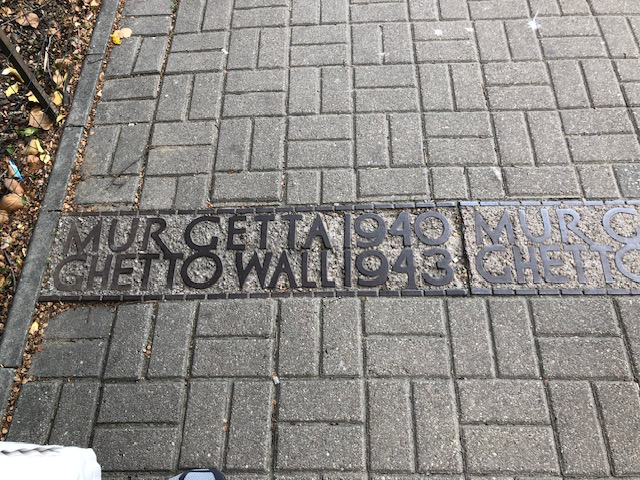
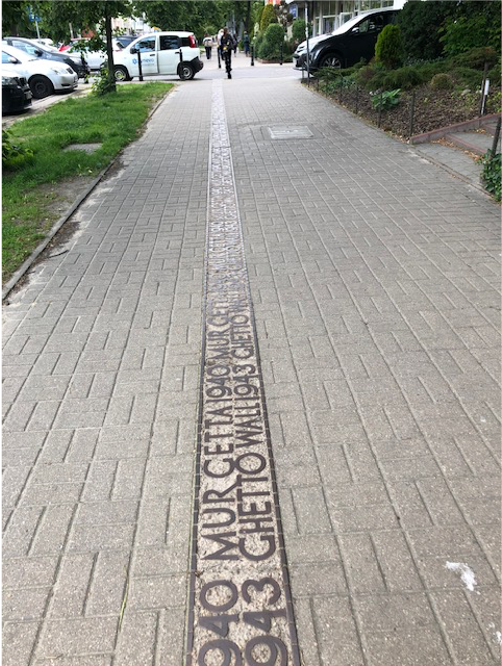
Today, Warsaw Poland is a rebuilt and thriving city. Walking around the city, there are powerful reminders of its history. Nowhere is this more evident than along the boundary markers of the former Warsaw Ghetto. These modest markers trace the outline of what was once the largest Jewish ghetto in Nazi-occupied Europe.
In November 1940, more than 400,000 Jews were forced into this confined space, just 1.3 square miles, cut off from the rest of the city by walls topped with barbed wire. Inside, life became a daily struggle against starvation, disease, overcrowding and fear. Even in these harsh conditions, the human spirit persisted as people created underground schools, composed music and documented their suffering.
There are surviving fragments of the ghetto wall where the bricks are worn and hold the memory of confinement. This wall once trapped hundreds of thousands of people inside, as well as sheltered fighters hidden in attics and cellars that would rise up for what would become an extraordinary act of courage during the war.
In July-September 1942, the ghetto endured its greatest tragedy: the mass deportation of nearly 300,000 Jews to Treblinka, where almost all were murdered upon arrival. The deportation did not empty the ghetto entirely. Around 60,000 Jews remained, many in hiding, others forced into labor. The walls remained standing for nearly a full year after the major deportations, as a prison district and the center of Jewish resistance.
In the months following the deportation, the remaining Jews constructed bunkers, smuggled weapons and formed the Jewish Fighting Organization. On April 19, 1943, when German forces entered the ghetto to remove the remaining population, the fighters resisted. Poorly armed and vastly outnumbered, they held off the Germany army for nearly a month in what became the Warsaw Ghetto Uprising/ This was the first major urban revolt against the Nazis in occupied Europe.
By May 16, 1943, the uprising was crushed. The ghetto was systematically buried and demolished block by block. Only then did the walls come down, leaving behind a landscape of rubble. After the war, Warsaw was rebuilt from this devastation, street by street.
Our walk through Warsaw, these markers remind us of where the Jewish families fought daily for survival. No matter how the city rebuilds or how much time has passed, the history of the ghetto will remain etched into the landscape.
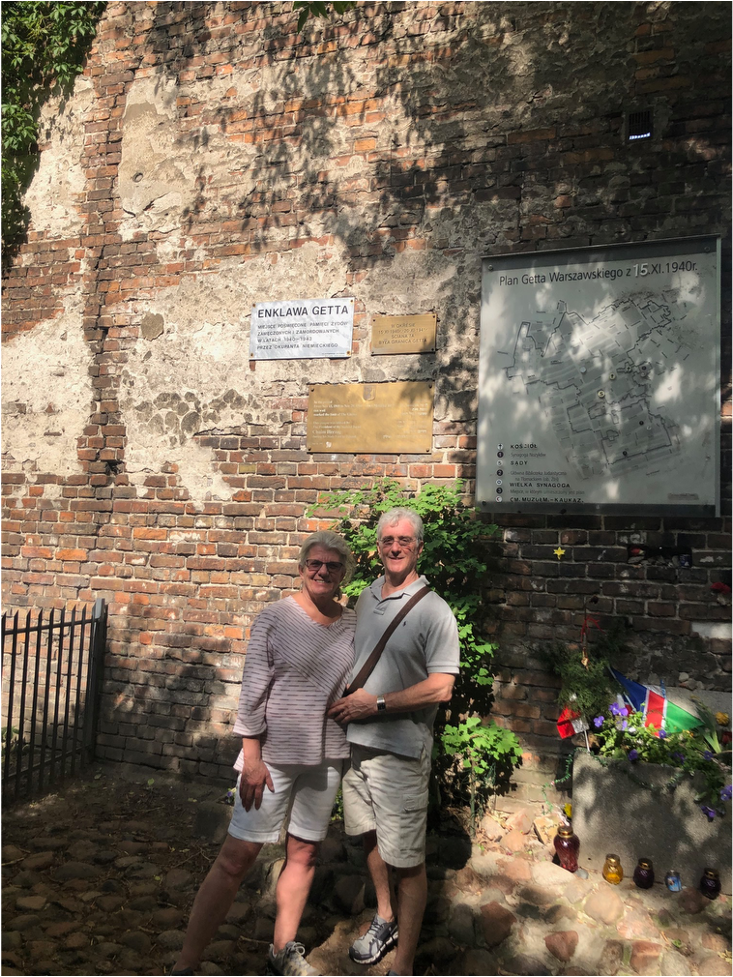
As we follow these markers, we reflect on how important it is to remember this history. Understanding what happened here reminds us of the dangers of hatred, indifference and dehumanization. It challenges us to remain courageous so that the tragedies of the past are not repeated.
Walking the boundaries of the Warsaw Ghetto was a poignant reminder of our shared responsibility.
Read More From Nancy
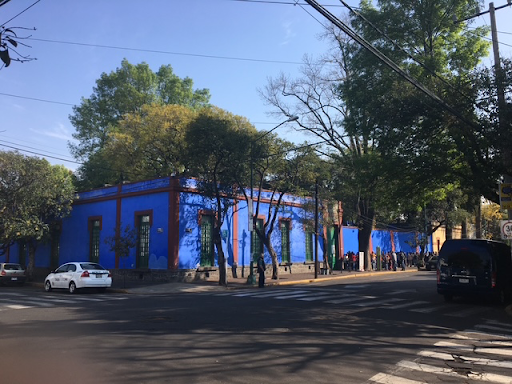
Frida Kahlo Museum – Mexico City
In 2018, Erin and I had the opportunity to visit the Frida Kahlo Museum in Mexico City: La Casa Azul. This vibrant blue home is where she was born, lived, created and ultimately died. Walking through her sunlit courtyard and rooms, we felt the presence of a woman whose life was defined by color and resilience. Physical […]
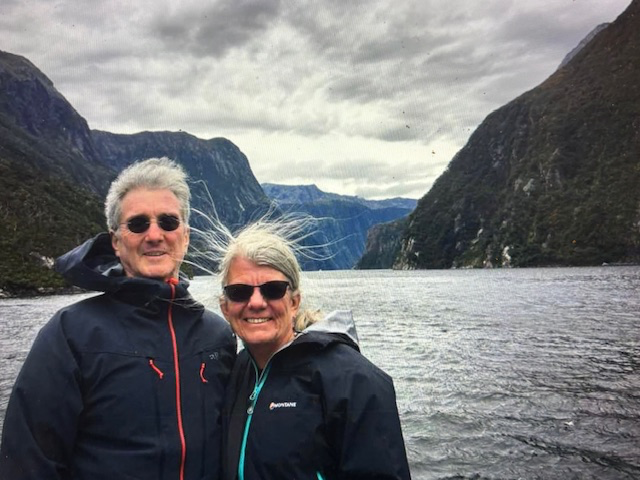
Milford Sound – New Zealand
In 2018, while we were in New Zealand teaching on the North Island, we carved out time to cross to the South Island for a holiday. One destination was Milford Sound, set deep within the UNESCO World Heritage region known as Te Wahipounamu. Reaching it felt like an expedition in itself. The drive carried us through […]
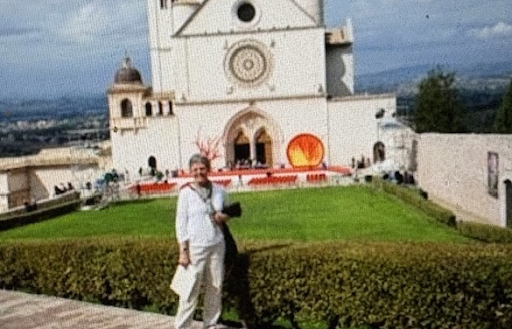
Basilica of St Francis: Assisi, Italy
The Basilica of Saint Frances of Assisi was built after the death of Saint Francis of Assisi in 1226. St Francis had lived a life defined by humility, poverty and service to others, and his followers wanted a place that could honor him as well as welcoming pilgrims from across Europe. Construction began in 1228, soon […]

