The Frost Place – Franconia, NH
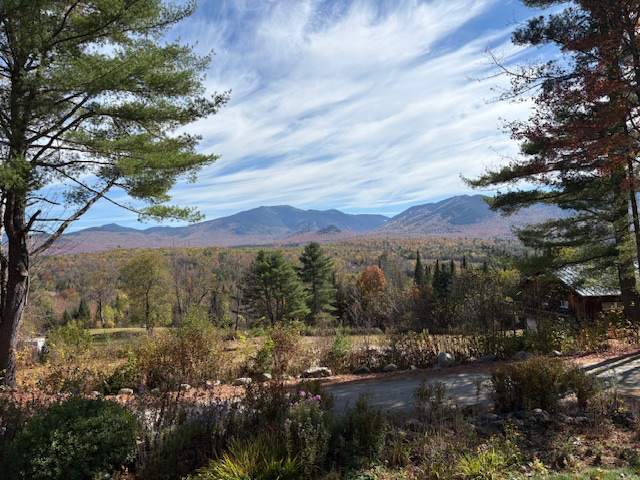
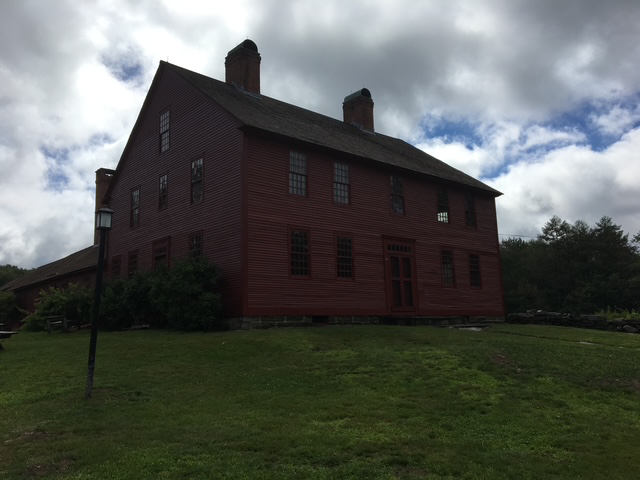
This summer, we visited The Frost Place in Franconia, New Hampshire, the hillside farmhouse where Robert Frost lived with his family from 1915 to 1920. Standing on the front porch, the view looking towards the White Mountains is spectacular. This is the home when Frost’s career was beginning to rise.
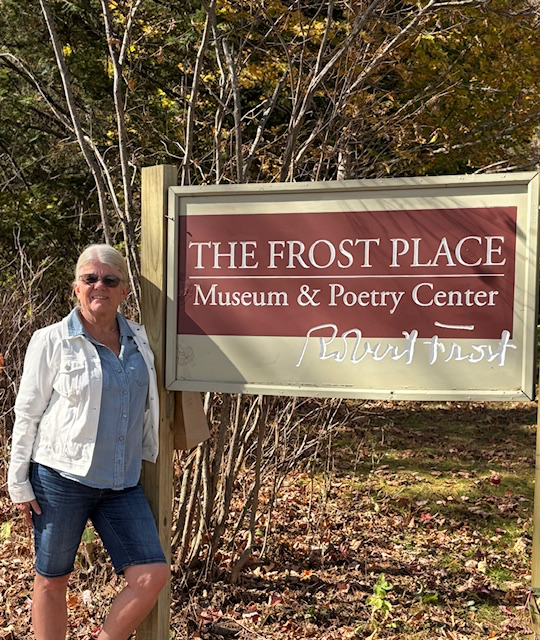
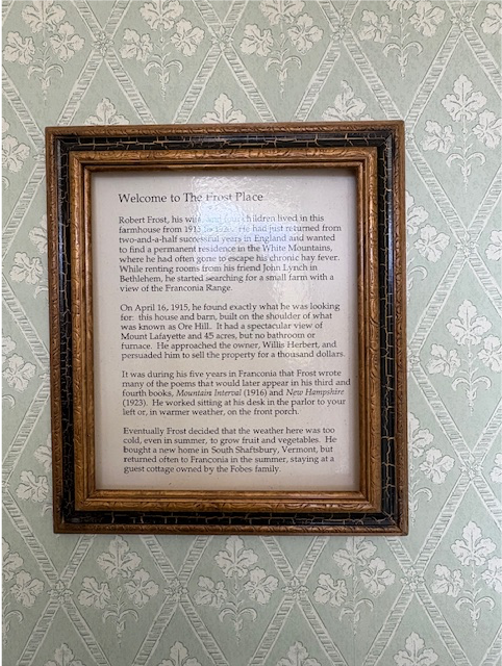
When Frost moved to Franconia in 1915, he was 41 years old. He was early in his public life as a poet but deeply committed to his craft. Only a few years earlier, he uprooted his family and moved to England, where publishers finally recognized the brilliance that American editors had overlooked. By the time he returned to New England, “A Boy’s Will” and “North of Boston” had been published to acclaim. Frost arrived in Franconia as a poet stepping on the national stage.
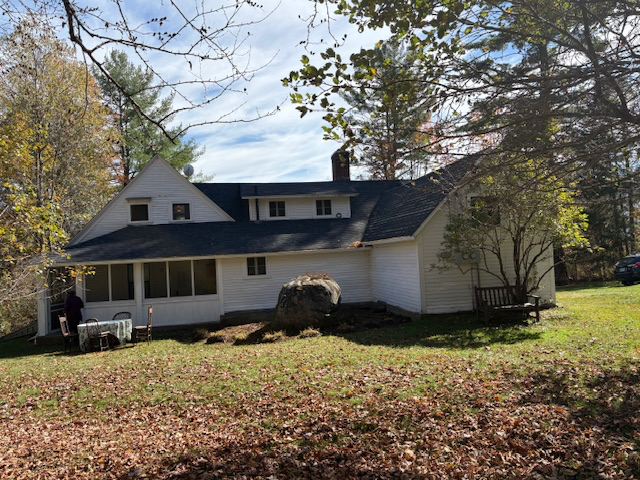
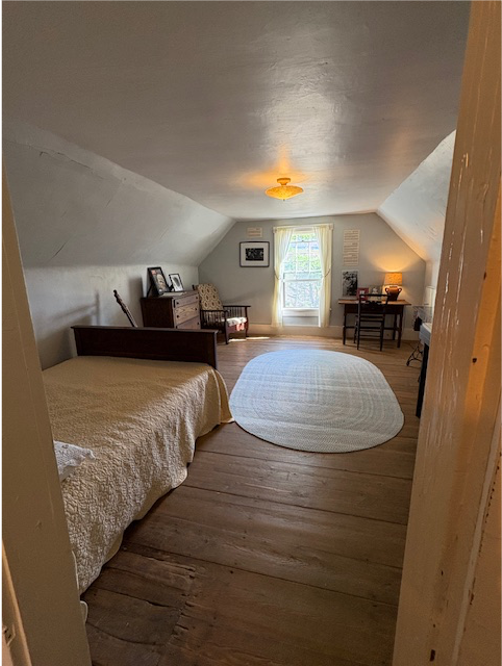
His children were still young during these Franconia years, and the house was full of children, chores and the rhythms of rural New Hampshire.
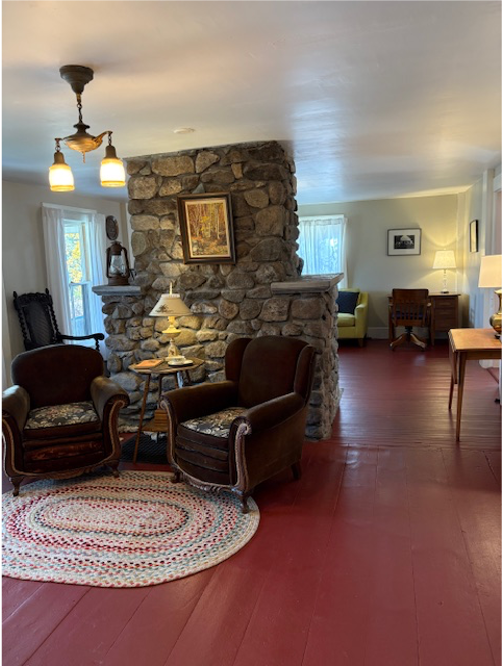
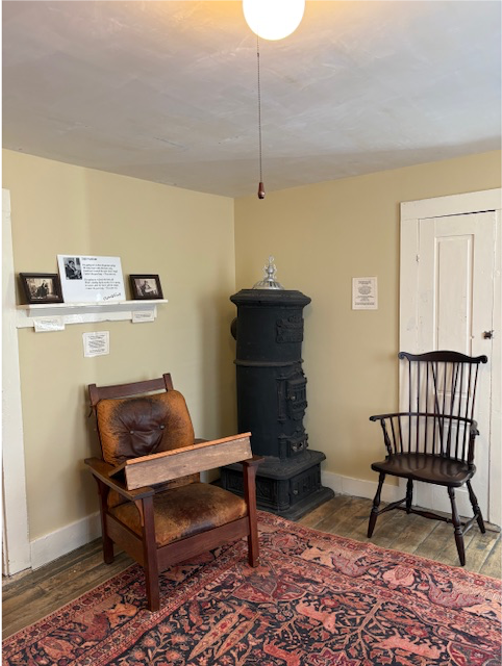
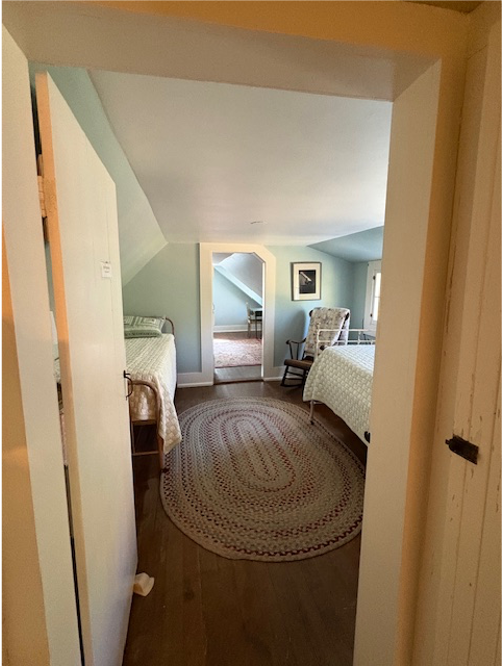
Today, The Frost Place remains simple as when the Frosts lived there: a farm house with sweeping mountain views. It has also become a place for poets with workshops and gatherings to nurture new voices in the same setting that inspired First himself.
Read More From Nancy
Old Manse – Concord
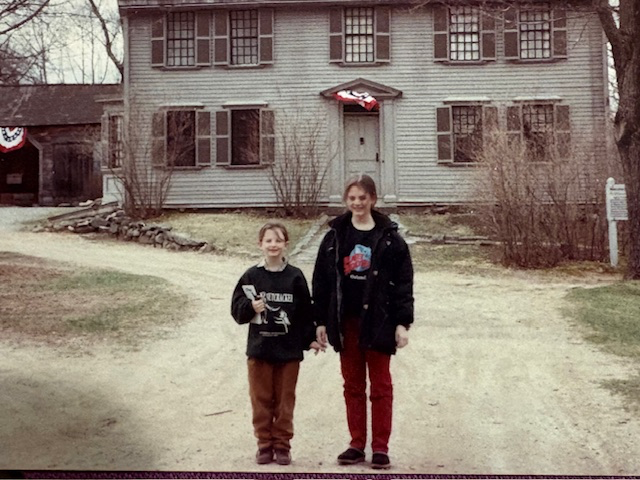
One homeschooling morning, I took Emmy and Erin to visit the Old Manse in Concord. As was often the case with weekday explorations, the house was nearly empty. Museums and historic sites were a big part of our schooling. Built in 1770 for the Reverend William Emerson, the Old Manse stands just steps from the […]
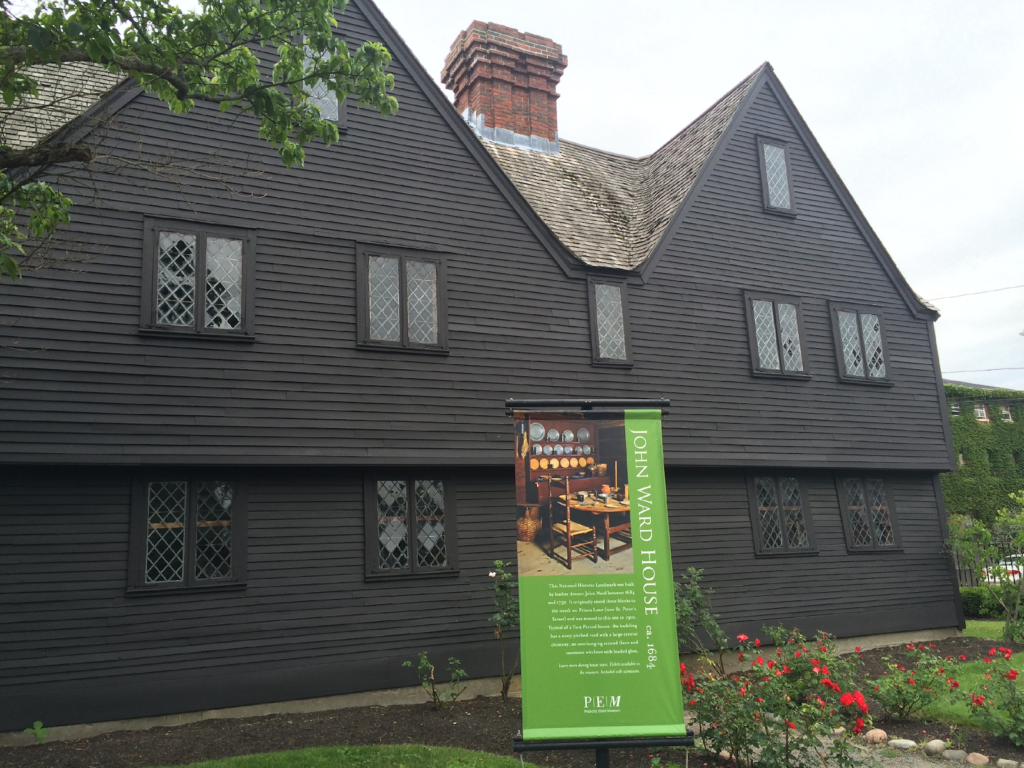
John Ward House – Salem, Massachusetts
The John Ward House in Salem, Massachusetts, stands as one of the finest surviving examples of 17th century New England architecture. Built in 1684 for John Ward, a successful currier, the house reflects not only skilled craftsmanship but also the growing prosperity of Salem in the late 1600s. By the time this house was constructed, […]
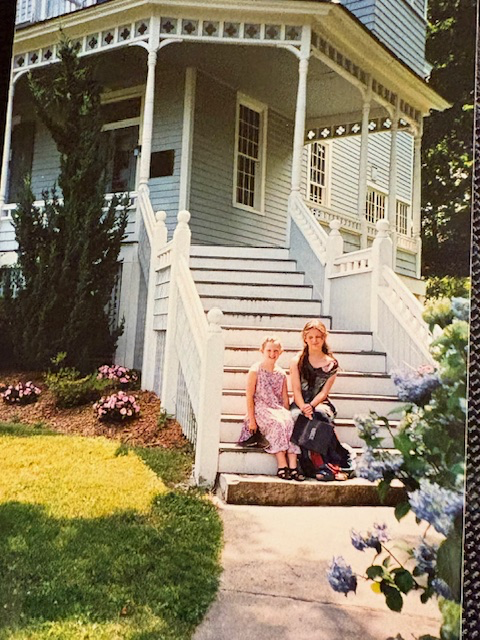
Eugene O’Neill’s Monte Cristo Cottage – New London, Connecticut
Connecticut is not too far for a good road trip and on this day, it brought us to Eugene O’Neill’s home in New London. This house, known as the Monte Cristo Cottage, was the family’s summer home, and decades later it became immortalized as the setting for “Long Day’s Journey into Night”. This is one of […]

