Saugus Iron Works National Historic Site – Massachusetts
Long before Massachusetts became synonymous with textile mills, industry was already taking root along the Saugus River.
In 1646, a group of English investors organized as the Company of Undertakers of the Iron Works in New England established what would become the first successful integrated ironworks in colonial North America. Their goal was to reduce the colonies dependence on imported iron goods from England and create a self-sustaining industrial enterprise in the New World.
The driving force behind the operations was John Winthrop the Younger, son of the Massachusetts Bay Colony governor. Winthrop secured financing and recruited skilled ironworkers from England and Wales. Among them were experienced ironmasters and craftsmen who understood the complex process of smelting and refining iron.
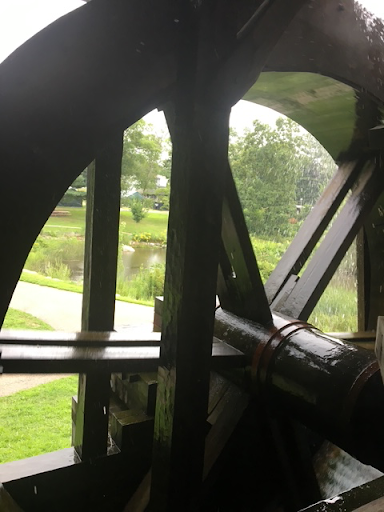
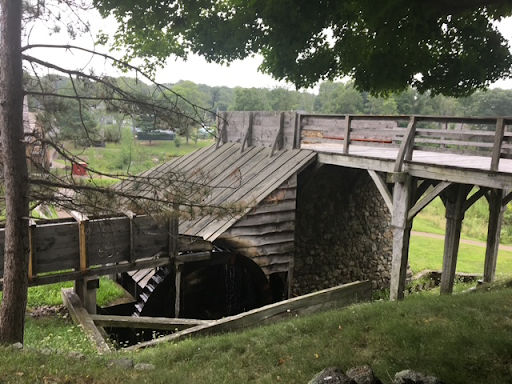
For this time, this was advanced engineering. The concept of harnessing river power to diver heavy industrial machinery was innovative and efficient. The ironworks produced essential goods for the growing colonies, everything from nails, farm tools and household hardware. It demonstrated that large-scale manufacturing was possible in North America decades before the American Revolution.
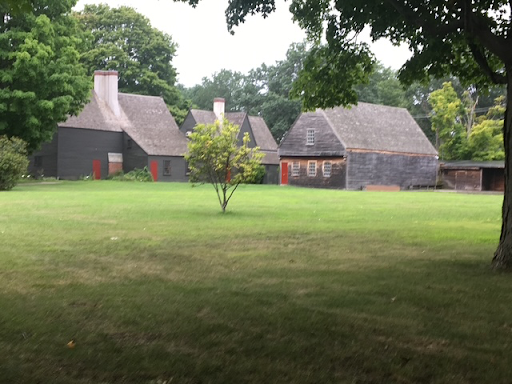
The operation had many challenges including financial difficulties and management conflicts that eventually led to its closure in the 1660s. Despite its relatively short lifespan, it laid the foundational ideas about industrial organization, water-powered manufacturing and colonial self-reliance. These are the principles that later defined Massachusetts’ industry.
The site was restored in the mid-20th century after archaeological work uncovered its foundations, and in 1968 it was designated a unit of the National Park Service and signed into law by President Lyndon B. Johnson.
Massachusetts holds many “first”, and here in Saugus the industrial story of American quietly began.

Read More From Nancy
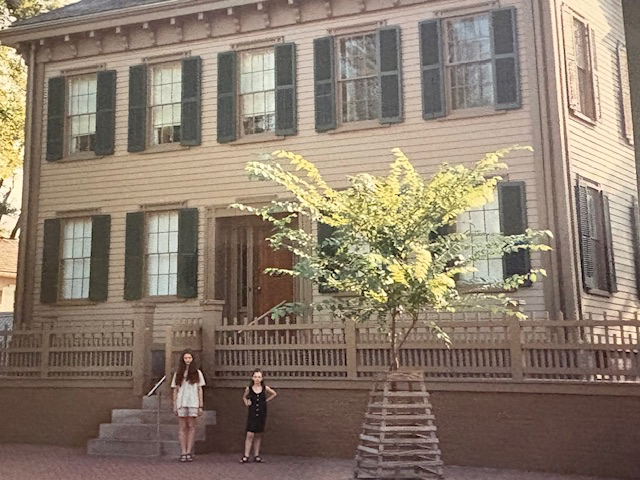
Lincoln Home National Historic Site – Illinois
I enjoy studying and exploring Presidential sites, and I have visited all of the Presidential libraries and many smaller historic locations. Of course, I am partial to some presidents more than others, and for me one that is most special is Abraham Lincoln. As a child, we celebrated his birthday in February each year, separately, […]
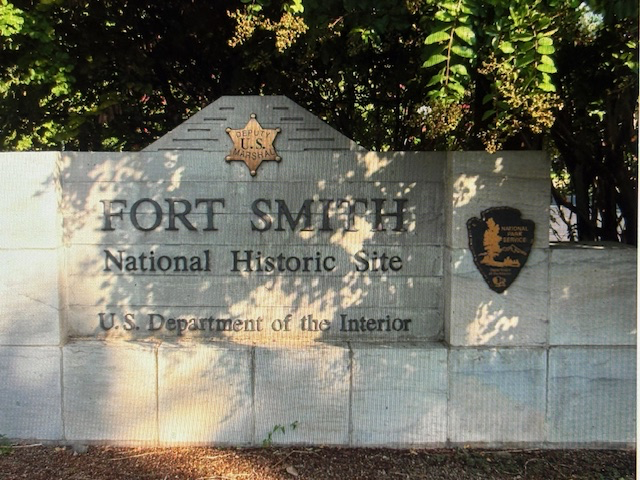
Fort Smith – Arkansas
While traveling around Arkansas, I visited Fort Smith National Historic Site. This fort was established in 1817, as a U.S. military post to project federal presence on a volatile frontier. From the beginning, it served as a gateway to the West, a place where eastern law met western uncertainty. The strategic position of this fort made […]
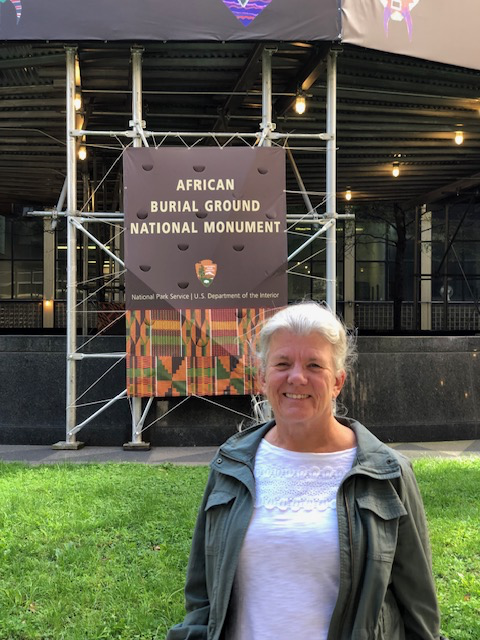
African Burial Ground National Monument – New York
In the very center of New York City, surrounded by federal buildings and urban motion, sites the powerful historic space: African Burial Ground National Monument. This sacred ground came into view in the early 1990s during excavation for a new federal office building. What construction crews uncovered stopped the project in its tracks: hundreds of burial remains dating from the 17th […]

