Sacre-Coeur Cathedral – Paris
Rising above the rooftops of Paris from the summit of Montmartre, the domes of Sacre-Coeur dominate the skyline. From almost anywhere in the city, the basilica’s white stone catches the light by day and glows softly at night, anchoring the northern horizon.
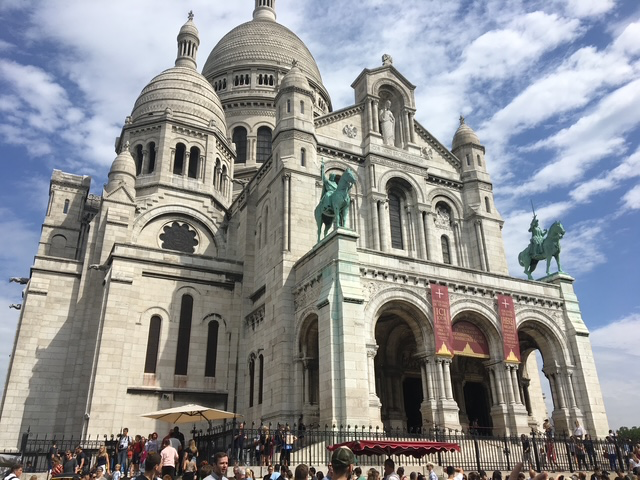
The church was conceived in the emotional aftermath of France’s defeat in the Franco-Prussian War and the turmoil of the Paris Commune. Supporters vowed to build a grand sanctuary dedicated to the Sacred Heart of Jesus as a gesture of repentance and hope for the nation. Parliament approved the project in 1873, and construction began two years later. With political controversy, funding challenges and the disruption of World War I stretched the timeline, and the basilica was not consecrated until 1919, nearly forty years after the first stones were laid.
Its appearance marked a drastic departure from the Gothic cathedrals that defined so much of medieval Paris. Part of the basilica’s magic lies in its color. Built from Chateau-Landon travertine limestone, the stone releases calcite when rain falls, giving the surface a pale and luminous surface. Even after more than a century, the Sacre-Coeur continues to shine.
For some, this monument symbolized a conservative reaction to revolutionary ideals because of its location atop Montmartre. This is a quarter of Paris long associated with radical politics, working-class activism and bohemian artists.
As generations passed, Sacre-Coeur slowly detached from the passions that shaped its birth. Pilgrims came to pray. Tourists climbed the steps for the view. Artists sketched its domes. Today the basilica is inseparable from Paris. It is a working church, a monument to a turbulent chapter of national history and one of the capital’s most cherished vantage points.
Read More From Nancy
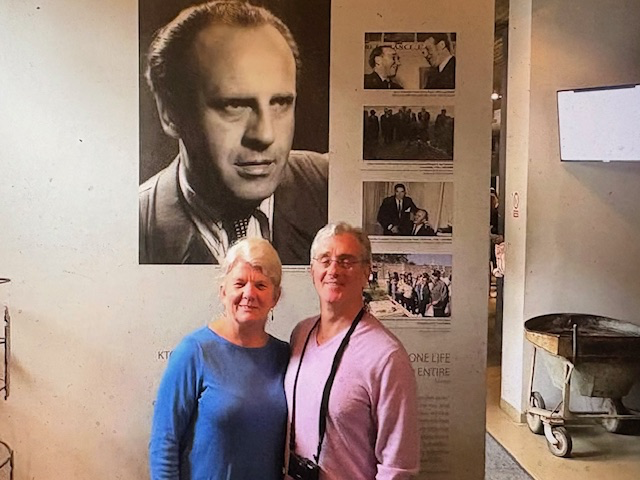
Oskar Schindler’s Museum – Krakow, Poland
While visiting Krakow, we made our way to this powerful museum: Oskar Schindler’s Factory. Of course, his story had already been etched into public memory through the Oscar-winning film Schindler’s List, but standing in the actual factory where so much of that history unfolded brought a different weight to the story. The Oskar Schindler’s Museum […]
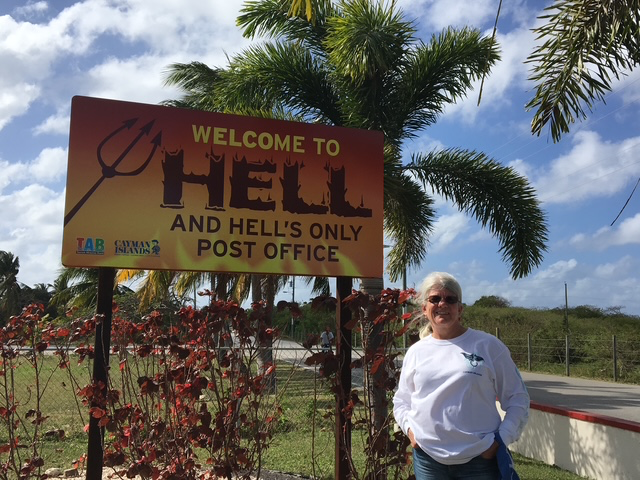
“Hell” – Grand Caymans
On the island of Grand Cayman, there is a place literally called “Hell.” Hell is a small area of jagged, black limestone formations in West Bay, Grand Cayman. This is iron shore, sharp, craggy coral limestone that has been shaped over centuries by salt, wind and erosion. The formations are dark, uneven and twisted into […]
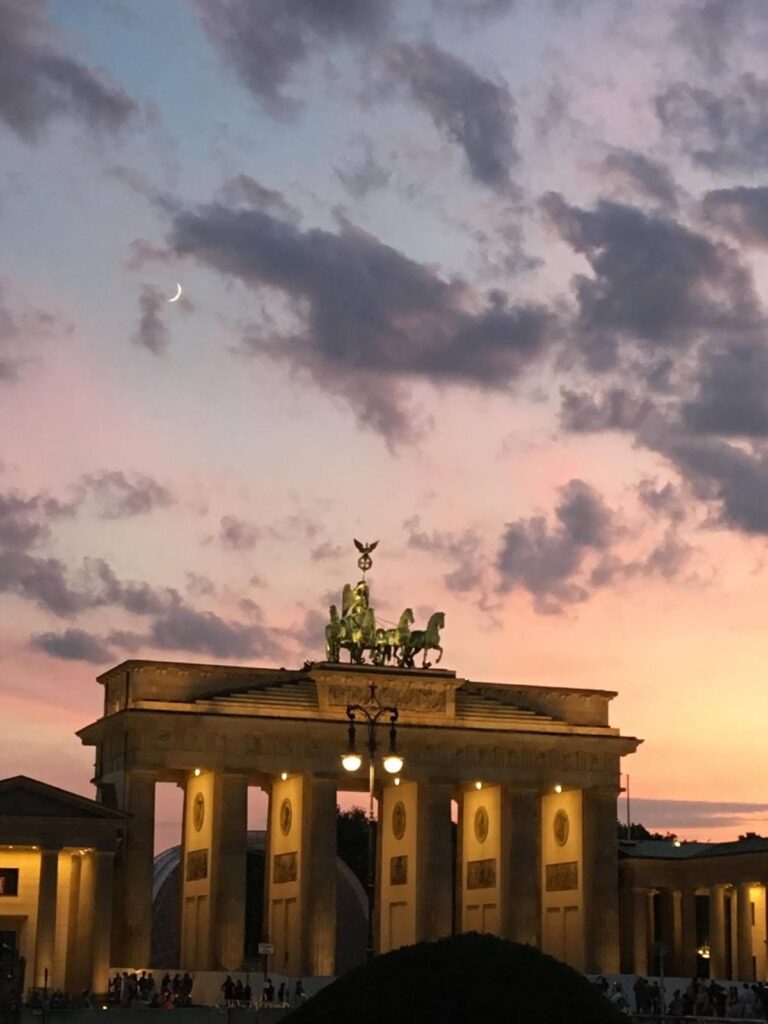
Brandenburg Gate – Berlin Germany
While visiting Berlin, the Brandenburg gate quickly becomes more than just a landmark, it becomes a focal point of the city’s history. Standing at Pariser Platz, we faced a structure built between 1788 and 1791 under King Frederick William II of Prussia. Designed by architect Carl Gottheard Langhans, the gate was inspired by classical Greek architecture. Its […]

