Medfield State Hospital – Medfield, MA
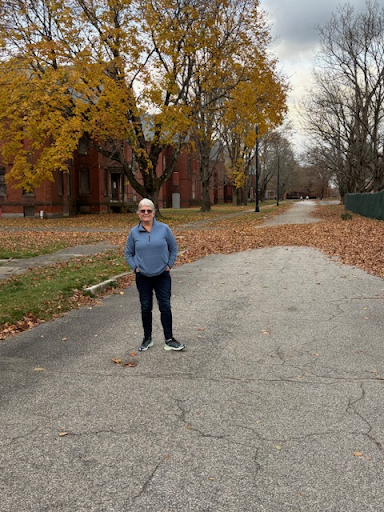
Walking the grounds of Medfield State Hospital feels less like visiting a single abandoned building and more like wandering through the remains of an entire town that has quietly slipped out of time. Brick buildings stand in orderly rows, their windows dark, their purpose no longer obvious. The scale is startling. It is difficult to imagine that this vast, silent place was once alive with thousands of people going about the routines of daily life.
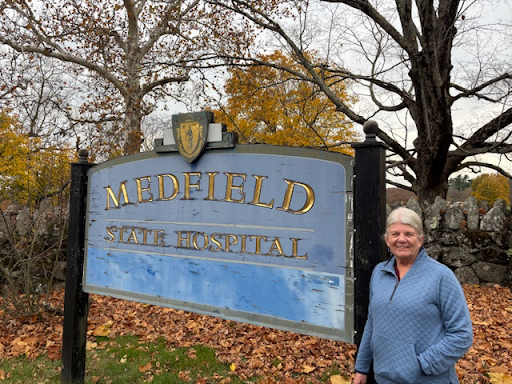
Medfield State Hospital opened in 1892, born of a new idea about mental health care. At a time when urban asylums were overwhelmed and increasingly criticized, Massachusetts embraced a reform movement that believed the environment mattered. Space, light, fresh air and meaningful work was thought to offer healing. Medfield became the first state mental hospital in Massachusetts built entirely on the “cottage plan,” spreading patients across many smaller buildings rather than confining them in one massive structure.
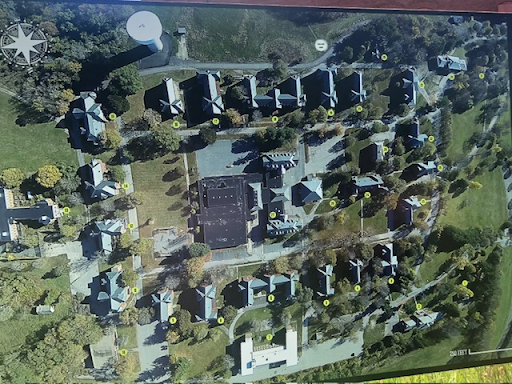
From the start, the hospital was conceived as a self-contained world. Set on more than 800 acres, it quickly grew into one of the largest institutions of its kind in New England. At its height in the early 20th century, more than 2,000 patients lived here, supported by hundreds of staff members. There were patient wards, administrative offices, staff residences, kitchens, laundries, workshops, and a power plant. The hospital generated much of its own electricity and food. It functioned, in many ways, as a small city.
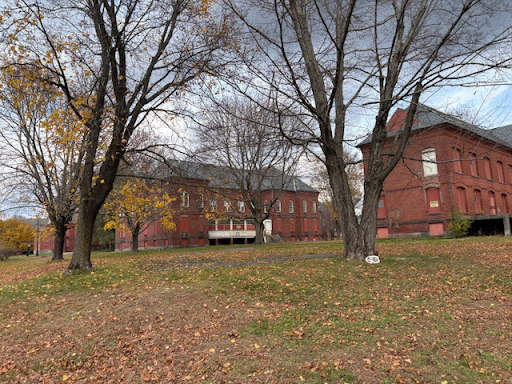
Daily life followed a strict rhythm. Patients worked the land, tended animals, cooked meals and repaired equipment. The labor was considered therapeutic and a way to instill routine, purpose and order. Long before occupational therapy became a formal discipline, Medfield was using structured work as a treatment. At the time, this approach was seen as progressive and humane. Today, it is more complicated.
By the 1910s through the 1930s, Medfield was operating at full capacity. Many patients were admitted for conditions that modern medicine would approach differently: depression, anxiety, postpartum, epilepsy, alcoholism, traum, intellectual disability or behaviors that families and society found difficult to manage. For some, Medfield was a temporary refuge. For many others, it became a lifelong address.
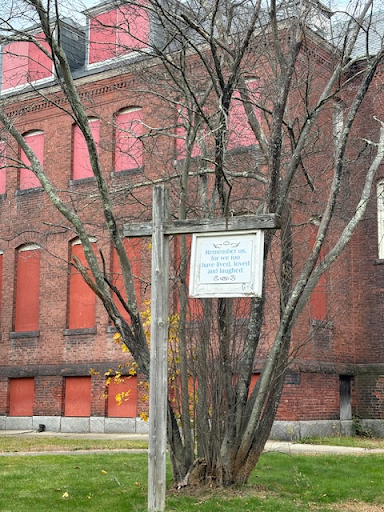
The mid-20th century brought profound change. Advances in psychiatric medication, shifting social attitudes and growing criticism of large institutions began to reshape mental health care. By the 1950s and 1960s, patient population declined as the nation moved toward community-based treatment and deinstitutionalization. Buildings closed one by one. Entire wards fell silent.
By 2003 Medfield State Hospital officially closed. Patients were transferred elsewhere, and the institution’s mission ended. What remained was an enormous, intact campus that was too vast to easily repurpose.
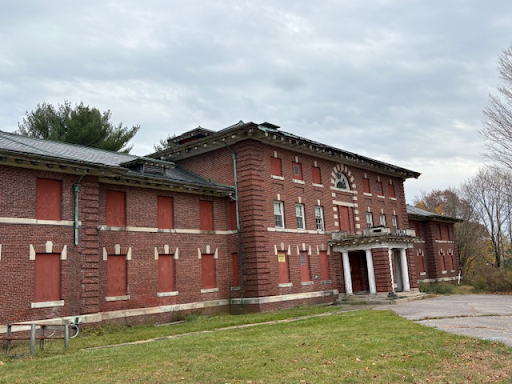
Medfield State Hospital stands as a physical record of changing ideas about mental health, responsibility and community. It reflects a moment when society believed it could solve complex human problems by building large, ordered worlds on the outskirts of town. Walking its grounds today, we see not just abandoned buildings but a layered history of an era, preserved in brick and roadways.