Gothic Barcelona Cathedral – Spain
Standing before the towering walls of Barcelona Cathedral, the structure reminds us of just how ambitious medieval builders dared to be. The construction of the cathedral began in 1298, during Barcelona’s golden age as a Mediterranean trading power. What we walked through today is largely the product of more than 150 years of work. The main Gothic body was completed in the mid-15th century while the dramatic facade was added in the later nineteenth century. The result is a blend of medieval heart wrapped in a Gothic revival exterior.
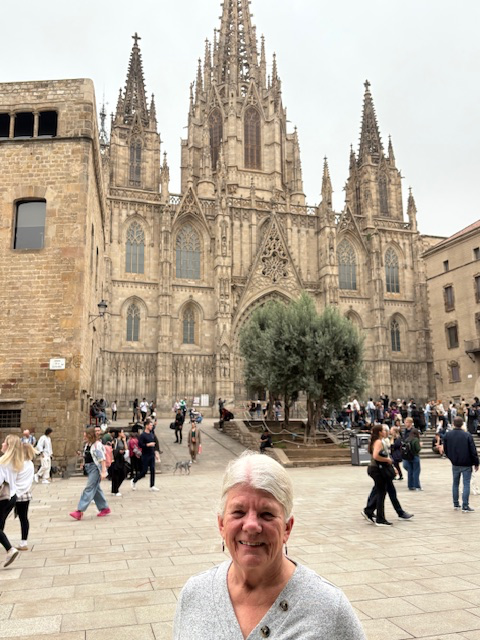
While visiting this cathedral, I was most astonished by the engineering that went behind its construction. The massive limestone blocks were quarried outside the city, cut by hand with iron tools, hauled by oxen and laborers and lifted skyward using wooden treadwheel cranes. These cranes were giant human-powered machines in which workers walked inside wheels to raise stone with rope and pulley. Each column and vault was placed without engines or steel or electricity, only timer scaffolding, gravity and extraordinary patience.
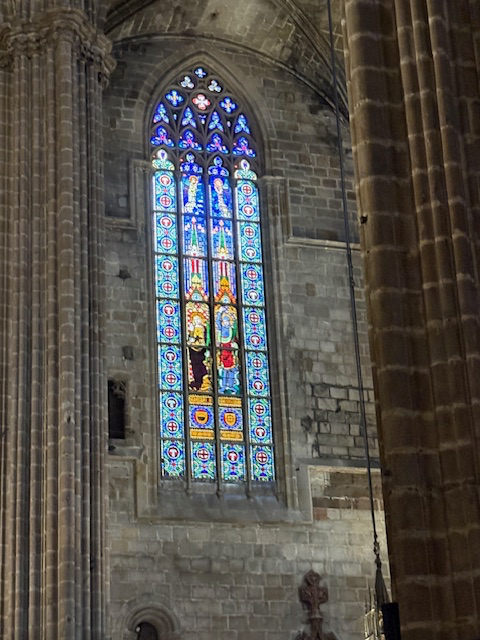
The cathedral’s height comes from Gothic architecture: Pointed arches, ribbed vaults and flying buttresses. Together, these created a medieval version of a steel frame. Inside, the columns rise toward vaults that are so high, they seem to dissolve into shadow.
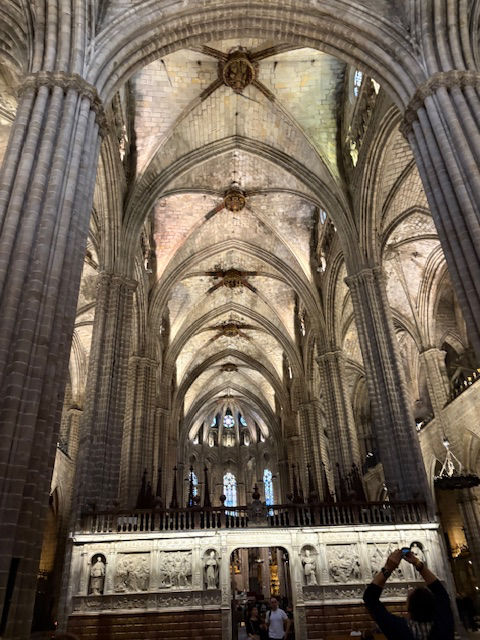
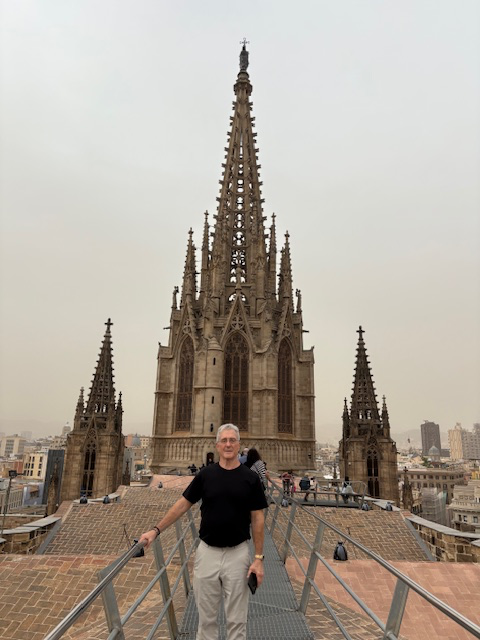
From the upper terraces, the views of the city reveal the medieval streets of the Gothic Quarter. The scale of the cathedral is even more startling from this vantage point as the surfaces have been shaped centuries ago by hand. The builders trusted in geometry and craft to keep thousands of tons of stone balanced in midair.
The Gothic Barcelona Cathedral was designed to reach upward intentionally. Height symbolized closeness to the divine, light flooding through the windows represented God’s presence and the enormous scale expressed humility before something greater than human life. Communities poured generations of labor and resources into these projects because they believed they were building something sacred and eternal.
The skyline was shaped as an act of faith.

Read More From Nancy
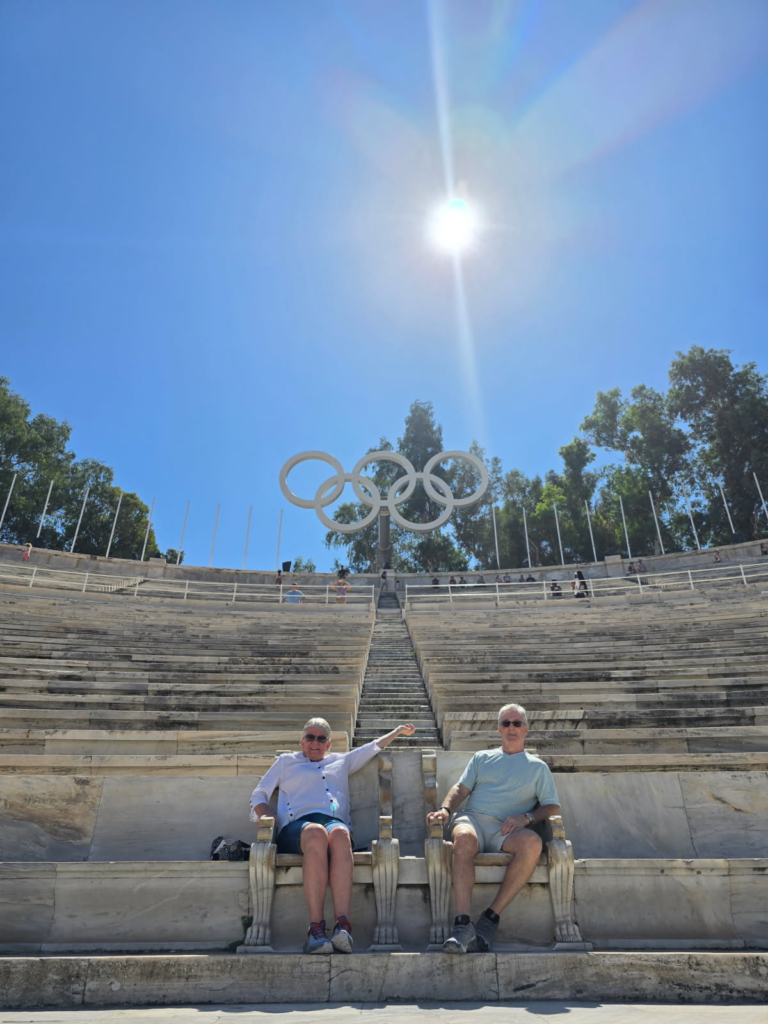
Panathenaic Stadium in Athens
Visiting the Olympic arena in Athens and sitting in the marble seats once reserved for royalty, was a special experience where we physically felt part of history. This site in Athens is the Panathenaic, meaning beautiful marble. This extraordinary venue is the only stadium ever built entirely of marble. This site was originally laid out in the 4th […]
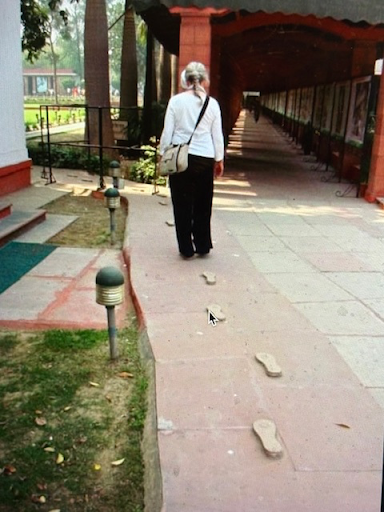
Ghandi Smriti – India
More than a decade ago, on my second trip to India, I visited one of the most memorable places I have ever stood: Gandhi Smriti, the site where Mahatma Gandhi was assassinated. What made this visit so moving were the footprints. Set into the stone pathway, I walked where Gandhi took his final steps on […]
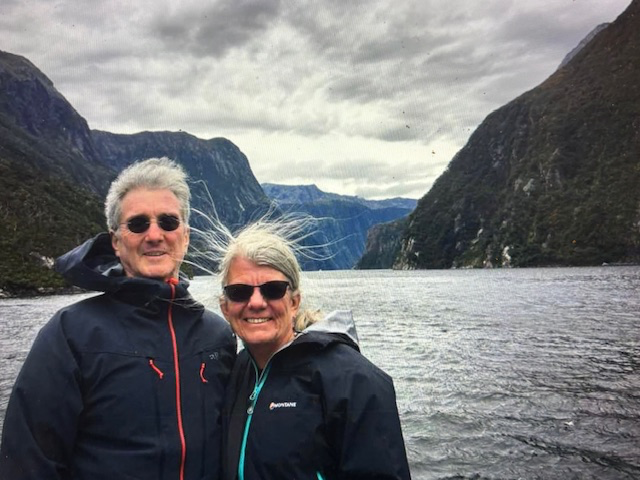
Milford Sound – New Zealand
In 2018, while we were in New Zealand teaching on the North Island, we carved out time to cross to the South Island for a holiday. One destination was Milford Sound, set deep within the UNESCO World Heritage region known as Te Wahipounamu. Reaching it felt like an expedition in itself. The drive carried us through […]

