Craters of the Moon National Monument – Idaho
Another solo driving tour took me through Idaho. There were early mornings on those roads when the light stretched across open land and I found myself wishing someone else could see what I was seeing. Some landscapes feel almost too vast to keep to yourself. I knew there was no way I could fully describe it.
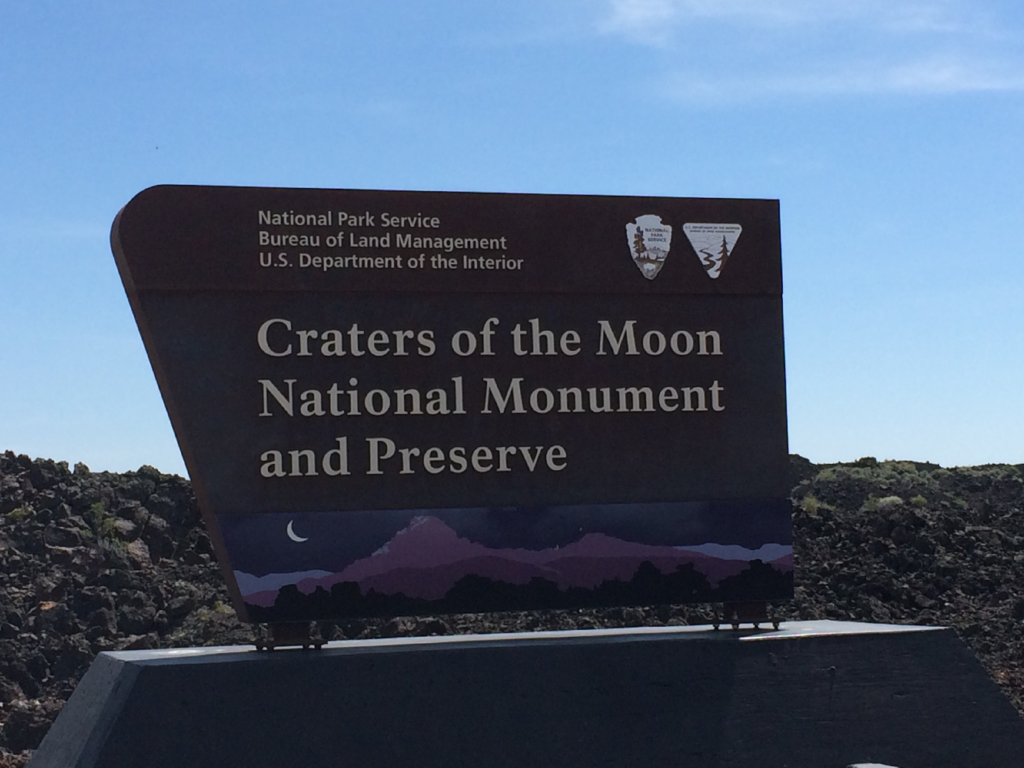
One of those drives led me to Craters of the Moon.
The name alone captures imagination. Early explorers crossing this part of the Snake River Plain described the terrain as barren and jagged. In 1879, a pioneer named Robert Limbert later wrote that the region looked like “a weird and scenic landscape” that resembled the surface of the moon.
Driving into this monument, the landscape shifts from sagebrush plains to black volcanic rock. Lae flows hardened into twisted formations. Cinder cones rise sharply from the ground. Lava tubes lie beneath the surface.
The volcanic field was formed by a series of eruptions over the past 15,000 years, with some flows as recent ast 2,000 years ago. This area is part of a fissure system, cracks in the earth’s crust that allowed lava to spread outward across miles of land.
Craters of the Moon was designated a National Monument in 1924 by President Calvin Coolidge to preserve this unique volcanic landscape. In 2000, the monument was expanded and redesignated as a National Monument and Preserve to further protect a much larger portion of the lava field.
NASA astronauts once trained here in the 1960s because the terrain resembled the surface of the moon. On this solo drive, here was one of those moments I wished I could have shared this landscape with someone else.

Read More From Nancy
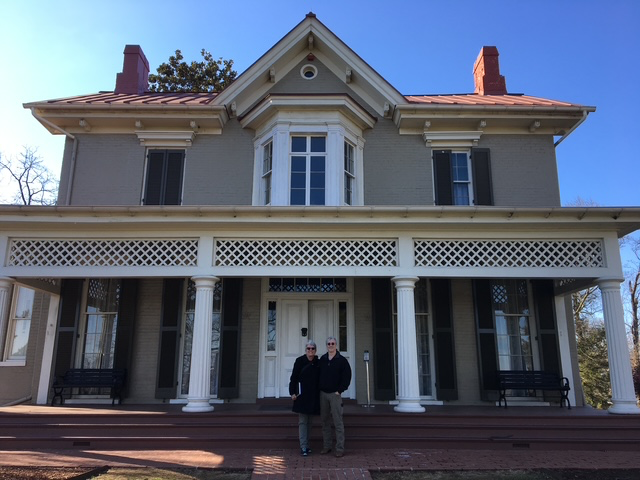
Frederick Douglas National Historic Site – Washington DC
When we travel for business, we always hope to explore something nearby, whether it be the nature of something historic. There is something grounding about stepping outside the seminar room and into the story of a place. We look for something special, something that belongs uniquely to that area. Frederick Douglas’ home was one of those […]
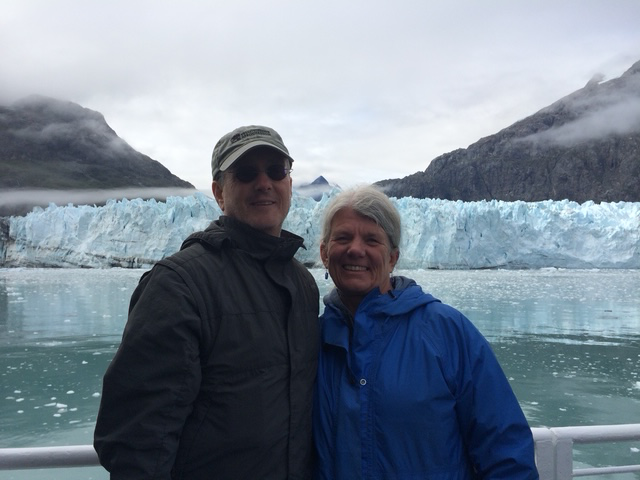
Glacier Bay National Park – Alaska
Alaska is just a massive state, and it was on our second visit that we set our sights on traveling into Glacier Bay National Park. Stories of John Muir traversing the same area inspired us to want to journey where he also traveled, into the waters and fjords he once explored by canoe. It […]
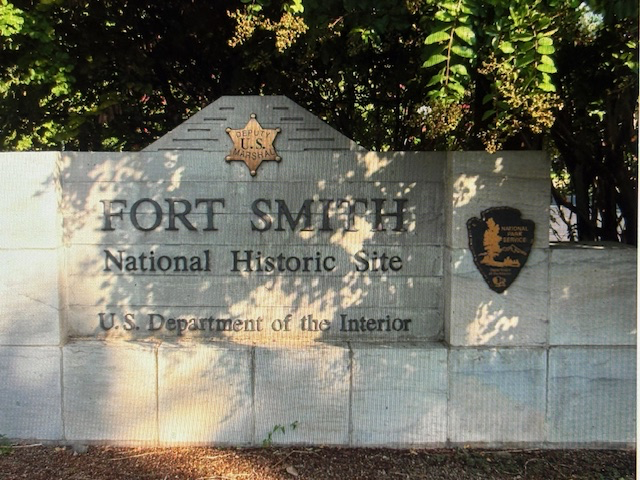
Fort Smith – Arkansas
While traveling around Arkansas, I visited Fort Smith National Historic Site. This fort was established in 1817, as a U.S. military post to project federal presence on a volatile frontier. From the beginning, it served as a gateway to the West, a place where eastern law met western uncertainty. The strategic position of this fort made […]

