Cape Cod National Seashore
Along the outer edge of Cape Cod lies the Cape Cod National Seashore, a place where the land is never quite the same from one visit to the next.
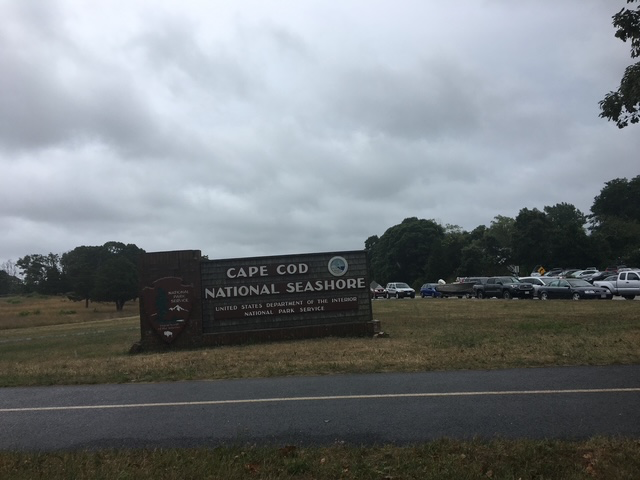
This is a landscape shaped not by permanence, but my movement.
The dunes shift with the wind. The cliffs along the shoreline are steadily worn away by the Atlantic, each storm taking a little more with it. The beaches expand and recede with the tides, and what feels failure one year may look different the next.
One of the stories of this coastline comes from Guglielmo Marconi. In the early 1900s, he chose these cliffs as the site for one of the first transatlantic wireless communication stations. From here, radio signals were sent across the ocean, connecting continents in a way that had never been done before. Yet even this achievement could not withstand the forces of nature and the original station was lost to erosion.
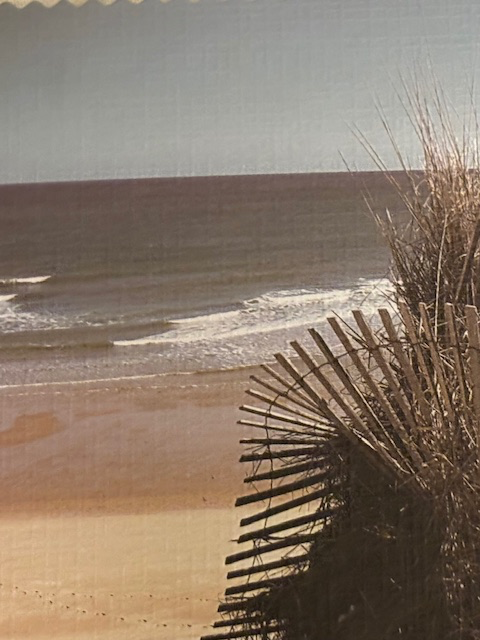
Another voice tied to this landscape is Henry David Thoreau, who walked these shores in the 1800s. He wrote of the Cape as a place of both beauty and unpredictability, where the ocean was not something to be controlled, but something to be respected.
The need to preserve this constantly changing landscape became clear over time. In 1961, it was established as the Cape Cod National Seashore by John Kennedy, ensuring that this stretch of coastline would remain protected from development and preserved for future generations.
Read More From Nancy
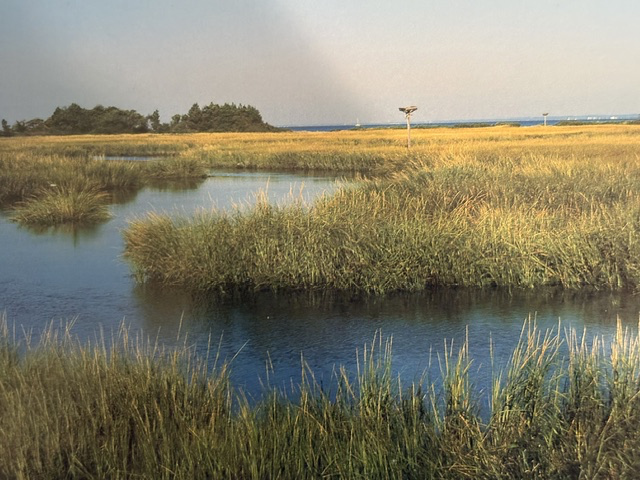
Gateway National Recreation Area
One early morning while we were in New York, I drove out to the New York side of Gateway National Recreation Area. I wanted to walk the trails and spend some time watching the birds at the Jamaica Bay Wildlife Refuge. What struck me was its location. This is not a remote National Park site. […]
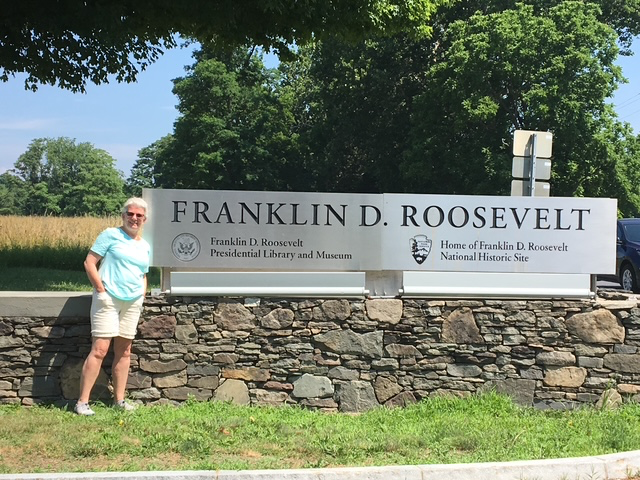
Home of Franklin Roosevelt
I have taken this drive to Hyde Park many times. Over these visits, I have watched the Franklin D. Roosevelt Presidential Library and Museum expand its exhibits, telling not only the story of Roosevelt as a president, but also of the young boy who grew up along the Hudson River. From childhood memorabilia and family history to the immense responsibility of […]
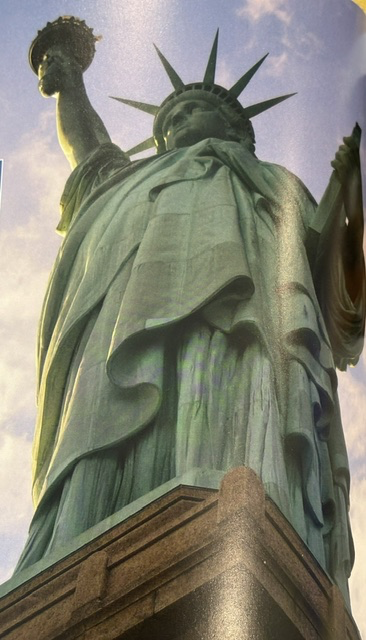
The Statue of Liberty
How many times have I admired the Statue of Liberty? I honestly couldn’t tell you. Like the Lincoln Memorial in Washington, D.C., it is one of those places that continues to draw me back. Nearly every time I visit New York City, I find myself looking for another opportunity to see her. Sometimes it is […]

