Birth Order
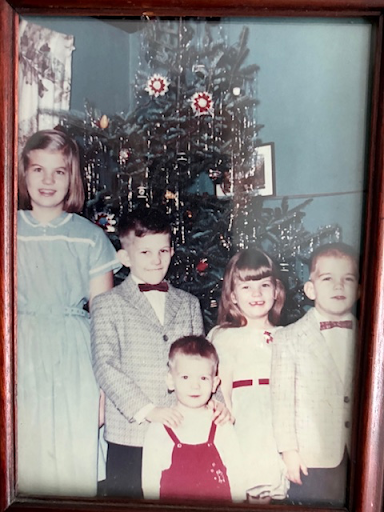
One of the major factors of my childhood was my birth order. I was the middle child, the second daughter in a family of five. With a brother a year older and another a year younger, I found my place squarely in the middle of a busy household.
There was an advantage to being the middle child. I could learn from the siblings who came before me. I watched what worked, what didn’t and how expectations were navigated. I observed how rules were tested and how mistakes become lessons. This vantage point gave me perspective early on, I learned to read the room, to listen and adapt.
As the middle child, my presence may be overlooked. Though at times, I craved the attention of my parents, there were also moments when I was quietly grateful that I didn’t have it. Being unseen could feel lonely, but it also gave me space to observe, to imagine and to grow without constant scrutiny.
My sense of self was not shaped by singular moments but influenced by this middle place in my family. These early lessons stayed with me, quietly influencing how I relate, how I listen and how I move through the world.
The absence of attention became its own teacher. It showed me how to listen deeply and how to read between the lines. Over-time, what once felt like invisibility became a source of strength and shaped a quiet confidence that died not depend on being the center of the room, but on understanding it.